









Planning your next adventure? The Ultimate Travel Guide to Cape Town: Top Attractions, Food & Hidden Gems is your essential roadmap to one of the world’s most breathtaking destinations. Nestled between dramatic mountains and the Atlantic Ocean, Cape Town blends natural beauty, rich culture, and world-class cuisine into an unforgettable experience. Whether you’re chasing panoramic views from Table Mountain, savoring bold flavors at local eateries, or uncovering secret coastal trails, this guide delivers everything you need to explore the Mother City like a seasoned traveler. From must-see landmarks to off-the-beaten-path treasures, we’ve curated the ultimate itinerary for your Cape Town journey.
Top Attractions in Cape Town: Must-Visit Landmarks
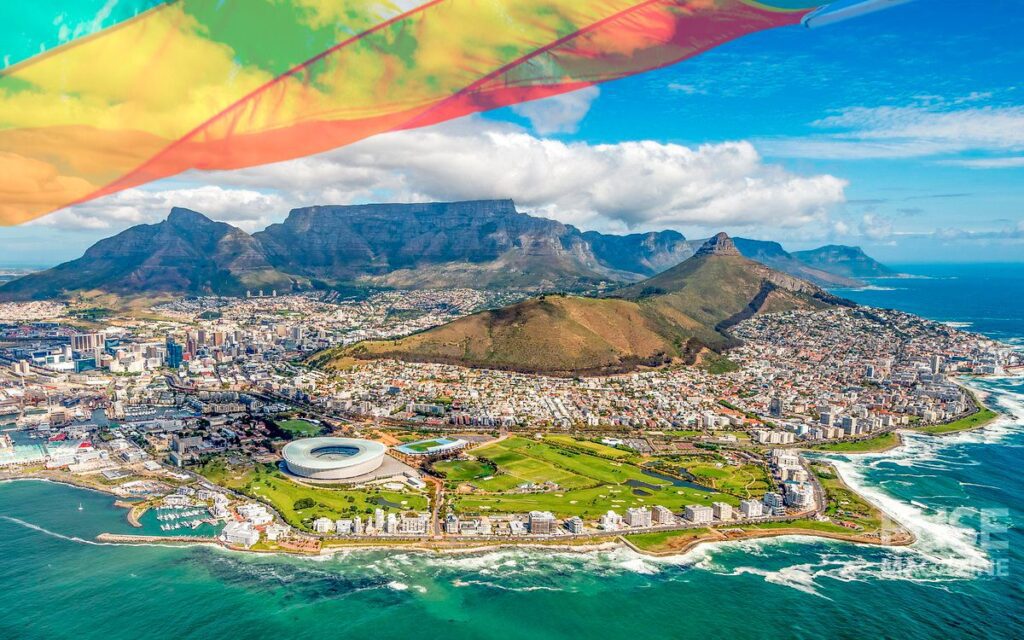
Cape Town is a city where nature and history collide in the most spectacular ways. At the heart of its appeal is Table Mountain, a flat-topped marvel that dominates the skyline and offers 360-degree views of the city, ocean, and surrounding peaks. Whether you hike the winding Platteklip Gorge trail or take the efficient cable car, reaching the summit is a non-negotiable experience. The mountain is part of the Table Mountain National Park, a UNESCO World Heritage Site teeming with fynbos vegetation and diverse wildlife, including the adorable dassie (rock hyrax).
Just a short drive from the city center lies Robben Island, a poignant symbol of South Africa’s journey from apartheid to democracy. This former prison, where Nelson Mandela was held for 18 years, now serves as a museum and powerful reminder of resilience and freedom. Guided tours—led by former political prisoners—offer deeply personal insights into the island’s history. For nature lovers, the Cape of Good Hope in the Cape Peninsula National Park delivers rugged cliffs, wild beaches, and the iconic meeting point of the Atlantic and Indian Oceans. Don’t miss Cape Point’s lighthouse and the chance to spot baboons, ostriches, and even whales during migration season.
Cape Town’s Culinary Scene: A Food Lover’s Paradise
Cape Town’s food culture is as diverse as its population, blending African, Dutch, Malay, and Indian influences into a vibrant culinary mosaic. The city has emerged as a gastronomic hotspot, with world-renowned chefs and innovative restaurants setting the tone. At the forefront is the Bo-Kaap neighborhood, where brightly colored houses line cobbled streets and the aroma of bobotie (a spiced minced meat dish) and koeksisters (syrupy pastries) fills the air. This historic Malay quarter is a must-visit for authentic Cape Malay cuisine, best experienced at family-run eateries like Biesmiellah or the Bo-Kaap Kombuis.
For a modern twist on local flavors, head to the V&A Waterfront, where fine dining meets waterfront views. Restaurants like The Test Kitchen and Gold offer tasting menus that celebrate South African ingredients with global techniques. Seafood lovers will delight in fresh line-caught fish, oysters from nearby Stellenbosch, and the city’s signature snoek (a local fish often smoked or grilled). Don’t leave without trying a biltong platter or pairing your meal with a glass of award-winning South African wine from the nearby Winelands. Whether you’re dining at a Michelin-starred venue or a humble street food stall, Cape Town’s food scene promises a flavor adventure unlike any other.
Best Local Eats and Street Food
- Bunny Chow: A hollowed-out loaf of bread stuffed with curry—originally from Durban but widely loved in Cape Town.
- Braai (Barbecue): A social tradition where meats like boerewors (farmers’ sausage) and lamb chops are grilled over open flames.
- Malva Pudding: A warm, sticky dessert often served with custard or ice cream—perfect after a day of exploring.
- Street Food Markets: Visit the Neighbourgoods Market at The Old Biscuit Mill on Saturdays for gourmet bites, craft beer, and live music.
Hidden Gems: Off-the-Beaten-Path Experiences
While Cape Town’s iconic sights draw millions, its true magic often lies in the lesser-known corners. Tucked away in the southern suburbs is Kirstenbosch National Botanical Garden, a lush sanctuary at the foot of Table Mountain. Unlike typical gardens, Kirstenbosch showcases only indigenous South African flora, including the striking protea and ancient cycads. The summer evening concerts on the lawns are legendary, with music echoing against the mountain backdrop. For a quieter experience, explore the garden’s Tree Canopy Walkway, a sculptural bridge that offers bird’s-eye views of the treetops.
Another hidden gem is Kalk Bay, a charming fishing village on the False Bay coast. With its colorful boats, antique shops, and sea-sprayed promenade, Kalk Bay feels like a step back in time. Grab a fish and chips from the legendary Kalky’s and eat it on the pier while watching fishermen haul in their catch. The nearby St. James Beach, with its iconic tidal pools and historic bathhouses, is perfect for a peaceful swim. Art lovers should visit the Kalk Bay Modern gallery, which showcases contemporary South African artists in a converted church.
For a truly unique experience, venture to Llandudno, a secluded beach nestled between towering granite boulders. Accessible only by a steep path, this unspoiled cove offers privacy, dramatic scenery, and excellent surfing conditions. It’s also one of the few places in Cape Town where you can spot wild dassies sunbathing on the rocks. Nearby, the Chapman’s Peak Drive—a winding coastal road carved into the cliffs—provides some of the most spectacular drives in the world. Stop at the viewpoints for photos, but be prepared for narrow lanes and occasional rockfalls during rainy seasons.
Best Time to Visit and Travel Tips
The ideal time to visit Cape Town is during the Southern Hemisphere’s summer, from November to March, when temperatures range from 20°C to 30°C (68°F to 86°F). This is peak tourist season, with long sunny days perfect for hiking, beach trips, and outdoor dining. However, it’s also the busiest time, so book accommodations and popular tours well in advance. If you prefer fewer crowds and lower prices, consider visiting in April or October, when the weather is still pleasant and the landscapes are lush from winter rains.
Winter (June to August) brings cooler, wetter weather, but it’s an excellent time for whale watching along the coast, especially in Hermanus, just a 90-minute drive from Cape Town. The city also hosts cultural festivals during this time, such as the Cape Town International Jazz Festival. Regardless of when you visit, pack layers—Cape Town’s weather can change rapidly, especially on Table Mountain, where sudden fog or wind can roll in without warning. Always carry a light jacket, sunscreen, and a reusable water bottle to stay hydrated during hikes.
Safety is a common concern for travelers, but Cape Town is generally safe for tourists who take basic precautions. Stick to well-lit, populated areas, especially at night, and avoid displaying valuables. Use reputable taxi services like Uber or Bolt, and always lock your car doors when driving through townships or remote areas. Consider hiring a local guide for township tours—not only do they provide deeper cultural insights, but they also support community-based tourism initiatives. Lastly, respect local customs and the environment: don’t litter, stay on marked trails, and support businesses that prioritize sustainability.
Cape Town Itinerary: 5 Days of Adventure
To make the most of your trip, here’s a balanced 5-day itinerary that covers top attractions, food, and hidden gems. Day 1 starts with a morning hike or cable car ride up Table Mountain, followed by lunch at the vibrant V&A Waterfront. Spend the afternoon exploring the Zeitz MOCAA, the largest contemporary African art museum in the world, then enjoy dinner at a waterfront restaurant. Day 2 is dedicated to the Cape Peninsula: drive along Chapman’s Peak to the Cape of Good Hope, visit Cape Point, and stop at Boulders Beach to see the African penguin colony.
On Day 3, immerse yourself in culture and cuisine. Begin in Bo-Kaap with a walking tour and traditional Malay breakfast, then head to the District Six Museum to learn about the city’s apartheid history. In the afternoon, explore the trendy Woodstock neighborhood, home to street art, design studios, and the Old Biscuit Mill. End the day with dinner at a fusion restaurant like FYN or The Pot Luck Club. Day 4 is for relaxation and nature: visit Kirstenbosch Botanical Gardens, take the canopy walk, and enjoy a picnic. Alternatively, spend the day at Muizenberg Beach, known for its colorful beach huts and beginner-friendly surf breaks.
Day 5 is your chance to discover hidden gems. Start with a sunrise at Llandudno Beach, then drive to Kalk Bay for a seafood lunch and antique shopping. In the afternoon, hike the lesser-known Pipe Track along the Atlantic seaboard for stunning ocean views without the crowds. End your trip with a sunset braai at a local guesthouse or a rooftop bar in the city center. This itinerary balances adventure, culture, and relaxation—ensuring you experience the full spectrum of what Cape Town has to offer.
Key Takeaways
- Table Mountain and Robben Island are unmissable landmarks that define Cape Town’s identity.
- The city’s culinary scene blends African, Malay, and European influences, with must-try dishes like bobotie, bunny chow, and malva pudding.
- Hidden gems like Kirstenbosch, Kalk Bay, and Llandudno offer quieter, more intimate experiences away from the crowds.
- The best time to visit is November to March for warm weather, but shoulder seasons offer fewer tourists and lower prices.
- A 5-day itinerary can comfortably cover major attractions, food, and offbeat spots with a mix of adventure and relaxation.
- Always prioritize safety and sustainability—use trusted transport, support local businesses, and respect the environment.
Conclusion
Cape Town is more than a destination—it’s a sensory journey through mountains, oceans, history, and flavor. This Ultimate Travel Guide to Cape Town: Top Attractions, Food & Hidden Gems equips you with everything needed to explore the city like a local, from iconic landmarks to secret coastal escapes. Whether you’re sipping wine with a view of Table Mountain, tasting curry in Bo-Kaap, or hiking a secluded trail, every moment in Cape Town feels like a discovery. With its perfect blend of adventure, culture, and natural beauty, the Mother City promises an experience that lingers long after you’ve left. Pack your bags, bring your curiosity, and get ready to fall in love with one of the world’s most captivating cities.
FAQs
What is the best way to get around Cape Town?
The most convenient way to explore Cape Town is by renting a car, especially for visiting the Cape Peninsula and Winelands. However, Uber and Bolt are widely available and reliable for city travel. The MyCiTi bus system also serves major routes, including the airport and V&A Waterfront. For scenic drives, Chapman’s Peak and the coastal route to Cape Point are best experienced by car.
Is Cape Town safe for tourists?
Yes, Cape Town is generally safe for tourists who take standard precautions. Avoid walking alone at night in isolated areas, keep valuables out of sight, and use reputable transportation. Stick to well-known neighborhoods like the City Bowl, V&A Waterfront, and Camps Bay. Local guides can enhance safety and provide richer cultural experiences, especially in townships.
What should I pack for a trip to Cape Town?
Pack layers, as weather can change quickly—even in summer. Essentials include comfortable walking shoes, a light jacket, sunscreen, a hat, and a reusable water bottle. If visiting in winter, bring a waterproof coat and warm clothing. Don’t forget a camera, power adapter, and any medications. For hikes, carry a small backpack with snacks and a first-aid kit.