
Dreaming of witnessing one of the world’s most breathtaking natural wonders? When you visit Victoria Falls, you’re not just seeing a waterfall—you’re standing at the edge of a UNESCO World Heritage Site, where the roar of “The Smoke That Thunders” echoes across the Zambezi River. This complete travel experience guide covers everything you need to know: from the best times to go, how to get there, what to do, and where to stay. Whether you’re an adrenaline junkie, a nature lover, or a culture seeker, Victoria Falls offers an unforgettable adventure that blends raw power, stunning scenery, and rich local heritage.
Why Visit Victoria Falls: The Ultimate Natural Wonder
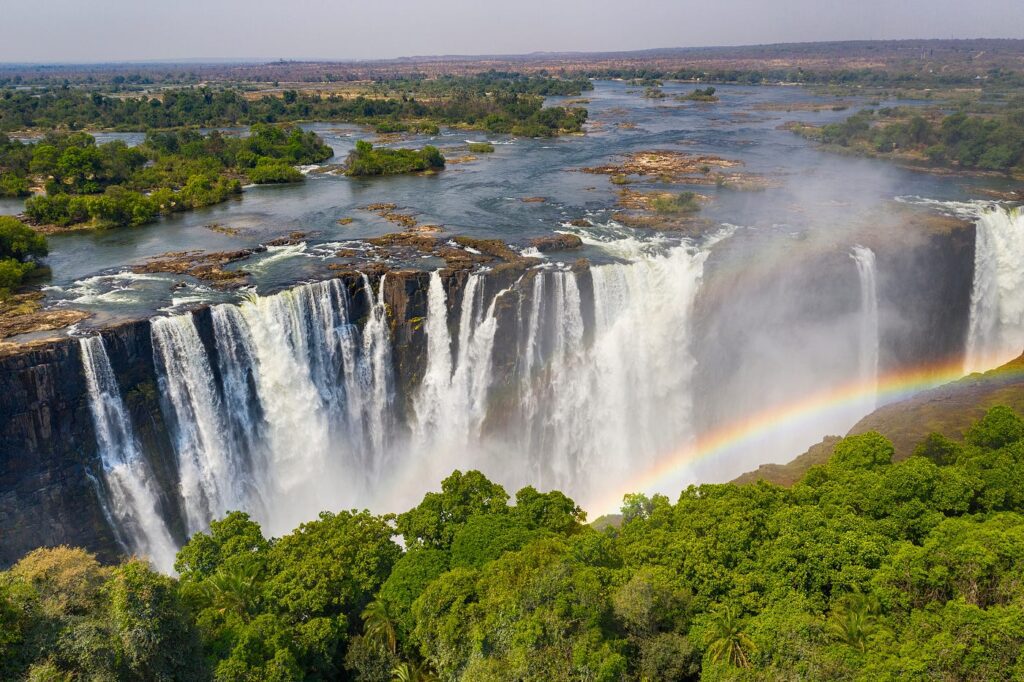
Victoria Falls isn’t just a destination—it’s a sensory explosion. Located on the border between Zambia and Zimbabwe, this colossal waterfall spans nearly 1.7 kilometers wide and drops up to 108 meters into the Batoka Gorge. It’s one of the Seven Natural Wonders of the World and holds the title of the largest sheet of falling water on the planet. The local Tonga people call it Mosi-oa-Tunya, meaning “The Smoke That Thunders,” a name that perfectly captures the mist that rises hundreds of feet into the air and the deep, constant rumble that can be heard from miles away.
What makes visiting Victoria Falls truly unique is its dual-sided access. Travelers can experience the falls from both the Zambian and Zimbabwean sides, each offering distinct perspectives. The Zimbabwe side provides panoramic views and closer access to the main cascade, while the Zambian side allows you to walk right to the edge of the Devil’s Pool during low-water season. This duality means you can tailor your visit based on your interests—whether that’s photography, hiking, or simply soaking in the grandeur. Plus, the surrounding national parks and wildlife reserves add layers of adventure beyond the falls themselves.
Best Time to Visit Victoria Falls: Timing Your Trip for Maximum Impact
Choosing when to visit Victoria Falls can dramatically affect your experience. The waterfall’s flow varies significantly throughout the year due to seasonal rainfall in the Zambezi River basin. The high-water season runs from February to May, when the falls are at their most powerful. During this time, the volume of water is immense—up to 500 million liters per minute—creating a thunderous spectacle and a mist so thick it often rains on visitors standing nearby. This is ideal for those who want to feel the raw force of nature and capture dramatic, mist-shrouded photos.
Conversely, the low-water season, from August to December, offers a different kind of magic. With reduced water flow, the rock faces and gorges become more visible, and adventurous travelers can access Devil’s Pool on the Zambian side—a natural rock pool right at the edge of the falls. This period also offers clearer views for photography and better conditions for activities like white-water rafting and bungee jumping. The shoulder months of June and July strike a balance, with moderate water levels and comfortable weather. Consider your priorities: power and mist, or clarity and adventure.
Weather and Climate Considerations
The climate around Victoria Falls is tropical, with distinct wet and dry seasons. Temperatures range from 20°C to 35°C (68°F to 95°F) year-round, but humidity varies. During the wet season, afternoon thunderstorms are common, which can enhance the falls’ flow but may disrupt outdoor plans. The dry season offers sunny skies and cooler evenings, making it ideal for safaris and outdoor dining. Pack lightweight, breathable clothing, a rain jacket, sturdy shoes, and plenty of sunscreen regardless of when you go.
Peak vs. Off-Peak Travel
- Peak Season (March–May): Highest water flow, lush surroundings, but larger crowds and higher prices.
- Shoulder Season (June–July): Balanced conditions, fewer tourists, and good availability for tours and lodging.
- Low Season (August–December): Best for adventure activities and unique experiences like Devil’s Pool, though some facilities may have reduced hours.
How to Get to Victoria Falls: Transportation and Access
Reaching Victoria Falls is easier than you might think, with multiple international and regional flight options. The closest major airport is Victoria Falls Airport (VFA) in Zimbabwe, which receives direct flights from Johannesburg, Harare, and Livingstone (Zambia). Alternatively, Harry Mwanga Nkumbula International Airport (LVI) in Livingstone, Zambia, serves as a gateway for travelers entering from the northern side. Both airports are well-connected to major African hubs, and shuttle services or private transfers can take you to your accommodation within 15–30 minutes.
For those already in southern Africa, road travel is a scenic and affordable option. The roads from Botswana, South Africa, and Namibia are generally well-maintained, and self-drive tours are popular among adventurous travelers. Cross-border travel between Zambia and Zimbabwe is straightforward at the Kazungula Bridge, though visa requirements vary by nationality. It’s essential to check entry regulations in advance and carry valid passports, visas, and vaccination certificates (especially yellow fever). Many travelers opt for a multi-country itinerary, combining Victoria Falls with safaris in Botswana’s Chobe National Park or Zimbabwe’s Hwange National Park.
Crossing the Border: Zambia vs. Zimbabwe
One of the unique aspects of visiting Victoria Falls is the ability to experience both sides of the waterfall. The border crossing at the Victoria Falls Bridge is efficient and typically takes 30–60 minutes, depending on queues. A single-entry visa allows you to cross once, but a KAZA UniVisa (available at selected entry points) permits multiple entries between Zambia and Zimbabwe for 30 days. This is highly recommended if you plan to explore both countries. Each side offers different viewpoints, activities, and cultural experiences, so consider spending at least one full day on each side to fully appreciate the falls.
Local Transportation Tips
- Taxis and Shuttles: Reliable and widely available; pre-book for airport transfers.
- Rental Cars: Ideal for independent exploration; ensure your license is valid and insurance covers cross-border travel.
- Walking: The town of Victoria Falls (Zimbabwe) and Livingstone (Zambia) are compact and pedestrian-friendly, with most attractions within walking distance.
- Boat Transfers: Available for river cruises and access to certain viewpoints along the Zambezi.
Top Things to Do When You Visit Victoria Falls
Beyond simply gazing at the falls, there’s an abundance of activities that make visiting Victoria Falls a full-spectrum adventure. Start with a guided walking tour of the falls themselves. On the Zimbabwe side, the Rainforest Trail offers well-maintained paths with viewpoints like the Knife-Edge Bridge and the Boiling Pot, where you can peer directly into the gorge. On the Zambian side, the Knife-Edge Bridge provides heart-stopping views over the edge of the falls, especially during low-water months when Devil’s Pool is accessible.
For thrill-seekers, Victoria Falls is an adrenaline playground. Bungee jumping from the 111-meter Victoria Falls Bridge is one of the world’s most iconic jumps, with the Zambezi River rushing below. White-water rafting in the Batoka Gorge offers Class V rapids during high water, while lower flows provide a more technical, exhilarating ride. Microlight flights and helicopter tours deliver bird’s-eye views of the falls, the river, and the surrounding wilderness—perfect for photography and unforgettable memories. Don’t miss a sunset cruise on the Zambezi River, where you can sip champagne while watching elephants, hippos, and crocodiles along the banks.
Cultural and Wildlife Experiences
Immerse yourself in local culture with a visit to a traditional Tonga village, where you can learn about indigenous customs, crafts, and cuisine. Many tours include storytelling, dance performances, and the chance to sample local dishes like sadza (maize porridge) and grilled fish. For wildlife enthusiasts, day trips to Mosi-oa-Tunya National Park (Zambia) and Victoria Falls National Park (Zimbabwe) offer opportunities to spot buffalo, giraffe, zebra, and over 400 bird species. Night game drives and walking safaris provide a more intimate encounter with the region’s fauna.
Family-Friendly and Relaxing Options
- Victoria Falls Bridge Tour: Learn about the engineering marvel and history of this iconic structure.
- Steam Train Rides: A nostalgic journey across the bridge with scenic views and historical commentary.
- Spa and Wellness Retreats: Several lodges offer spa treatments using local ingredients like mopane wood and Zambezi clay.
- Art and Craft Markets: Browse handmade jewelry, wood carvings, and textiles in Livingstone or Victoria Falls town.
Where to Stay: Accommodations for Every Traveler
Whether you’re seeking luxury, adventure, or budget-friendly options, the area around Victoria Falls offers a diverse range of accommodations. On the Zimbabwe side, the town of Victoria Falls features everything from five-star resorts to backpacker hostels. The Victoria Falls Hotel, a colonial-era landmark, offers timeless elegance with views of the falls from its terrace. For a more intimate experience, boutique lodges like The River Club provide riverside serenity and personalized service. Families and groups often prefer self-catering villas or lodges with pools and kid-friendly activities.
On the Zambian side, Livingstone offers a slightly more laid-back vibe with a growing selection of eco-lodges and safari-style camps. Properties like The Royal Livingstone Hotel boast prime riverfront locations and direct access to the falls. Many accommodations on both sides offer inclusive packages that combine lodging with tours, meals, and transfers, simplifying your travel planning. It’s advisable to book well in advance, especially during peak seasons, as demand far exceeds supply. Consider staying on both sides if your itinerary allows—each offers a distinct atmosphere and access to different experiences.
Budget and Mid-Range Options
Travelers on a budget will find excellent value in guesthouses, B&Bs, and hostels. The Jolly Boys Backpackers in Livingstone is a popular choice for solo travelers and backpackers, offering dorms, private rooms, and a lively social scene. In Victoria Falls town, options like Shearwater Explorers Village provide affordable lodging with communal kitchens and organized tours. Mid-range hotels such as The Kingdom Hotel and Avani Victoria Falls Resort balance comfort and cost, with amenities like pools, restaurants, and shuttle services.
Luxury and Unique Stays
- The Stanley & Livingstone Boutique Hotel: Set on a private game reserve with elephant sightings from your room.
- Zambezi Sun (Sun International): A modern resort with golf course, spa, and direct river access.
- Old Drift Lodge: Eco-luxury tents on the Zambezi floodplain, offering immersive wilderness experiences.
- Waterfront Lodges: Properties like Tongabezi and Sindabezi offer private villas and houseboats for exclusive riverfront stays.
Essential Travel Tips for Visiting Victoria Falls
To make the most of your trip, preparation is key. Start by ensuring your passport is valid for at least six months and check visa requirements for both Zambia and Zimbabwe. The KAZA UniVisa is highly recommended for multi-entry travel. Pack light, breathable clothing, a wide-brimmed hat, insect repellent, and a waterproof camera cover. Stay hydrated and apply sunscreen frequently—the equatorial sun is intense, and the mist from the falls can make you forget you’re exposed.
Health and safety are important considerations. While malaria is present in the region, the risk around Victoria Falls town is low. Still, consult your doctor about prophylaxis, especially if visiting nearby rural areas. Drink bottled or filtered water, and be cautious with street food. Crime is generally low, but exercise common sense—avoid walking alone at night and keep valuables secure. Travel insurance that covers medical evacuation, trip cancellations, and adventure activities is strongly advised.
Packing Checklist
- Passport, visas, and travel insurance documents
- Comfortable walking shoes with grip
- Quick-dry clothing and a light rain jacket
- Sunscreen, sunglasses, and a hat
- Insect repellent and basic first-aid kit
- Waterproof phone case or dry bag
- Binoculars for wildlife viewing
- Power adapter (Type D, G, and M sockets common)
Sustainable and Responsible Travel
As a UNESCO site, Victoria Falls benefits from responsible tourism. Support local businesses, respect wildlife by maintaining distance, and avoid single-use plastics. Many lodges and tour operators are committed to conservation and community development—choose those with eco-certifications or community partnerships. When visiting villages or cultural sites, dress modestly and ask before taking photos of people. Your choices can help preserve this natural treasure for future generations.
Key Takeaways
- Victoria Falls is one of the world’s greatest natural wonders, offering unmatched beauty and adventure.
- The best time to visit depends on your goals: high water for power, low water for Devil’s Pool and activities.
- Access is easy via Victoria Falls (Zimbabwe) or Livingstone (Zambia) airports, with cross-border travel options.
- Top experiences include walking tours, bungee jumping, river cruises, and cultural village visits.
- Accommodations range from budget hostels to luxury riverfront lodges on both sides of the falls.
- Prepare with proper visas, health precautions, and sustainable travel practices.
Conclusion
Visiting Victoria Falls is more than a trip—it’s a transformative experience that engages all your senses. From the thunderous roar of the waterfall to the mist on your skin, the vibrant local culture, and the thrill of adventure activities, every moment is unforgettable. Whether you’re standing at the edge of Devil’s Pool, cruising the Zambezi at sunset, or learning about Tonga traditions, Victoria Falls delivers a complete travel experience that stays with you long after you’ve returned home. With careful planning and an open mind, your journey to this natural wonder will be nothing short of extraordinary.
FAQs
What is the best side to visit Victoria Falls from—Zambia or Zimbabwe?
The Zimbabwe side offers closer access to the main falls and panoramic viewpoints, making it ideal for first-time visitors. The Zambian side provides unique experiences like Devil’s Pool and a different perspective of the gorge. For the full experience, consider visiting both sides using the KAZA UniVisa.
Is it safe to visit Victoria Falls?
Yes, Victoria Falls is generally safe for tourists. Both Zimbabwe and Zambia have established tourism infrastructure, and crime rates in the towns are low. However, standard precautions apply—avoid isolated areas at night, keep valuables secure, and use reputable tour operators.
Can you swim in Victoria Falls?
Swimming directly in the main falls is extremely dangerous and prohibited. However, during the low-water season (August–December), guided tours allow swimming in Devil’s Pool on the Zambian side—a natural rock pool right at the edge of the waterfall. This activity is conducted by experienced guides and requires advance booking.