






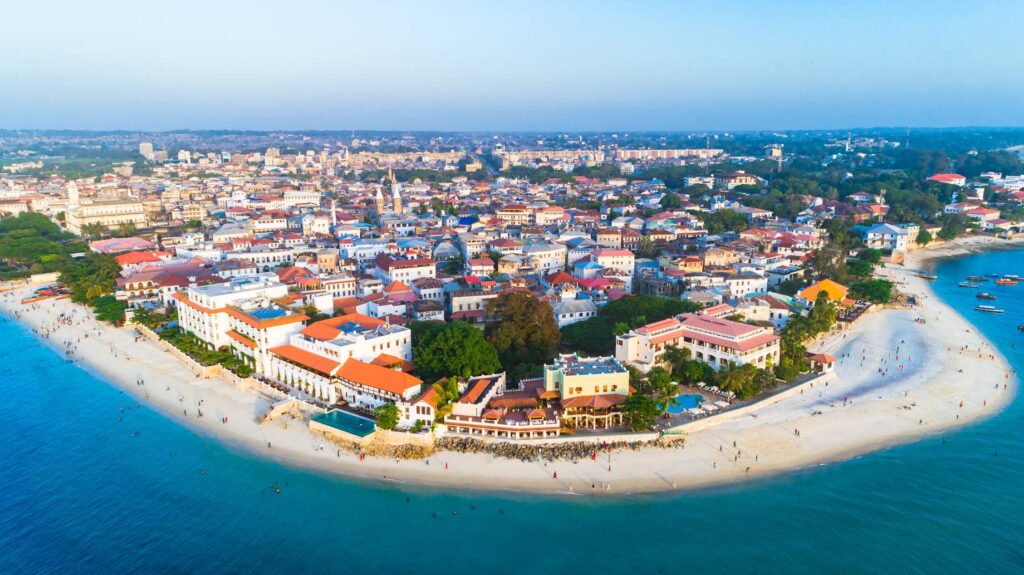
Imagine walking through narrow alleyways where the scent of cloves mingles with the salty breeze from the Indian Ocean. Picture turquoise waters lapping against white-sand shores, centuries-old architecture whispering tales of sultans and traders, and a vibrant culture shaped by African, Arab, Indian, and European influences. Welcome to Zanzibar City—the beating heart of Zanzibar, a UNESCO World Heritage Site and one of East Africa’s most captivating destinations. Whether you’re drawn to pristine beaches, rich history, or immersive cultural experiences, Zanzibar City offers an unforgettable journey through time, tradition, and tropical beauty.
Explore the Historic Heart of Zanzibar City
At the core of Zanzibar City lies Stone Town, a labyrinth of coral stone buildings, intricately carved wooden doors, and winding streets that have remained largely unchanged for over 200 years. This historic district is more than just a tourist attraction—it’s a living museum where daily life unfolds against a backdrop of Swahili, Omani, British, and Indian architectural influences. Walking through its alleys, you’ll pass by the House of Wonders, the Old Fort, and the Sultan’s Palace, each echoing stories of Zanzibar’s role as a major hub in the Indian Ocean trade network.
Stone Town isn’t frozen in time; it pulses with energy. Local artisans sell handcrafted souvenirs, women in colorful kangas chat outside spice shops, and the call to prayer from the 19th-century Old Dispensary Mosque blends with the clatter of bicycles and motorbikes. The city’s layout reflects its multicultural past—narrow streets designed to catch sea breezes, courtyards hidden behind grand facades, and rooftop terraces offering panoramic views of the harbor. Every corner reveals a new layer of history, making it a must-visit for anyone interested in cultural heritage and urban exploration.
Relax on Zanzibar City’s Stunning Beaches
Just a short drive from the bustling streets of Stone Town, Zanzibar City opens up to some of the most beautiful beaches in the world. While the city itself has a modest coastline, its proximity to world-class beach destinations makes it the perfect base for sun-seekers. The northern and eastern shores, particularly around Nungwi and Kendwa, boast powdery white sand, crystal-clear waters, and vibrant coral reefs teeming with marine life. These beaches are ideal for swimming, snorkeling, and diving, with calm lagoons protected by natural reefs.
Even within the city limits, you’ll find serene spots like Forodhani Gardens Beach, where locals gather in the evenings to enjoy grilled seafood and watch the sunset. Though not as secluded as the northern beaches, this urban stretch offers a unique blend of relaxation and local culture. For those seeking tranquility, early morning walks along the shoreline provide peaceful moments before the day’s activities begin. Whether you’re lounging under a palm tree, taking a dhow cruise at dusk, or simply soaking in the coastal atmosphere, Zanzibar City’s beaches deliver both beauty and authenticity.
Immerse Yourself in Zanzibar’s Rich Cultural Heritage
Zanzibar’s culture is a vibrant mosaic woven from centuries of interaction between African, Arab, Persian, Indian, and European civilizations. This fusion is evident in everything from language and cuisine to music and religious practices. Swahili, the local lingua franca, carries Arabic loanwords and rhythms that reflect the island’s deep Islamic roots. The majority of Zanzibaris practice Sunni Islam, and religious traditions shape daily life—from prayer times to festive celebrations like Eid and Maulidi.
Cultural expression thrives in Zanzibar City through art, music, and storytelling. Taarab music, a soulful blend of Arabic, Indian, and African styles, is often performed at weddings and public events. Local artisans craft intricate jewelry, carved doors, and batik textiles, many of which are sold in Stone Town’s bustling markets. The city also hosts annual cultural festivals, such as the Zanzibar International Film Festival, which showcases African and diaspora cinema, music, and dance. These events offer travelers a chance to engage deeply with the community and experience Zanzibar’s living traditions firsthand.
Food is another gateway into Zanzibar’s cultural soul. The island’s cuisine is a delicious testament to its diverse influences. Dishes like biryani, urojo (a tangy potato and bean soup), and mishkaki (grilled meat skewers) reflect Indian and Middle Eastern flavors, while coconut-based curries and fresh seafood highlight local ingredients. Don’t miss a visit to a spice farm, where you can learn how cloves, nutmeg, cinnamon, and vanilla are grown and harvested—Zanzibar is famously known as the “Spice Island.” Tasting these spices in their natural environment adds depth to the culinary experience and connects you to the island’s agricultural heritage.
Discover the Historical Landmarks of Zanzibar City
Zanzibar City is home to some of East Africa’s most significant historical landmarks, each offering a window into the island’s complex past. The House of Wonders (Beit-el-Ajaib), built in 1883, is the largest and most iconic building in Stone Town. Originally constructed as a palace for Sultan Barghash bin Said, it was the first building in Zanzibar to have electric lights and an elevator. Today, it houses the Museum of History and Culture, where exhibits detail Zanzibar’s evolution from a Swahili settlement to a global trading center.
Just a stone’s throw away stands the Old Fort (Ngome Kongwe), built by the Omani Arabs in the late 17th century to defend against Portuguese invasions. Though much of the original structure has been modified, the fort still retains its imposing walls and central courtyard, now used as a cultural space for performances and exhibitions. Nearby, the Anglican Cathedral marks the site of the former slave market, a somber reminder of Zanzibar’s role in the East African slave trade. The cathedral’s altar stands where the whipping post once stood, and a small museum nearby documents this painful chapter with dignity and historical accuracy.
Other notable sites include the Persian Baths, remnants of an ancient water system, and the Malindi Mosque, one of the oldest Islamic places of worship in East Africa. Each landmark tells a story—of power, resistance, faith, and resilience. Exploring these sites isn’t just about sightseeing; it’s about understanding how Zanzibar’s past continues to shape its present. Guided walking tours led by local historians offer deeper insights, helping visitors appreciate the nuances of each location and its significance in the broader narrative of African and Indian Ocean history.
Experience Local Life and Traditions in Zanzibar City
To truly discover Zanzibar City, you must go beyond the tourist trail and engage with the local community. Life here moves at a different rhythm—slower, more intentional, deeply rooted in tradition and hospitality. Start your day with a visit to Darajani Market, the city’s main bazaar, where vendors sell everything from fresh fish and tropical fruits to colorful fabrics and handmade crafts. The market is a sensory overload in the best way: the aroma of frying samosas, the chatter of bargaining customers, and the vibrant colors of spices piled high in woven baskets.
Interacting with locals is one of the most rewarding aspects of visiting Zanzibar City. Many residents are eager to share their stories, whether it’s a fisherman mending nets by the harbor or a grandmother teaching her granddaughter how to weave a kikoi. Homestays and community-based tourism initiatives allow travelers to live like a local, participating in daily activities such as cooking traditional meals, attending Friday prayers, or joining a dhow-building workshop. These experiences foster genuine connections and provide a more authentic understanding of Zanzibari life.
Evening in Zanzibar City has its own charm. As the sun sets, Forodhani Gardens transforms into a lively food court where street vendors serve up delicacies like Zanzibar pizza (a flaky, stuffed pancake), grilled octopus, and sugarcane juice. Locals gather here to socialize, play chess, or simply enjoy the cool sea breeze. It’s a place where cultures converge—tourists and residents alike share benches, laughter, and meals. This communal spirit is at the heart of Zanzibar’s identity, and experiencing it firsthand is what makes a visit to the city so memorable.
Key Takeaways
- Zanzibar City blends stunning beaches, rich history, and vibrant culture into one unforgettable destination.
- Stone Town is a UNESCO World Heritage Site filled with historic landmarks, markets, and architectural wonders.
- The city’s beaches, though modest, offer access to world-class coastal destinations like Nungwi and Kendwa.
- Cultural experiences—from food and music to festivals and homestays—provide deep immersion into local life.
- Historical sites such as the House of Wonders, Old Fort, and Anglican Cathedral reveal Zanzibar’s complex past.
- Engaging with the community through markets, food, and daily activities enhances the travel experience.
FAQs
What is the best time to visit Zanzibar City?
The ideal time to visit Zanzibar City is during the dry seasons, from June to October and December to February. These months offer sunny weather, calm seas, and minimal rainfall, making it perfect for beach activities, sightseeing, and cultural tours. The cooler temperatures during June to October also make exploring Stone Town more comfortable.
Is Zanzibar City safe for tourists?
Yes, Zanzibar City is generally safe for tourists, especially in well-trafficked areas like Stone Town and popular beaches. As with any destination, it’s wise to exercise common sense—avoid walking alone at night in isolated areas, keep valuables secure, and respect local customs, particularly regarding dress and behavior in religious sites.
Do I need a visa to visit Zanzibar City?
Yes, most travelers require a visa to enter Zanzibar, which is part of Tanzania. Visas can be obtained on arrival at Zanzibar Airport or online through the Tanzania e-Visa system. It’s recommended to check the latest entry requirements based on your nationality before traveling.
Conclusion
Discovering Zanzibar City is more than a vacation—it’s an immersion into a world where history, culture, and natural beauty converge. From the sun-drenched shores of its nearby beaches to the storied streets of Stone Town, every moment in this island city offers a new revelation. Whether you’re marveling at centuries-old architecture, savoring aromatic spices, or dancing to the rhythm of Taarab music, Zanzibar City leaves an indelible mark on the soul. It’s a place where the past is alive, the present is vibrant, and the future is shaped by a people proud of their heritage. For travelers seeking depth, authenticity, and adventure, Zanzibar City is not just a destination—it’s a journey of discovery.