




Looking for the ultimate guide to Accra that captures the city’s vibrant beaches, bustling markets, and rich heritage? You’ve found it. Accra, Ghana’s dynamic capital, blends coastal charm with deep cultural roots, offering travelers an authentic West African experience. From golden shorelines and lively open-air bazaars to historic landmarks and colonial-era architecture, this guide covers everything you need to explore Accra like a local. Whether you’re planning a weekend getaway or a longer cultural immersion, this comprehensive resource ensures you won’t miss the city’s most iconic sights, hidden gems, and unforgettable experiences.
Why Accra Should Be on Your Travel Radar
Accra isn’t just Ghana’s political and economic hub—it’s a cultural heartbeat pulsing with rhythm, color, and history. As one of West Africa’s most accessible and welcoming cities, Accra offers a unique blend of modern energy and traditional authenticity. Its coastal location along the Gulf of Guinea gives it a refreshing sea breeze, while its neighborhoods buzz with art, music, and culinary innovation. From the moment you arrive, you’ll feel the city’s warmth—both in climate and in spirit.
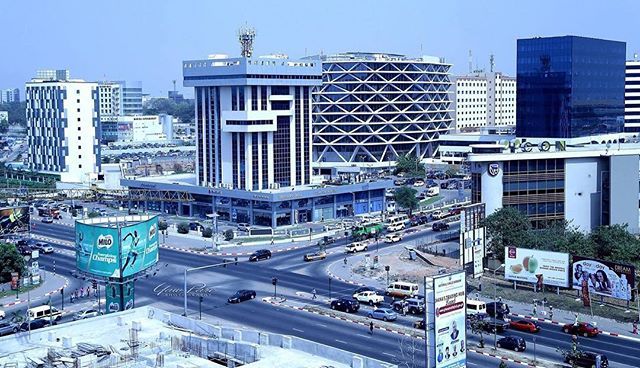
What sets Accra apart is its ability to balance progress with preservation. Skyscrapers rise beside centuries-old forts, and high-end boutiques share streets with vibrant street markets. This duality makes Accra a compelling destination for travelers seeking more than just sightseeing. Whether you’re drawn to its UNESCO-recognized heritage sites, its world-class beaches, or its thriving creative scene, Accra delivers a layered, immersive experience that lingers long after you leave.
Top Beaches in Accra: Sun, Sand, and Serenity
Accra’s coastline is dotted with stunning beaches that cater to every kind of traveler—from sunbathers to surfers, families to solo explorers. Labadi Beach, also known as La Pleasure Beach, is the most popular and easily accessible. Located just 15 minutes from the city center, it’s a lively spot where locals gather for music, dancing, and fresh seafood. The beach features shaded huts, beachfront restaurants, and regular cultural performances, making it ideal for both relaxation and entertainment.
For a more tranquil escape, head to Kokrobite Beach, about 45 minutes west of central Accra. Known for its strong waves, Kokrobite is a favorite among surfers and backpackers. The beach is lined with colorful fishing boats and dotted with beach bars playing highlife and reggae. Don’t miss the chance to visit the nearby Bob Marley Beach Bar or take a surf lesson from local instructors. If you’re visiting on a weekend, you might catch a live drumming circle as the sun sets over the Atlantic.
Hidden Beach Gems Beyond the Mainstream
While Labadi and Kokrobite draw the crowds, several lesser-known beaches offer peace and natural beauty. One such spot is Oda Beach in the Weija area. Though smaller and less developed, it’s a favorite among locals for weekend picnics and quiet swims. The calm waters and shaded palm trees make it perfect for families. Another hidden gem is Gbegbeyise Beach, located near the airport. It’s less frequented by tourists but offers stunning views and a raw, unspoiled atmosphere.
For those willing to venture a bit further, the coastal town of Ada Foah, about two hours east of Accra, is worth the trip. Located at the mouth of the Volta River, Ada Foah boasts a unique landscape where river meets sea. You can take a boat ride along the estuary, enjoy fresh tilapia at a riverfront restaurant, or simply relax on the wide, sandy beach. The area is also home to the annual Asafotufiam Festival, a vibrant celebration of Ada culture with war simulations, drumming, and traditional dance.
Vibrant Markets in Accra: A Shopper’s Paradise
No visit to Accra is complete without exploring its bustling markets, where the city’s energy is most palpable. Makola Market, located in the heart of downtown Accra, is the city’s largest and most iconic open-air market. Established in the 1930s, it’s a chaotic, colorful maze of stalls selling everything from fresh produce and spices to handmade crafts and secondhand clothing. The market is especially famous for its “market queens”—powerful women who dominate trade and keep the economy humming.
While Makola is a must-see, it’s best visited with a local guide or during daylight hours for safety. For a more curated shopping experience, head to the Arts Centre for National Culture. This multi-level complex near the Kwame Nkrumah Mausoleum houses dozens of stalls run by local artisans. Here, you can buy authentic Kente cloth, Adinkra symbols, wood carvings, and bead jewelry directly from the makers. The center also hosts live music and dance performances, adding to its cultural appeal.
Specialty Markets and Night Bazaars
For food lovers, the Agbogbloshie Market offers a sensory overload. Known for its vast selection of fresh fruits, vegetables, and seafood, it’s a paradise for chefs and home cooks alike. You’ll find exotic items like garden eggs, okra, and dried fish, as well as imported goods from across West Africa. Though the market has a reputation for its informal e-waste recycling site nearby, the food section remains vibrant and safe for visitors.
As the sun sets, Accra’s night markets come alive. One standout is the Night Market at Osu, located in the trendy neighborhood of the same name. Open several evenings a week, it features food trucks, pop-up boutiques, and live DJs. You can sample Ghanaian street food like waakye (rice and beans), kelewele (spicy fried plantains), and grilled tilapia while browsing handmade jewelry and vintage clothing. The lively atmosphere makes it a favorite among young locals and expats.
Accra’s Rich Heritage: Forts, Museums, and Cultural Landmarks
Accra’s heritage is deeply rooted in its colonial past and its role in the transatlantic slave trade. The city is home to several historic forts and castles that serve as solemn reminders of this painful history. The most significant is Christiansborg Castle, also known as Osu Castle. Perched on a hill overlooking the Atlantic, it was once the seat of Danish colonial administration and later the presidential residence. Today, it’s a UNESCO World Heritage Site and a powerful symbol of resilience and transformation.
Another must-visit is the Jamestown Lighthouse and Ussher Fort. Located in the historic Jamestown district, Ussher Fort was built by the Portuguese in the 17th century and later used by the Dutch and British. The nearby lighthouse offers panoramic views of the old port and the bustling fishing harbor below. The area is also known for its vibrant street art, particularly the colorful murals along the walls of the James Town Community Library, painted by local and international artists.
Museums and Cultural Institutions
For a deeper understanding of Ghana’s history and culture, visit the National Museum of Ghana. Located near the Independence Square, it houses an extensive collection of artifacts, including Ashanti gold weights, traditional masks, and archaeological finds. The museum also features rotating exhibitions on contemporary Ghanaian art and social issues, making it a dynamic space for learning and reflection.
The W.E.B. Du Bois Memorial Centre is another essential stop for history enthusiasts. Dedicated to the African American scholar and civil rights activist who spent his final years in Ghana, the center includes his former home, now a museum, and a research library. The serene garden and library offer a peaceful retreat and a chance to reflect on Pan-Africanism and global Black identity. Nearby, the Kwame Nkrumah Mausoleum and Memorial Park honors Ghana’s first president and independence leader. The striking modernist architecture and reflective pool create a dignified space for honoring his legacy.
Living Heritage: Festivals and Traditional Practices
Accra’s heritage isn’t confined to museums and monuments—it’s alive in its festivals, music, and daily rituals. One of the most vibrant celebrations is the Homowo Festival, celebrated by the Ga people in August and September. Meaning “hooting at hunger,” the festival commemorates a historic famine and features street processions, drumming, and the sprinkling of “kpokpoi” (a traditional dish made from corn and palm oil). Visitors are welcome to join the festivities, which culminate in a grand durbar at the Teshie Palace.
Traditional practices also thrive in everyday life. You’ll see elders performing libation ceremonies, children learning Adinkra symbols in school, and artisans crafting pottery using centuries-old techniques. The Ga people’s reverence for ancestors and community is evident in their architecture, cuisine, and social structures. By engaging with these living traditions, travelers gain a deeper appreciation for Accra’s cultural continuity and resilience.
Where to Eat and Drink in Accra: A Culinary Journey
Accra’s food scene is as diverse as its people, blending indigenous flavors with influences from Europe, the Caribbean, and beyond. At the heart of Ghanaian cuisine is fufu—a starchy dough made from cassava and plantains, typically served with rich stews like groundnut (peanut) soup or light soup with fish. You’ll find fufu at nearly every local eatery, from roadside stalls to upscale restaurants. For an authentic experience, try it at Buka Restaurant in Osu, known for its traditional dishes and live highlife music.
Street food is another highlight of Accra’s culinary landscape. Jollof rice, a one-pot dish of rice cooked in tomato sauce with spices and meat or fish, is a national favorite. You’ll find it sold from colorful food carts throughout the city. Other must-try street foods include kelewele (spicy fried plantains), suya (grilled skewered meat), and akara (black-eyed pea fritters). For a sweet treat, don’t miss chinchinga (grilled corn on the cob) or ice kenkey, a frozen dessert made from fermented corn.
Modern Dining and Café Culture
While traditional food is central to Accra’s identity, the city’s dining scene is rapidly evolving. Upscale restaurants like Santoku and Monso offer fusion cuisine that blends Ghanaian ingredients with international techniques. Santoku, located in the Airport Residential Area, is known for its sushi with a West African twist—think plantain tempura rolls and tilapia ceviche. Monso, in Osu, serves contemporary dishes in a stylish setting, with a focus on locally sourced produce.
Café culture is also on the rise, particularly in neighborhoods like Osu and Cantonments. Cafés such as Café de Las Palmas and The Coffee Shop offer specialty brews, artisanal pastries, and cozy workspaces. Many double as co-working spaces, attracting digital nomads and young professionals. These spots are perfect for a midday break, a business meeting, or simply people-watching over a cup of Ghanaian-grown coffee.
Getting Around Accra: Transportation Tips
Navigating Accra can be challenging due to traffic congestion and limited public transit, but several options make getting around manageable. The most convenient way to travel short distances is by ride-hailing apps like Bolt and Uber, which are widely available and affordable. These apps offer transparent pricing and GPS tracking, making them safer and more reliable than traditional taxis.
For a more local experience, try tro-tros—shared minivans that follow fixed routes. They’re cheap and efficient but can be crowded and confusing for first-time visitors. Always confirm your destination with the driver before boarding. Motorbike taxis, known as “okadas,” are another option, though they’re less regulated and not recommended for inexperienced riders. Walking is feasible in central areas like Osu and Ridge, but always stay alert and avoid isolated streets at night.
Day Trips and Excursions
Accra is a great base for exploring nearby attractions. A popular day trip is to the Aburi Botanical Gardens, located in the hills about an hour north of the city. The lush gardens feature tropical plants, walking trails, and panoramic views of the surrounding valleys. It’s a peaceful retreat from the city’s hustle and a favorite spot for picnics and photography.
Another worthwhile excursion is to the Shai Hills Resource Reserve, about 60 kilometers east of Accra. This protected area offers hiking trails, wildlife viewing (including baboons and antelopes), and ancient rock formations. Guided tours are available, and the reserve provides a glimpse into Ghana’s natural diversity beyond the urban landscape.
Key Takeaways
- Accra offers a perfect blend of beaches, markets, and heritage sites, making it a top West African destination.
- Top beaches include Labadi Beach for entertainment and Kokrobite for surfing and sunset vibes.
- Markets like Makola and the Arts Centre provide authentic shopping and cultural immersion.
- Historic sites such as Christiansborg Castle and Ussher Fort reveal Accra’s colonial and slave trade history.
- The city’s food scene ranges from street food staples like jollof and kelewele to modern fusion cuisine.
- Transportation is best handled via ride-hailing apps, with tro-tros offering a local alternative.
- Day trips to Aburi Gardens and Shai Hills offer nature and adventure beyond the city.
Conclusion
Accra is more than a capital city—it’s a living tapestry of culture, history, and coastal beauty. Whether you’re lounging on a sun-drenched beach, bargaining for crafts in a bustling market, or reflecting at a historic fort, every moment in Accra tells a story. This ultimate guide to Accra ensures you experience the city’s full spectrum: its golden shores, vibrant bazaars, and deep-rooted heritage. With thoughtful planning and an open mind, your journey through Accra will be as enriching as it is unforgettable. Come for the sights, stay for the soul.
FAQ
What is the best time to visit Accra?
The best time to visit Accra is during the dry season, from November to March. During this period, rainfall is minimal, temperatures are warm but not extreme, and outdoor activities are more enjoyable. The Harmattan winds from December to February may bring dust from the Sahara, so travelers with respiratory sensitivities should take precautions.
Is Accra safe for tourists?
Accra is generally safe for tourists, especially in well-populated areas like Osu, Cantonments, and Labadi. However, like any major city, it’s important to stay aware of your surroundings, avoid walking alone at night, and keep valuables secure. Stick to reputable transportation and avoid displaying large amounts of cash.
Do I need a visa to visit Accra, Ghana?
Most travelers need a visa to enter Ghana, including citizens of the US, UK, Canada, and many EU countries. Visas can be obtained online through the Ghana Immigration Service e-visa portal or on arrival at Kotoka International Airport, though pre-approval is recommended. Check the latest requirements based on your nationality before traveling.