










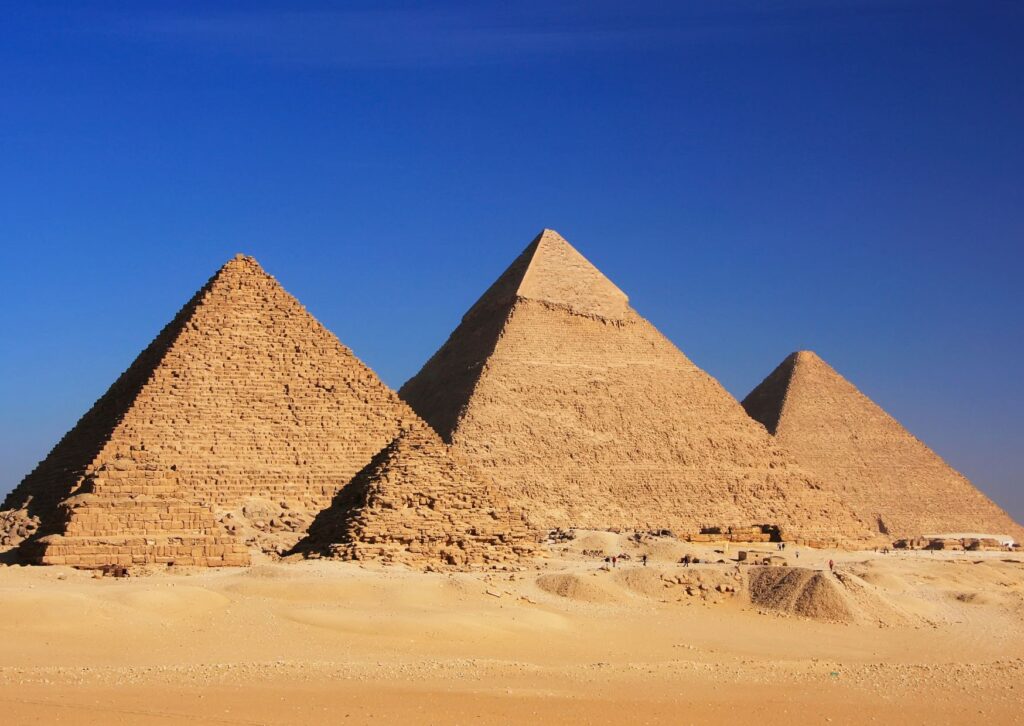
Planning a trip to Egypt? A Cairo travel guide focused on the Pyramids, Nile cruises, and insider local tips is essential for an unforgettable experience. Cairo, the bustling capital of Egypt, is a gateway to ancient wonders and vibrant culture. From the iconic Giza Pyramids to serene Nile River journeys, this city blends history, adventure, and authentic Egyptian life. Whether you’re a first-time visitor or returning for deeper exploration, knowing where to go, what to expect, and how to navigate local customs ensures a smooth and enriching journey. This guide delivers practical advice, must-see attractions, and hidden gems—all tailored to help you make the most of your Cairo adventure.
Why Cairo Should Be Your Next Travel Destination
Cairo is more than just a city—it’s a living museum where ancient history and modern life coexist in dynamic harmony. Home to the world-famous Pyramids of Giza, the Sphinx, and the bustling Khan el-Khalili bazaar, Cairo offers a sensory overload of sights, sounds, and flavors. As the largest city in the Arab world, it serves as the cultural and historical heart of Egypt, drawing millions of tourists each year. The city’s rich heritage, combined with its energetic street life and warm hospitality, makes it a top destination for travelers seeking both adventure and authenticity.
Beyond the monuments, Cairo offers immersive experiences that few other cities can match. From cruising the Nile at sunset to sipping tea in a centuries-old café, every moment feels steeped in tradition. The city’s strategic location also makes it an ideal starting point for exploring Upper Egypt, including Luxor and Aswan. Whether you’re fascinated by archaeology, drawn to vibrant markets, or simply craving a change of pace, Cairo delivers on all fronts. With the right preparation and local insights, your visit can be both comfortable and deeply rewarding.
Exploring the Pyramids of Giza: A Once-in-a-Lifetime Experience
The Pyramids of Giza are the crown jewel of any Cairo itinerary. These ancient marvels, built over 4,500 years ago, stand as a testament to the ingenuity and ambition of the Old Kingdom pharaohs. The Great Pyramid of Khufu, the largest of the three, remains one of the Seven Wonders of the Ancient World and a must-see for every traveler. Standing at the edge of the desert plateau, the pyramids offer a breathtaking view, especially at sunrise or sunset when the golden light enhances their monumental scale.
Visiting the pyramids is more than just a photo opportunity—it’s a journey into the heart of ancient Egyptian civilization. You can explore the interior of the Great Pyramid (for an additional fee), walk through the narrow passageways, and stand in the King’s Chamber. The nearby Solar Boat Museum houses a reconstructed 4,500-year-old wooden vessel believed to carry the pharaoh into the afterlife. Don’t miss the Great Sphinx, a colossal limestone statue with the body of a lion and the head of a pharaoh, guarding the plateau with timeless mystery.
Best Times to Visit the Pyramids
- Early morning (7:00–9:00 AM): Fewer crowds, cooler temperatures, and soft lighting for photography.
- Late afternoon (4:00–6:00 PM): Ideal for sunset views and camel rides across the dunes.
- Avoid midday: Temperatures can exceed 35°C (95°F), making exploration uncomfortable.
Tips for a Smooth Pyramid Visit
- Hire a licensed guide for historical context and to avoid scams.
- Wear comfortable shoes, sunscreen, and a hat—shade is limited.
- Bring water and snacks; on-site vendors are expensive.
- Respect local customs—dress modestly and avoid loud behavior.
Nile Cruises: A Scenic Journey Through Ancient Egypt
A Nile cruise is one of the most iconic ways to experience Egypt’s timeless beauty. Sailing between Luxor and Aswan, these multi-day journeys offer a relaxing pace while showcasing some of the country’s most significant archaeological sites. Most cruises last 3 to 7 nights and include guided tours of temples such as Karnak, Luxor, Edfu, and Kom Ombo. The gentle rhythm of the river, combined with panoramic views of lush riverbanks and desert landscapes, creates a serene and reflective travel experience.
Modern Nile cruise ships range from budget-friendly options to luxury vessels with spa services, fine dining, and sun decks. Many include all meals, onboard entertainment, and expert Egyptologist guides. While the cruise itself is a highlight, the real magic lies in the stops along the way. Imagine stepping off the boat to explore the Temple of Hatshepsut at sunrise or watching local farmers tend to their fields from the deck as the sun sets over the water. It’s a journey that blends relaxation with discovery.
Choosing the Right Nile Cruise
- Duration: 3-night cruises (Luxor–Aswan) are ideal for first-timers; 7-night options offer deeper exploration.
- Class: Luxury ships (e.g., Oberoi, Sanctuary) offer premium amenities; mid-range options provide great value.
- Season: Best from October to April—cooler weather and clearer skies.
- Booking: Reserve in advance, especially during peak seasons (December–February).
What to Expect Onboard
- Comfortable cabins with private bathrooms and river views.
- Daily excursions with expert guides and air-conditioned transport.
- Onboard lectures, traditional Nubian shows, and themed dinners.
- Wi-Fi is available but often limited—embrace the digital detox.
Local Tips for Navigating Cairo Like a Pro
Cairo is a city of contrasts—ancient and modern, chaotic and charming. To truly enjoy your visit, it helps to travel like a local. Start by embracing the rhythm of the city: mornings are cooler and quieter, while evenings come alive with street food, music, and social gatherings. Learning a few Arabic phrases, such as “Salam alaikum” (peace be upon you) and “Shukran” (thank you), goes a long way in building rapport with locals.
Transportation in Cairo can be overwhelming, but with the right approach, it’s manageable. The Cairo Metro is affordable, efficient, and used by millions daily—ideal for avoiding traffic. Ride-hailing apps like Uber and Careem are widely available and safer than unmarked taxis. For short distances, try a tuk-tuk or microbus, but always agree on the fare beforehand. Avoid driving yourself—Cairo traffic is notoriously chaotic, and parking is scarce.
Must-Try Local Foods
- Koshari: A hearty mix of rice, lentils, pasta, and chickpeas, topped with spicy tomato sauce and crispy onions.
- Ful medames: Slow-cooked fava beans, often eaten for breakfast with olive oil, lemon, and bread.
- Mahshi: Vegetables like zucchini or grape leaves stuffed with rice and herbs.
- Basbousa: A sweet semolina cake soaked in syrup, perfect with tea.
- Fresh sugarcane juice: Sold by street vendors—refreshing and energizing.
Cultural Etiquette and Safety Tips
- Dress modestly, especially when visiting religious sites—cover shoulders and knees.
- Women may receive attention in public; wearing a headscarf can reduce unwanted stares.
- Always ask before photographing people, particularly in rural areas.
- Keep valuables secure and avoid displaying expensive items in crowded areas.
- Stay hydrated and carry hand sanitizer—public restrooms may lack supplies.
Hidden Gems and Off-the-Beaten-Path Experiences
While the Pyramids and Nile cruises dominate the spotlight, Cairo holds many lesser-known treasures. One such gem is the Coptic Cairo district, home to ancient churches, including the Hanging Church and the Church of St. Sergius. This area offers a peaceful contrast to the city’s bustling Islamic quarters and provides insight into Egypt’s Christian heritage. Nearby, the Ben Ezra Synagogue is believed to be the site where the infant Moses was found, according to tradition.
For a taste of local life, visit Al-Azhar Park, a beautifully landscaped green space built on a former garbage dump. It’s a favorite among Cairenes for picnics, jogging, and panoramic views of the city skyline. The adjacent Darb al-Ahmar district features restored Islamic architecture, artisan workshops, and the Al-Muizz Street walking route—one of the oldest streets in Cairo, lined with medieval mosques and caravanserais.
Art lovers should explore the Townhouse Gallery or the Zamalek Art District, where contemporary Egyptian artists showcase their work. For a unique experience, take a felucca ride at sunset from the Corniche in downtown Cairo. These traditional wooden sailboats offer a quiet escape from the city’s noise and a chance to see landmarks like the Cairo Tower and the Nile Corniche from the water.
Day Trips from Cairo
- Saqqara and Dahshur: Explore the Step Pyramid of Djoser and the Bent Pyramid—less crowded than Giza.
- Memphis: The ancient capital of Egypt, with ruins and a massive alabaster sphinx.
- Wadi El Rayan: A protected desert area with waterfalls and sandboarding opportunities.
- Al-Ain Al-Sokhna: A Red Sea resort town perfect for a beach day trip.
Planning Your Cairo Itinerary: Practical Advice
To make the most of your Cairo travel guide, plan a balanced itinerary that mixes iconic sights with local experiences. A typical 5-day trip might include two days in Cairo (Pyramids, Egyptian Museum, Khan el-Khalili), two days on a Nile cruise (Luxor and Aswan), and one day exploring nearby sites like Saqqara or Memphis. If time allows, extend your stay to include a Red Sea resort like Hurghada or Sharm El Sheikh for diving and relaxation.
Accommodation options in Cairo range from luxury hotels like the Four Seasons and Sofitel Cairo Nile El Gezirah to boutique guesthouses in Islamic Cairo and budget hostels in downtown. Staying near Tahrir Square or Zamalek offers easy access to major attractions and public transport. Book accommodations with air conditioning, as summer temperatures can be extreme.
When it comes to budgeting, Egypt is generally affordable for Western travelers. A mid-range traveler can expect to spend $50–$80 per day, including meals, transport, and entry fees. Entry to the Pyramids costs around $12, while a 3-night Nile cruise ranges from $300 to $1,000 depending on class. Always carry small bills in Egyptian pounds for tips, taxis, and market purchases.
Essential Travel Tips
- Check visa requirements—many nationalities can obtain an e-visa online.
- Drink bottled water to avoid stomach issues.
- Download offline maps and translation apps before arriving.
- Pack light, breathable clothing and a scarf for mosque visits.
- Stay connected with an eSIM or local SIM card from Vodafone or Etisalat.
Key Takeaways
- Cairo is a must-visit destination for history lovers, offering unparalleled access to ancient wonders like the Pyramids of Giza and the Sphinx.
- A Nile cruise provides a scenic and relaxing way to explore Egypt’s temple-rich southern regions, with guided tours and onboard comfort.
- Local tips—such as dressing modestly, using ride-hailing apps, and trying street food—enhance safety and cultural immersion.
- Hidden gems like Coptic Cairo, Al-Azhar Park, and felucca rides offer unique experiences beyond the typical tourist trail.
- Planning ahead with a balanced itinerary, proper budgeting, and essential travel prep ensures a smooth and memorable trip.
Conclusion
A well-planned Cairo travel guide centered on the Pyramids, Nile cruises, and local insights transforms a simple vacation into a profound cultural journey. From standing in awe before the Great Pyramid to gliding down the Nile at dusk, every moment in Cairo feels steeped in history and wonder. By combining iconic sights with authentic local experiences, you’ll gain a deeper appreciation for Egypt’s past and present. With practical tips, cultural awareness, and a spirit of adventure, your trip to Cairo will be as enriching as it is unforgettable.
FAQs
What is the best time of year to visit Cairo?
The ideal time to visit Cairo is during the cooler months from October to April. During this period, temperatures are pleasant, and outdoor activities like pyramid tours and Nile cruises are more comfortable. Summer (June–August) can be extremely hot, with temperatures often exceeding 40°C (104°F), making sightseeing challenging.
Is it safe to travel to Cairo as a tourist?
Yes, Cairo is generally safe for tourists, especially in popular areas like Giza, Zamalek, and Islamic Cairo. Like any major city, it’s important to stay aware of your surroundings, avoid poorly lit areas at night, and keep valuables secure. Following local advice and using reputable guides enhances safety and enriches your experience.
Do I need a visa to visit Egypt?
Most travelers need a visa to enter Egypt. Many nationalities can obtain an e-visa online before travel or purchase a visa on arrival at major airports. Check the latest requirements based on your passport country. The visa typically costs $25 and is valid for 30 days.