

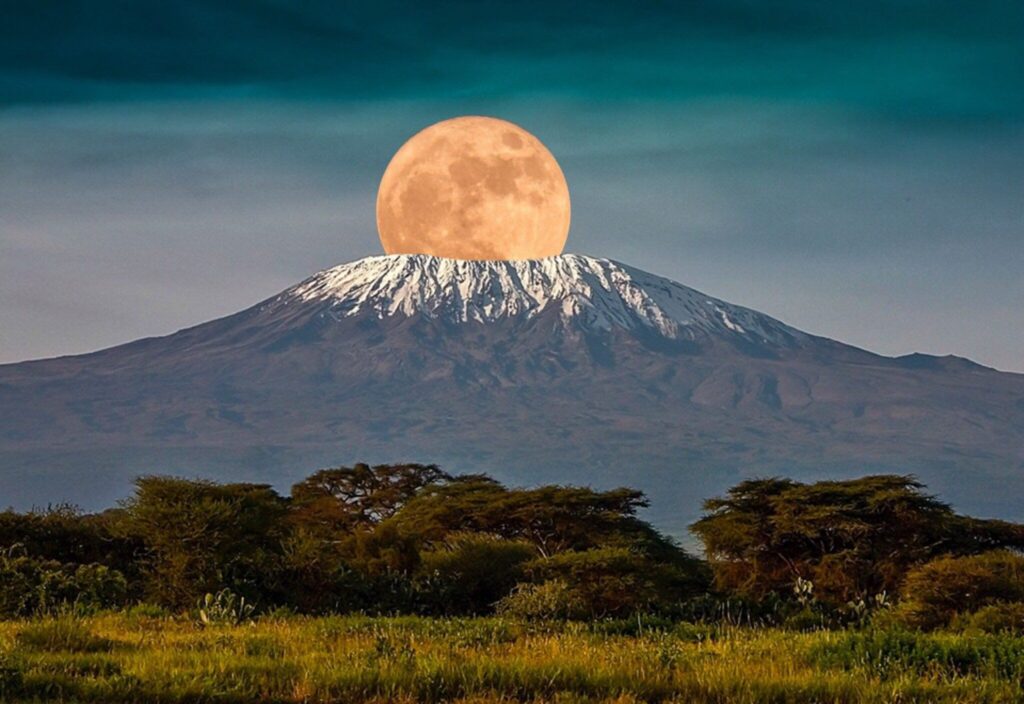
Dreaming of standing atop Africa’s highest peak? Climbing Mount Kilimanjaro is a bucket-list adventure that draws thousands of trekkers each year. Rising 5,895 meters (19,341 feet) above the Tanzanian plains, this iconic stratovolcano offers a once-in-a-lifetime experience without requiring technical mountaineering skills. Whether you’re an experienced hiker or a determined beginner, a well-planned Mount Kilimanjaro travel guide can make your summit dream a reality. From choosing the right route to preparing for altitude, this comprehensive guide covers everything you need to conquer Uhuru Peak safely and successfully.
Why Climb Mount Kilimanjaro? The Allure of Africa’s Rooftop
Mount Kilimanjaro isn’t just Africa’s highest mountain—it’s a symbol of natural grandeur and human endurance. Unlike other peaks of similar height, Kilimanjaro requires no ice axes, ropes, or technical climbing gear. This accessibility makes it one of the most popular high-altitude treks in the world. Climbers are rewarded with breathtaking views, diverse ecosystems, and the profound sense of accomplishment that comes from reaching the “Roof of Africa.” The mountain’s unique geography allows trekkers to pass through five distinct climate zones, from lush rainforest to arctic summit, all within a single week.
Beyond the physical challenge, climbing Kilimanjaro is a cultural and spiritual journey. The mountain holds deep significance for the local Chagga people and stands as a beacon of adventure tourism in Tanzania. Every year, climbers from over 100 countries attempt the ascent, creating a vibrant, international community on the slopes. Whether you’re drawn by the promise of sunrise over the Serengeti or the thrill of high-altitude trekking, Kilimanjaro delivers an unmatched experience. With proper preparation and respect for the mountain, your journey can be both safe and transformative.
Best Routes for Climbing Mount Kilimanjaro
Choosing the right route is one of the most critical decisions in your Mount Kilimanjaro travel guide. There are seven official trekking routes, each offering unique scenery, difficulty levels, and success rates. The Machame Route, often called the “Whiskey Route,” is the most popular due to its scenic diversity and high summit success rate. It takes six to seven days and features steep ascents, lush forests, and stunning views of the Western Breach. The Lemosho Route, slightly longer and less crowded, is another favorite among experienced trekkers seeking a more gradual acclimatization profile.
For those prioritizing acclimatization, the Northern Circuit is the longest route at nine days and offers the highest success rate—over 90%. It circles the northern slopes, providing unparalleled views and minimal crowding. The Marangu Route, known as the “Coca-Cola Route,” is the only one with hut accommodations, making it popular among budget travelers, though it has a lower success rate due to its shorter duration. The Rongai Route approaches from the north and is ideal for those seeking a quieter, more remote experience. Each route has its strengths, so matching your fitness level, budget, and timeline is essential.
Machame Route: The Scenic Favorite
The Machame Route is widely regarded as the most beautiful path to the summit. Over six to seven days, climbers traverse rainforests, alpine meadows, and glacial valleys. The route’s popularity stems from its balance of challenge and reward, with well-maintained trails and excellent acclimatization opportunities. Day three’s climb to Barranco Camp is particularly scenic, offering panoramic views of the surrounding plains. However, its popularity means it can be crowded during peak seasons, so booking early is advised.
One of Machame’s key advantages is its “climb high, sleep low” profile, which helps the body adjust to altitude. The route includes a night at Karanga Camp, positioned strategically for acclimatization before the final push to Barafu Camp and the summit. While physically demanding, Machame’s varied landscapes and high success rate make it a top choice for first-time climbers and seasoned trekkers alike. Guided tours typically include meals, porters, and experienced guides who enhance safety and morale.
Lemosho Route: A Gradual Ascent
The Lemosho Route is a newer, more remote path that begins on the western side of the mountain. Spanning seven to eight days, it offers a gentler gradient and excellent acclimatization, contributing to its growing popularity. The first two days pass through pristine rainforest, teeming with birdlife and monkeys, before opening into moorland and heather zones. Its remote start means fewer crowds, allowing for a more immersive wilderness experience.
Lemosho’s extended duration allows climbers to adapt gradually to altitude, reducing the risk of acute mountain sickness (AMS). The route merges with Machame at Barranco Camp, sharing the final ascent to the summit. Many climbers praise Lemosho for its scenic diversity and sense of solitude. While slightly more expensive due to longer duration and logistics, the added acclimatization time often results in higher summit success rates. It’s an excellent choice for those seeking a balance of beauty, challenge, and safety.
When to Climb Mount Kilimanjaro: Best Times and Weather Conditions
Timing your climb is crucial for a successful and enjoyable Mount Kilimanjaro experience. The best times to climb are during the dry seasons: January to mid-March and June to October. These periods offer stable weather, clearer skies, and lower chances of rain or snow on the trails. January to March is particularly ideal because the mountain is less crowded, and the temperatures are mild. The summit can still be cold, but the risk of storms is minimal, making for safer and more predictable conditions.
June to October is the peak climbing season, coinciding with summer in the Northern Hemisphere. While this period attracts the most climbers, it also offers the most reliable weather and longer daylight hours. However, popular routes like Machame and Marangu can become congested, so early booking is essential. Avoid the rainy seasons—April, May, and November—when trails become muddy, visibility drops, and the risk of landslides increases. Even during dry months, weather on Kilimanjaro can change rapidly, so climbers must be prepared for cold nights and sudden temperature shifts.
Weather by Altitude Zone
Kilimanjaro’s climate varies dramatically with elevation. The base lies in a tropical zone with warm, humid conditions, while the summit experiences sub-zero temperatures and strong winds. The rainforest zone (800–1,800m) is lush and rainy, with frequent downpours and high humidity. As you ascend into the moorland (2,800–4,000m), temperatures drop, and vegetation becomes sparse. The alpine desert (4,000–5,000m) is dry and barren, with intense sun during the day and freezing nights.
Above 5,000 meters, the arctic zone begins, where snow and ice persist year-round. Summit night temperatures can plunge to -20°C (-4°F), and wind chill can make it feel even colder. Despite the cold, the air is thin, and UV radiation is intense, so sun protection and layered clothing are vital. Understanding these zones helps climbers prepare appropriate gear and mentally adjust to the changing environment. Weather forecasts are limited at high altitudes, so flexibility and preparedness are key.
Peak Season vs. Shoulder Months
Climbing during peak season (June–October) ensures the best weather but also the largest crowds. If you prefer solitude, consider shoulder months like late May or early November, when conditions are still favorable but fewer people are on the mountain. January to March offers a sweet spot: dry weather, fewer climbers, and stable temperatures. However, some routes may have limited availability during these months due to high demand from international travelers.
Regardless of when you climb, always check with your tour operator for up-to-date conditions and route availability. Weather patterns can shift, and park authorities may close routes due to safety concerns. Booking with a reputable guide service ensures access to real-time updates and emergency support. Planning ahead not only improves your chances of success but also enhances the overall experience by aligning your climb with optimal conditions.
Preparing for Your Kilimanjaro Climb: Training and Gear Essentials
Success on Kilimanjaro depends as much on preparation as on physical fitness. While no technical skills are required, the trek is physically demanding, involving long days of hiking at high altitude. A solid training regimen should begin at least three to six months in advance. Focus on cardiovascular endurance through activities like hiking, running, cycling, and stair climbing. Aim for at least 30–60 minutes of aerobic exercise four to five times per week, gradually increasing intensity and duration.
Strength training is equally important, particularly for legs, core, and back. Exercises like squats, lunges, and planks build the muscle needed for steep ascents and descents. Practice hiking with a loaded backpack to simulate trail conditions. If possible, train at higher elevations or use a stair climber to mimic altitude stress. Mental preparation is also key—climbing Kilimanjaro is as much a psychological challenge as a physical one. Building resilience and confidence through consistent training will pay off on the mountain.
Essential Gear for Climbing Kilimanjaro
Packing the right gear is critical for comfort, safety, and summit success. Start with a high-quality, broken-in hiking backpack (50–70 liters) with a rain cover. Layered clothing is essential: moisture-wicking base layers, insulating mid-layers (fleece or down), and a waterproof outer shell. A four-season sleeping bag rated to -10°C (14°F) or lower is mandatory for cold nights at high camps.
Footwear should include sturdy, waterproof hiking boots with ankle support and thick wool or synthetic socks. Gaiters, trekking poles, and a warm hat are highly recommended. Don’t forget a headlamp with extra batteries, sunglasses with UV protection, and a wide-brimmed hat. Personal items like a water purification system, first-aid kit, and high-energy snacks are also vital. Most tour operators provide tents and cooking equipment, but always confirm what’s included before departure.
Altitude Sickness: Prevention and Management
Altitude sickness, or acute mountain sickness (AMS), is the most common challenge on Kilimanjaro. Symptoms include headache, nausea, dizziness, and fatigue. The best prevention is gradual ascent and proper acclimatization. Choose longer routes like Lemosho or Northern Circuit, which allow more time for your body to adjust. Stay hydrated, avoid alcohol, and eat high-carbohydrate meals to support energy and oxygen use.
If symptoms develop, stop ascending and rest. Mild AMS often resolves with hydration and rest. Severe cases may require descent and medical attention. Medications like acetazolamide (Diamox) can help prevent AMS but should only be used under medical supervision. Always climb with a certified guide who can monitor your condition and make safety decisions. Ignoring symptoms can lead to life-threatening conditions like high-altitude pulmonary edema (HAPE) or cerebral edema (HACE).
What to Expect on Summit Night: The Final Push to Uhuru Peak
Summit night is the most challenging and rewarding part of the climb. Most teams begin the final ascent around midnight, using headlamps to navigate the steep, rocky terrain. The goal is to reach Uhuru Peak—the true summit—by sunrise, when the views over the African plains are at their most spectacular. The climb typically takes 6–8 hours, depending on pace and conditions. Temperatures are extremely cold, and the air is thin, making every step a test of endurance.
The final section, known as the “Barranco Wall” or “Breach,” involves scrambling over rocks and navigating narrow paths. While not technically difficult, the altitude and fatigue make it mentally taxing. Guides play a crucial role, offering encouragement and ensuring safety. Many climbers experience moments of doubt, but the camaraderie of the group and the promise of the summit keep them moving. Reaching the top is an emotional milestone, often marked by tears, cheers, and group photos at the iconic sign.
Post-Summit Descent: The Real Challenge
Many climbers underestimate the difficulty of the descent, which can be harder on the body than the ascent. Fatigue, dehydration, and sore muscles make the downhill trek demanding. The journey from the summit to Mweka Camp typically takes 4–6 hours, with steep, loose gravel sections that require careful footing. Proper trekking poles and knee protection are essential to reduce impact and prevent injury.
Despite the physical toll, the descent is also a time of celebration. Climbers often reflect on their achievement, share stories with fellow trekkers, and enjoy the changing landscapes as they return to lower elevations. Most groups arrive at camp exhausted but elated, ready to celebrate with a hot meal and well-deserved rest. The sense of accomplishment is profound—standing on Africa’s highest point is a life-changing experience that stays with you long after the climb.
Celebrating Your Achievement
Upon returning to Moshi or Arusha, most climbers receive a certificate of completion and celebrate with a group dinner or safari extension. Many tour operators offer optional add-ons like visits to local villages, coffee farms, or national parks. The post-climb period is also a time to recover—rest, hydrate, and reflect on the journey. Sharing your story with friends and family helps solidify the memory and inspire others to take on their own adventures.
Climbing Kilimanjaro is more than a physical feat—it’s a journey of self-discovery, resilience, and connection to nature. Whether you’re drawn by the challenge, the scenery, or the cultural experience, the mountain leaves a lasting impression. With proper planning, respect for the environment, and a spirit of adventure, your Mount Kilimanjaro travel guide can lead to one of the most rewarding experiences of your life.
Key Takeaways
- Mount Kilimanjaro is Africa’s highest peak at 5,895 meters and is accessible to non-climbers with proper preparation.
- The best routes include Machame, Lemosho, and Northern Circuit, each offering unique scenery and acclimatization benefits.
- Climb during dry seasons (January–March and June–October) for optimal weather and safety.
- Train for endurance and strength, and pack essential gear including layered clothing, a four-season sleeping bag, and trekking poles.
- Prevent altitude sickness through gradual ascent, hydration, and medical support.
- Summit night is challenging but rewarding, with sunrise views from Uhuru Peak.
- Celebrate your achievement and consider extending your trip with a safari or cultural tour.
FAQs
How difficult is it to climb Mount Kilimanjaro?
Climbing Kilimanjaro is physically demanding but does not require technical climbing skills. Success depends on fitness, acclimatization, and mental resilience. Most people with moderate fitness can complete the trek with proper preparation.
Do I need a guide to climb Kilimanjaro?
Yes, all climbers must be accompanied by a certified guide and registered with the Kilimanjaro National Park. Independent climbing is not permitted for safety and conservation reasons.
What is the success rate for summiting Kilimanjaro?
Success rates vary by route and duration. Longer routes like Lemosho and Northern Circuit have success rates above 85%, while shorter routes like Marangu are around 60–70%. Proper acclimatization is the biggest factor in success.