

Planning your next adventure? The best travel guide to South Africa: cities, safaris & coastlines offers everything you need to explore this diverse and breathtaking destination. From vibrant urban hubs like Cape Town and Johannesburg to world-famous wildlife reserves such as Kruger National Park and the stunning Garden Route coastline, South Africa delivers an unmatched blend of culture, nature, and adventure. Whether you’re chasing the Big Five, sipping wine in Stellenbosch, or hiking Table Mountain, this guide ensures you experience the country’s highlights with confidence and ease.
Top Cities to Explore in South Africa
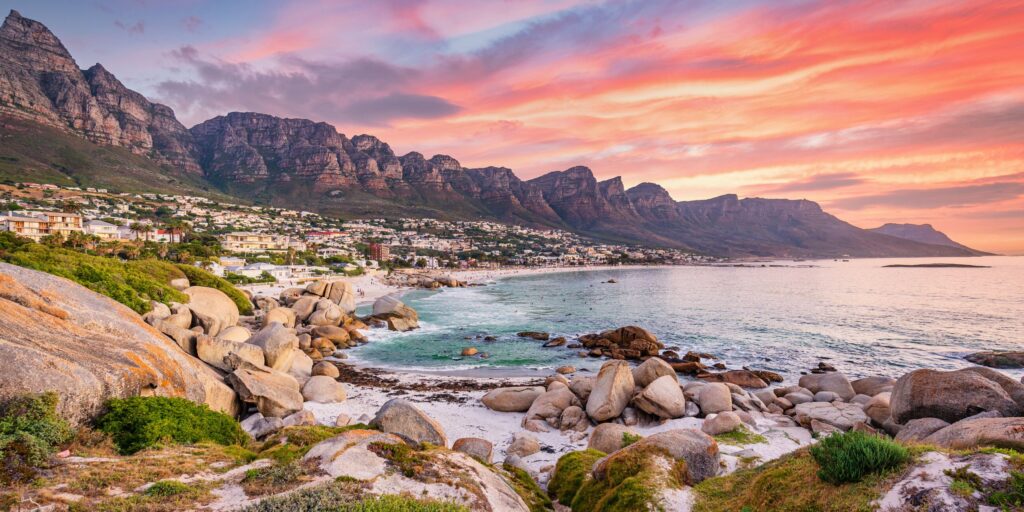
South Africa’s cities are dynamic cultural melting pots, each offering a unique blend of history, cuisine, and modern energy. Cape Town, nestled beneath the iconic Table Mountain, is a must-visit. Its cosmopolitan vibe, world-class restaurants, and proximity to beaches like Camps Bay make it a favorite among travelers. The V&A Waterfront buzzes with activity, while the historic Robben Island—where Nelson Mandela was imprisoned—offers a powerful glimpse into the nation’s past.
Johannesburg, the economic heart of South Africa, pulses with creativity and resilience. Known as Joburg or Jozi, it’s home to the Apartheid Museum, vibrant street art in Maboneng, and bustling markets like Neighbourgoods. Don’t miss Soweto, a township rich in history and culture, where you can tour Vilakazi Street, the only place in the world where two Nobel Peace Prize winners—Mandela and Desmond Tutu—once lived. Both cities provide excellent infrastructure, making them ideal starting points for any South African journey.
Hidden Gems in South Africa’s Urban Landscape
Beyond the major metros, smaller cities offer equally compelling experiences. Durban, on the east coast, boasts a warm Indian Ocean climate and a strong Indian cultural influence. The Golden Mile beachfront is perfect for surfing and strolling, while the Victoria Street Market tempts with spices, textiles, and curries. For a more relaxed pace, consider Port Elizabeth, a gateway to the Garden Route with pristine beaches and family-friendly attractions.
Bloemfontein, the judicial capital, may not be on every traveler’s radar, but it’s rich in Afrikaans heritage and colonial architecture. The city’s tranquil parks and museums, like the National Museum, offer a peaceful contrast to the country’s busier hubs. Meanwhile, Pretoria, the administrative capital, dazzles with jacaranda-lined streets and historical landmarks such as the Union Buildings. These lesser-known cities add depth and variety to your South African itinerary.
Unforgettable Safari Experiences Across South Africa
No trip to South Africa is complete without a safari, and the country offers some of the finest wildlife experiences on the continent. Kruger National Park is the crown jewel, spanning nearly 2 million hectares and home to the Big Five—lion, leopard, rhinoceros, elephant, and buffalo. With well-maintained roads and a range of accommodations from budget camps to luxury lodges, Kruger is accessible to all types of travelers. Game drives at dawn and dusk offer the best chances to spot predators on the hunt.
For a more exclusive experience, consider private game reserves like Sabi Sands or Timbavati, which border Kruger and offer off-road driving and night safaris. These reserves often have lower visitor numbers and higher wildlife density, increasing your chances of witnessing rare sightings like leopards lounging in trees. Many lodges include guided walks, bush dinners, and cultural interactions with local communities, adding depth to your safari adventure.
Safari Alternatives Beyond Kruger
While Kruger dominates the safari conversation, South Africa offers diverse wildlife experiences beyond its borders. The Kgalagadi Transfrontier Park, straddling the border with Botswana, offers a starkly beautiful desert landscape where black-maned Kalahari lions roam. The arid terrain and red dunes create a dramatic backdrop for photography and solitude-seeking travelers.
Closer to Cape Town, the Western Cape’s malaria-free reserves like Aquila Private Game Reserve and Sanbona Wildlife Reserve provide accessible Big Five experiences. These reserves focus on conservation and community upliftment, offering ethical wildlife encounters. Sanbona, in particular, is known for its successful reintroduction of white rhinos and its stunning Karoo scenery. Whether you’re a first-time safari-goer or a seasoned wildlife enthusiast, South Africa’s varied ecosystems ensure a memorable encounter with nature.
Stunning Coastlines and Scenic Drives Along the Garden Route
South Africa’s coastline is a masterpiece of natural beauty, and the Garden Route is its most celebrated stretch. Stretching from Mossel Bay in the west to Storms River in the east, this 300-kilometer route winds through forests, lakes, and dramatic cliffs. Towns like Knysna and Plettenberg Bay serve as charming stops, offering fresh oysters, boutique shopping, and whale watching in season. The route is ideal for road trippers seeking a mix of relaxation and adventure.
One of the highlights is the Tsitsikamma section, where the Storms River Mouth offers bungee jumping, kayaking, and forest hikes. The Otter Trail, a five-day hiking trail, is considered one of the best in the world, traversing indigenous forests and coastal cliffs. For a shorter adventure, the Bloukrans Bridge bungee jump—the highest commercial bridge bungee in the world—is a bucket-list experience. The Garden Route seamlessly blends adrenaline with serenity.
Coastal Towns Worth Visiting
Each town along the Garden Route has its own personality. Knysna, nestled on a lagoon, is famous for its oysters and the Knysna Heads—two dramatic sandstone cliffs guarding the entrance to the bay. The town hosts an annual oyster festival and offers boat cruises, forest trails, and art galleries. Just a short drive away, Plettenberg Bay dazzles with golden beaches, marine life, and luxury resorts. It’s a prime spot for spotting dolphins, seals, and migrating whales between June and November.
Further east, Nature’s Valley is a secluded paradise where the Groot River meets the Indian Ocean. This tranquil village is perfect for hiking, birdwatching, and unwinding in nature. Meanwhile, Oudtshoorn, known as the “Ostrich Capital of the World,” offers a quirky detour with ostrich farms and the Cango Caves—a network of limestone caverns with stunning stalactite formations. These coastal gems ensure your journey is as diverse as it is scenic.
Best Time to Visit South Africa for Cities, Safaris & Coastlines
Timing your trip is crucial to maximizing your South African experience. The country’s seasons are opposite to those in the Northern Hemisphere, with summer from November to February and winter from June to August. For safaris, the dry winter months (May to September) are ideal. Vegetation is sparse, animals gather around waterholes, and the risk of malaria is lower. This is also the best time for game viewing in Kruger and private reserves.
Coastal areas like Cape Town and the Garden Route enjoy mild, dry summers from December to March, making it perfect for beach days, hiking, and wine tours. However, this is also peak tourist season, so expect higher prices and crowds. If you prefer fewer tourists and lower rates, consider visiting in the shoulder months of April–May or September–October. These periods offer pleasant weather and fewer crowds, especially along the coast.
Regional Climate Considerations
South Africa’s diverse geography means weather varies significantly by region. Cape Town has a Mediterranean climate with wet winters and dry summers, while Durban enjoys subtropical warmth year-round. The Highveld, where Johannesburg and Pretoria are located, experiences hot summers and cool, dry winters. The Karoo and Kalahari regions can be extremely hot in summer and chilly at night in winter.
When planning your itinerary, consider combining regions with complementary climates. For example, visit Kruger in winter for optimal safari conditions, then head to Cape Town in late summer for beach weather. Always pack layers, as temperatures can drop quickly in the evenings, even in summer. Checking regional forecasts before departure ensures you’re prepared for South Africa’s varied weather patterns.
Cultural Experiences and Local Cuisine to Savor
South Africa’s cultural tapestry is as rich as its landscapes. With 11 official languages and a history shaped by indigenous tribes, colonialism, and apartheid, the country offers deep cultural immersion. In cities like Johannesburg and Cape Town, visit museums, attend live music performances, and explore townships with guided tours that support local communities. The Zulu, Xhosa, and Afrikaans cultures each contribute unique traditions, from beadwork and dance to storytelling and cuisine.
Food lovers will delight in South Africa’s diverse culinary scene. Braai (barbecue) is a national pastime, featuring grilled meats like boerewors (farmers’ sausage) and sosaties (kebabs). Don’t miss trying biltong, a cured meat snack, or bobotie, a spiced minced meat dish with an egg-based topping. In coastal areas, fresh seafood reigns—think grilled snoek, calamari, and the famed West Coast rock lobster. Wine regions like Stellenbosch and Franschhoek offer world-class tastings in scenic vineyards.
Must-Try Local Dishes and Drinks
- Bobotie: A Cape Malay dish of spiced minced meat baked with an egg custard topping.
- Boerewors: A coiled sausage made from beef, pork, and spices, best enjoyed at a braai.
- Bunny Chow: A hollowed-out loaf of bread filled with curry, popular in Durban.
- Amarula: A creamy liqueur made from the marula fruit, often enjoyed over ice or in desserts.
- Rooibos Tea: A caffeine-free herbal tea native to South Africa, known for its health benefits.
Pair your meals with local wines—South Africa is the eighth-largest wine producer in the world. Chenin Blanc, Pinotage, and Shiraz are standout varietals. Many wineries offer food pairings and vineyard tours, making them ideal day trips from Cape Town. For a truly local experience, join a township food tour where you can sample home-cooked meals and learn about daily life from residents.
Practical Tips for Traveling in South Africa
South Africa is generally safe for tourists, but it’s wise to take precautions. Stick to well-lit, busy areas, especially at night, and avoid displaying valuables. Use reputable transportation services like Uber or registered taxis. In cities, walking is enjoyable in tourist zones, but consider guided tours in townships for safety and authenticity. Always carry a copy of your passport and keep emergency numbers handy.
Health-wise, no special vaccinations are required for most travelers, but consult your doctor if visiting malaria-risk areas like Kruger. Drink bottled water in rural regions, and use sunscreen—South Africa’s UV index is high year-round. Travel insurance is strongly recommended, covering medical emergencies, trip cancellations, and adventure activities like bungee jumping or shark cage diving.
Getting Around: Transport Options
South Africa has a well-developed transport network. Domestic flights connect major cities quickly, with airlines like South African Airways and Airlink offering frequent routes. For road trips, renting a car is the best way to explore, especially along the Garden Route. Roads are generally in good condition, but be cautious of potholes in rural areas and always carry a GPS or offline maps.
Public transport includes buses (like Greyhound) and trains (Shosholoza Meyl for long-distance), though they may not be as reliable as in Europe. In cities, metered taxis and ride-sharing apps are convenient. For safaris, most lodges offer transfers from nearby airports. Planning your transport in advance ensures a smooth and stress-free journey across South Africa’s varied terrain.
Key Takeaways
- The best travel guide to South Africa: cities, safaris & coastlines covers urban exploration, wildlife adventures, and scenic coastal drives.
- Top cities include Cape Town, Johannesburg, and Durban, each offering unique culture, history, and cuisine.
- Kruger National Park and private reserves provide world-class safari experiences with the Big Five.
- The Garden Route is a must-drive coastal journey with forests, beaches, and adventure activities.
- The ideal time to visit is during the dry winter months (May–September) for safaris and summer (December–March) for coastal trips.
- Immerse yourself in local culture through food, music, and community tours.
- Travel safely by using reputable transport, avoiding risky areas, and purchasing travel insurance.
Conclusion
South Africa is a destination that truly has it all—vibrant cities, awe-inspiring wildlife, and breathtaking coastlines. Whether you’re marveling at the view from Table Mountain, tracking lions in the bush, or sipping wine in the Winelands, every moment feels like a postcard come to life. This best travel guide to South Africa: cities, safaris & coastlines equips you with the knowledge to plan a trip that’s both adventurous and enriching. With careful planning, cultural respect, and a spirit of exploration, your journey through South Africa will be unforgettable.
FAQs
What is the best time of year to visit South Africa for a safari?
The best time for a safari in South Africa is during the dry winter months, from May to September. During this period, vegetation is sparse, animals congregate around water sources, and the risk of malaria is significantly reduced. Game viewing is at its peak, especially in Kruger National Park and private reserves.
Is it safe to drive along the Garden Route?
Yes, the Garden Route is generally safe for self-drive travelers. Roads are well-maintained, and signage is clear. However, always drive cautiously, especially on narrow coastal roads and at night. Keep your doors locked, avoid stopping in isolated areas, and ensure your rental car is in good condition. Traveling with a companion and informing someone of your route is also recommended.
Do I need a visa to visit South Africa?
Visa requirements depend on your nationality. Citizens of many countries, including the US, UK, Canada, and most EU nations, can enter South Africa for tourism for up to 90 days without a visa. Always check the latest requirements with the South African Department of Home Affairs or your nearest embassy before traveling.