




Looking for a complete travel guide to Portland? You’ve found it. Whether you’re planning your first visit or returning to explore deeper, this comprehensive resource covers all the essentials—from must-see neighborhoods and top attractions to local food, hidden gems, and practical travel tips. Portland, Oregon, blends urban charm with natural beauty, offering a unique mix of culture, cuisine, and outdoor adventure. This guide delivers everything you need to experience the city like a local, with up-to-date insights and insider recommendations to make your trip seamless and unforgettable.
Why Visit Portland? Top Reasons to Explore the Rose City
Portland stands out as one of the most distinctive cities in the Pacific Northwest. Known for its eco-conscious culture, thriving arts scene, and proximity to nature, it attracts travelers seeking authenticity and adventure. From lush parks and scenic riverfronts to world-class coffee shops and craft breweries, Portland offers a refreshing alternative to typical tourist destinations. The city’s walkable neighborhoods, excellent public transit, and year-round events make it accessible and engaging for all types of travelers.
One of Portland’s biggest draws is its commitment to sustainability and local innovation. You’ll find farmers markets on nearly every corner, bike-friendly streets, and a food scene built on farm-to-table principles. Whether you’re into hiking, art, music, or simply sipping espresso in a cozy café, Portland delivers a rich, layered experience. With mild weather, diverse communities, and a laid-back vibe, it’s no wonder visitors keep coming back.
Best Time to Visit Portland: Weather and Events
The best time to visit Portland depends on your interests. Summer (June through August) offers the warmest weather, with temperatures ranging from 70°F to 85°F. This is peak tourist season, ideal for outdoor activities like kayaking on the Willamette River, exploring Forest Park, or attending outdoor festivals such as the Portland Rose Festival. However, expect larger crowds and higher accommodation prices during these months.
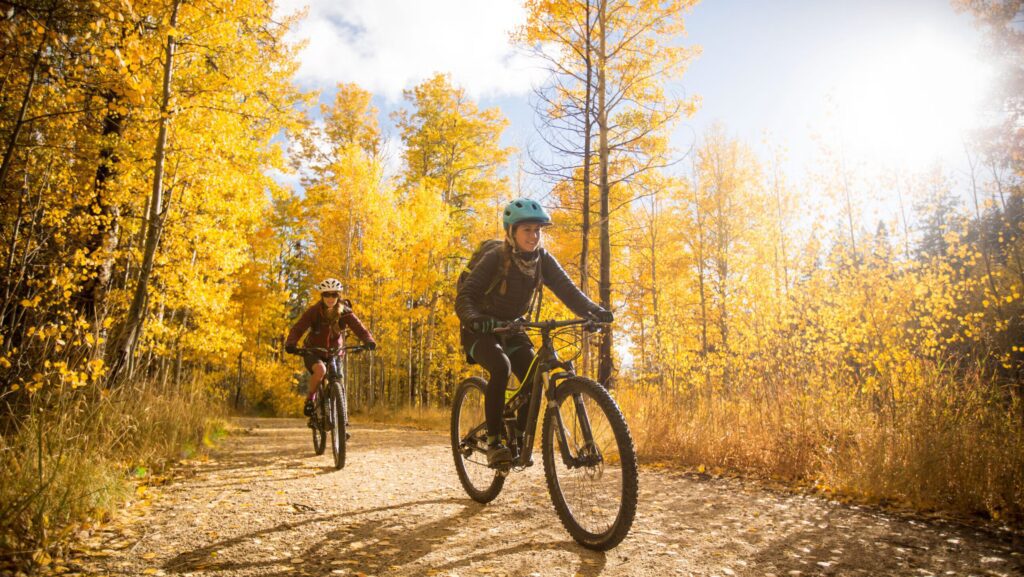
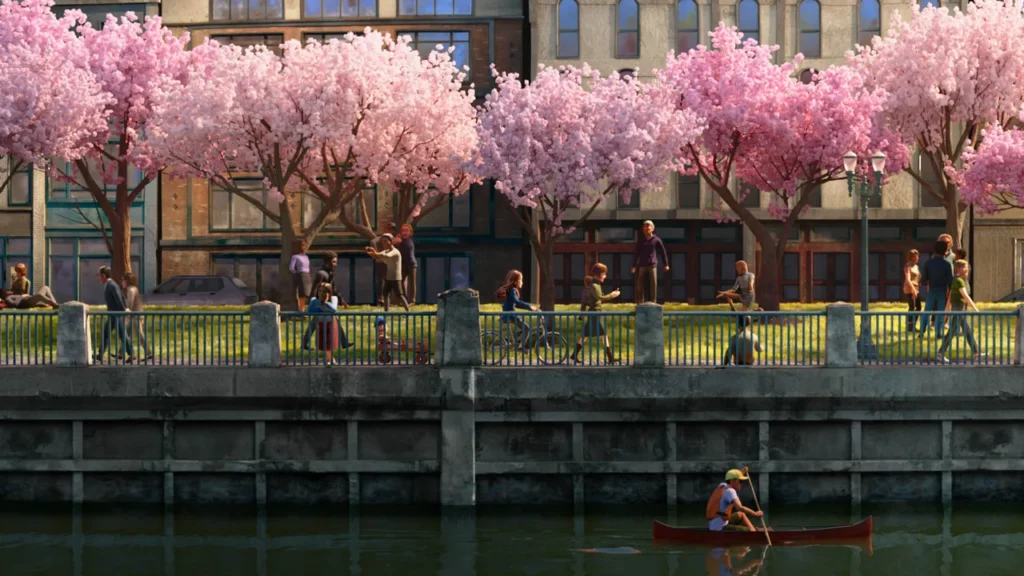
Spring (March to May) and fall (September to November) are excellent alternatives. Spring brings blooming cherry blossoms and fewer tourists, while fall offers crisp air, vibrant foliage, and harvest-themed events. Winter (December to February) is cooler and wetter, but it’s perfect for cozy indoor experiences—think bookshops, breweries, and holiday markets. Rain is common year-round, so pack layers and a reliable waterproof jacket regardless of when you go.
Top Neighborhoods to Explore in Portland
Portland’s neighborhoods each have their own personality, making it easy to tailor your itinerary to your interests. Pearl District is a trendy hub with art galleries, boutique shops, and upscale dining. Once an industrial zone, it’s now one of the city’s most walkable areas, anchored by the Portland Streetcar and the scenic Tom McCall Waterfront Park.
Alberta Street in Northeast Portland is known for its vibrant arts scene, colorful murals, and independent businesses. It’s a cultural hotspot with live music venues, vintage stores, and diverse eateries. Hawthorne Boulevard offers a bohemian vibe with quirky shops, record stores, and sidewalk cafes. For a quieter, residential feel, Nob Hill (Northwest 23rd) combines tree-lined streets with charming boutiques and cozy restaurants.
Division Street in Southeast Portland is a food lover’s paradise, lined with acclaimed restaurants, food carts, and craft cocktail bars. Meanwhile, Mississippi Avenue blends music, art, and community events, making it a favorite among locals. Each neighborhood offers a unique slice of Portland life—explore them on foot or by bike to truly soak in the atmosphere.
Must-See Attractions and Landmarks
No complete travel guide to Portland would be without highlighting its iconic landmarks. Start with Washington Park, a sprawling urban oasis that houses the International Rose Test Garden, Oregon Zoo, and the Portland Japanese Garden—often ranked among the best in the world. The park’s lush landscapes and panoramic city views make it a must-visit, especially on clear days.
The Pittock Mansion offers a glimpse into Portland’s early 20th-century history, with restored rooms, period furnishings, and sweeping views from Forest Heights. Nearby, Forest Park is one of the largest urban forests in the U.S., with over 80 miles of trails perfect for hiking and birdwatching. For a dose of culture, visit the Portland Art Museum, the oldest art museum on the West Coast, featuring Pacific Northwest artists and rotating exhibitions.
Don’t miss the Portland Saturday Market, the largest continuously operating outdoor arts and crafts market in the U.S. Open every weekend, it’s a great place to shop for handmade goods, enjoy street food, and listen to live music. The Tom McCall Waterfront Park along the Willamette River is another central spot, hosting festivals, farmers markets, and scenic strolls with views of the city skyline and bridges.
Food and Drink: Portland’s Culinary Scene
Portland’s food scene is legendary, and for good reason. The city is a haven for foodies, with a strong emphasis on local, sustainable, and innovative cuisine. Food carts are a cornerstone of Portland dining—over 600 carts cluster in pods across the city, offering everything from gourmet tacos and Korean BBQ to vegan donuts and Ethiopian stews. Popular pods include the one on Hawthorne Boulevard and the Cart Blocks in the Central Eastside.
For sit-down dining, Portland boasts a range of acclaimed restaurants. Try Le Pigeon for French-inspired dishes with a Pacific Northwest twist, or Tasty n Alder for creative brunch fare. Pok Pok is a must for authentic Thai street food, especially their famous fish sauce wings. Vegetarians and vegans will find no shortage of options, with dedicated restaurants like Harlow and Virtuous Pie leading the plant-based movement.
No visit is complete without sampling Portland’s craft beverages. The city is home to over 70 breweries, making it one of the top beer destinations in the U.S. Deschutes Brewery, Breakside Brewery, and Great Notion are local favorites. Coffee culture is equally strong—Stumptown Coffee Roasters and Coava Coffee are pioneers in the third-wave coffee movement, offering expertly brewed cups in stylish settings.
Outdoor Adventures and Nature Escapes
Portland’s proximity to nature is one of its greatest assets. Just minutes from downtown, you can hike, bike, or paddle in stunning natural settings. Mount Tabor, an extinct volcanic cinder cone, offers easy trails and 360-degree views of the city. It’s a popular spot for locals to jog, picnic, or watch the sunset.
For more challenging terrain, head to Tryon Creek State Natural Area</> or Wildwood Trail</> in Forest Park. These trails wind through dense forests, creeks, and wildlife habitats. Cyclists will love the Springwater Corridor</>, a 21-mile paved trail that connects Portland to the suburbs and offers scenic views of the river and farmland.
Beyond the city, day trips abound. Columbia River Gorge is a 30-minute drive east, featuring waterfalls like Multnomah Falls, hiking trails, and scenic overlooks. Cannon Beach on the Oregon Coast is about 90 minutes away, known for its dramatic coastline, Haystack Rock, and charming seaside town. Whether you prefer forests, rivers, or ocean views, Portland is your gateway to the Pacific Northwest’s natural wonders.
Transportation and Getting Around
Portland is one of the most transit-friendly cities in the U.S. The TriMet system includes buses, light rail (MAX), and the Portland Streetcar, making it easy to get around without a car. A day pass costs $5 and covers all modes of transit. The city is also highly bike-friendly, with over 385 miles of bike lanes and the Biketown bike-share program.
Rideshare services like Uber and Lyft are widely available, and taxis operate throughout the city. If you plan to explore beyond Portland, renting a car is recommended for trips to the coast, mountains, or wine country. Parking in downtown can be challenging and expensive, so consider using park-and-ride lots or staying in neighborhoods with easy transit access.
Walking is often the best way to explore Portland’s compact neighborhoods. Most attractions, restaurants, and shops are within a 15- to 30-minute walk of each other. Wear comfortable shoes and be prepared for rain—Portland’s weather can change quickly, even in summer.
Key Takeaways for Your Portland Trip
- Portland blends urban culture with natural beauty, offering a unique travel experience.
- The best time to visit is late spring to early fall for ideal weather and events.
- Explore diverse neighborhoods like Pearl District, Alberta Street, and Hawthorne for local flavor.
- Must-see attractions include Washington Park, Pittock Mansion, and the Portland Japanese Garden.
- Food carts, craft breweries, and coffee shops define Portland’s culinary identity.
- Outdoor adventures are abundant, from city parks to nearby waterfalls and beaches.
- Use public transit, biking, or walking to navigate the city efficiently.
Frequently Asked Questions
What is the best way to get around Portland?
The best way to get around Portland is by using the TriMet public transit system, which includes buses, light rail, and streetcars. Biking and walking are also popular and convenient, especially in the city center. Rideshares and taxis are available, but parking can be difficult and costly downtown.
Is Portland safe for tourists?
Portland is generally safe for tourists, with low violent crime rates in most neighborhoods. As with any city, exercise common sense—avoid poorly lit areas at night, keep valuables secure, and stay aware of your surroundings. Popular tourist areas like the Pearl District and Washington Park are well-patrolled and safe.
Do I need a car to visit Portland?
You do not need a car to explore downtown Portland and its main attractions. Public transit, biking, and walking are efficient and widely used. However, if you plan to visit nearby natural areas like the Columbia River Gorge or the Oregon Coast, renting a car is recommended for flexibility and convenience.
Conclusion
This complete travel guide to Portland equips you with everything needed to plan a memorable trip. From its vibrant neighborhoods and top attractions to its renowned food scene and outdoor adventures, Portland offers a rich, authentic experience unlike any other city. Whether you’re a first-time visitor or a returning traveler, use this guide to discover the best of what Portland has to offer. Pack your bags, bring a sense of curiosity, and get ready to fall in love with the Rose City.