









Planning a trip to the Steel City? Whether you’re drawn by its rich industrial history, vibrant arts scene, or scenic riverfronts, visiting Pittsburgh offers a dynamic blend of culture, innovation, and Midwestern charm. This complete travel guide covers everything you need—from top attractions and local eats to hidden gems and seasonal tips—so you can make the most of your Pittsburgh adventure. With its rolling hills, iconic bridges, and welcoming neighborhoods, Pittsburgh delivers an authentic urban experience that surprises and delights first-time visitors and returning travelers alike.
Why Visit Pittsburgh? Top Reasons to Explore the City
Pittsburgh stands out as one of America’s most underrated destinations. Once known for steel mills and smokestacks, the city has reinvented itself into a hub of technology, education, and culture. Today, it’s home to world-class museums like the Carnegie Museums of Art and Natural History, cutting-edge robotics research at Carnegie Mellon University, and a thriving food scene that blends Appalachian, Eastern European, and modern American flavors. The city’s transformation is visible in its clean streets, green spaces, and innovative urban design.
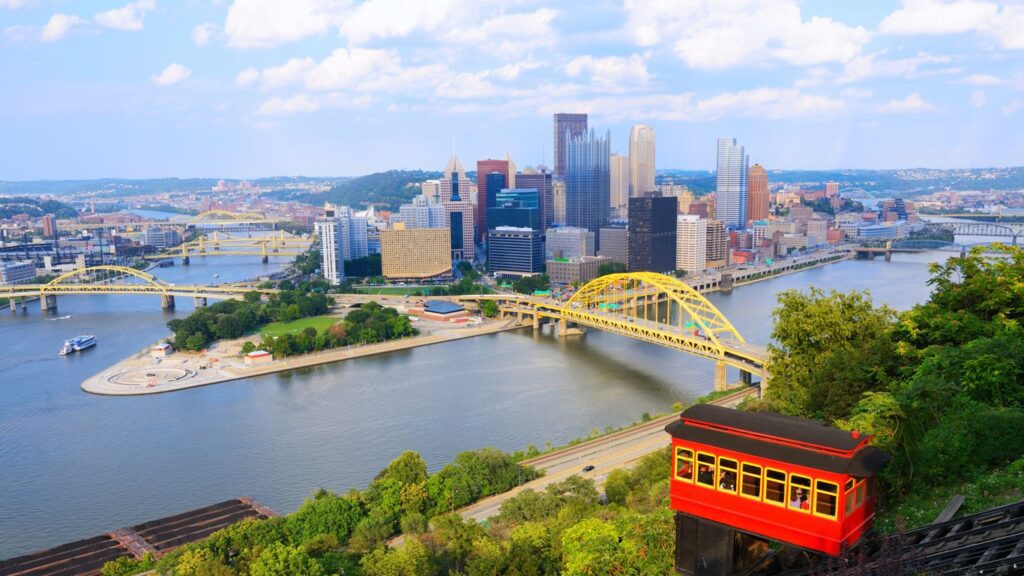
Beyond its modern appeal, Pittsburgh retains a strong sense of community and history. The city boasts 446 bridges—more than any other city in the world—earning it the nickname “The City of Bridges.” These structures not only connect neighborhoods but also offer stunning photo opportunities, especially at sunset over the Three Rivers. Whether you’re exploring the historic Strip District, catching a Steelers game at Acrisure Stadium, or hiking in Frick Park, Pittsburgh offers experiences that are both accessible and deeply memorable.
Best Time to Visit Pittsburgh: Weather and Events
The ideal time for visiting Pittsburgh depends on your interests. Spring (April to June) brings mild temperatures, blooming gardens, and outdoor festivals like the Three Rivers Arts Festival. Summer (July to August) is warm and lively, with events such as the Pittsburgh Blues Festival and outdoor concerts at Point State Park. However, humidity can be high, and tourist crowds peak during major sporting events.
Fall (September to November) is arguably the most beautiful season, with crisp air and vibrant foliage, especially in the city’s many parks and along the riverbanks. Winter (December to March) is cold and snowy, but the holiday lights in neighborhoods like Shadyside and the ice-skating rink at PPG Place add festive charm. If you’re on a budget, consider visiting in late winter or early spring when hotel rates are lower and the city begins to awaken from its seasonal slumber.
Top Attractions in Pittsburgh: Must-See Sights
No trip to Pittsburgh is complete without a visit to the Pittsburgh Cultural District, a 14-block area filled with theaters, galleries, and public art installations. Catch a performance at the Benedum Center or explore the August Wilson African American Cultural Center. Just a short walk away, Point State Park offers a scenic convergence of the Allegheny, Monongahela, and Ohio Rivers, complete with a historic fountain and walking trails.
For science and history buffs, the Carnegie Science Center and the Heinz History Center provide interactive exhibits and immersive storytelling. The Duquesne Incline offers a vintage cable car ride up Mount Washington, where panoramic views of the skyline are unmatched. Don’t miss the Andy Warhol Museum, the largest museum in the U.S. dedicated to a single artist, showcasing the pop icon’s roots in Pittsburgh’s creative legacy.
Nature lovers should explore Frick Park, one of the city’s largest green spaces, perfect for hiking, biking, and birdwatching. The Phipps Conservatory and Botanical Gardens in Schenley Park features stunning floral displays and sustainable architecture. For a unique experience, take a river cruise with Gateway Clipper Fleet or kayak along the Three Rivers with Venture Outdoors.
Neighborhoods to Explore: Where to Stay and Wander
Pittsburgh’s neighborhoods each have their own personality, making it easy to find a vibe that suits your travel style. Downtown Pittsburgh is ideal for first-time visitors, offering proximity to major attractions, hotels, and public transit. It’s also the heart of the city’s business and cultural districts, with easy access to light rail (the “T”) and walkable streets.
The Strip District is a must-visit for foodies and shoppers. This historic market area buzzes with farmers’ markets, ethnic grocers, and local vendors selling everything from pierogies to steel-cut oats. It’s also a great spot for breakfast at Pamela’s Diner or a craft beer at Church Brew Works. For a more residential feel, consider staying in Shadyside, known for its tree-lined streets, boutique shopping, and upscale dining.
Lawrenceville has emerged as one of the city’s trendiest neighborhoods, with art galleries, vintage shops, and a booming restaurant scene. South Side offers a lively nightlife along East Carson Street, while Mount Washington provides breathtaking views and quiet charm. Each area offers unique character and convenient access to the rest of the city via bike lanes, buses, or the inclines.
Food and Drink: A Taste of Pittsburgh
Pittsburgh’s culinary identity is deeply rooted in its immigrant heritage and blue-collar roots. No visit is complete without trying a Pittsburgh-style sandwich—typically a Primanti Bros. creation piled high with coleslaw, fries, and meat between thick slices of bread. Other local favorites include kielbasa, haluski, and chipped ham. For a modern twist, visit restaurants like Morcilla or Driftwood Oven, which blend tradition with innovation.
The city’s craft beer scene is thriving, with over 50 breweries in the region. Notable spots include Church Brew Works, housed in a former church, and Eleven, known for its experimental ales. Coffee lovers should check out Commonplace Coffee or Common Good Café, both locally owned and committed to community engagement. Don’t forget to sample a sloppy joe—a Pittsburgh specialty that’s distinct from the national version, featuring a tangy, tomato-based sauce.
For dessert, indulge in a whoopie pie or a slice of kolache from a local bakery. Farmers’ markets, especially in the Strip District and East End Food Co-op, offer fresh, seasonal produce and artisanal goods. Whether you’re dining at a food truck or a James Beard-nominated restaurant, Pittsburgh’s food scene reflects its resilience, diversity, and passion for flavor.
Getting Around Pittsburgh: Transportation Tips
Pittsburgh is surprisingly easy to navigate, thanks to its compact downtown and reliable public transit. The Port Authority of Allegheny County operates buses and the “T” light rail system, which connects Downtown, the North Shore, and Oakland (home to the University of Pittsburgh and Carnegie Mellon). A day pass costs $10 and is a cost-effective way to explore multiple neighborhoods.
Walking is enjoyable in pedestrian-friendly areas like the Cultural District and South Side, but be prepared for hills—Pittsburgh’s topography can be challenging. Biking is popular, with over 115 miles of trails, including the Three Rivers Heritage Trail. Ride-sharing apps like Uber and Lyft are widely available, and parking can be expensive downtown, so consider using garages or park-and-ride options.
For scenic travel, the Duquesne and Monongahela Inclines offer affordable rides up Mount Washington. Taxis and rental cars are options, but traffic and limited parking make them less ideal for short stays. If arriving by air, Pittsburgh International Airport (PIT) is a 30-minute drive from downtown, with shuttle and rail connections available.
Key Takeaways for Visiting Pittsburgh
- Best Time to Visit: Spring and fall offer ideal weather and fewer crowds.
- Must-See Attractions: Point State Park, Carnegie Museums, Andy Warhol Museum, and Mount Washington views.
- Top Neighborhoods: Downtown for convenience, Strip District for food, Lawrenceville for culture.
- Local Food Staples: Primanti Bros. sandwiches, pierogies, kielbasa, and craft beer.
- Transportation: Use the “T” light rail, walk in flat areas, and take the inclines for views.
- Hidden Gems: Frick Park trails, Phipps Conservatory, and riverfront kayaking.
Frequently Asked Questions
What is the best way to get around Pittsburgh as a tourist?
The most convenient way is using the Port Authority’s “T” light rail and bus system. A day pass allows unlimited rides and covers major attractions. Walking is great in flat areas like Downtown and the Strip District, while the inclines provide easy access to Mount Washington for skyline views.
Is Pittsburgh safe for tourists?
Yes, Pittsburgh is generally safe for visitors, especially in well-trafficked tourist areas. Like any city, practice common sense—avoid poorly lit areas at night, keep valuables secure, and stay aware of your surroundings. Most neighborhoods are welcoming and accustomed to tourists.
What should I pack when visiting Pittsburgh?
Pack layers, as weather can change quickly. Comfortable walking shoes are essential due to hills and cobblestone streets. Bring a rain jacket in spring and fall, and warm clothing in winter. Don’t forget a camera for the scenic river views and historic architecture.
Conclusion
Visiting Pittsburgh offers a rich, multifaceted experience that blends history, innovation, and hospitality. From its iconic bridges and world-class museums to its diverse neighborhoods and bold flavors, the city rewards curious travelers with authenticity and charm. Whether you’re here for a weekend or a week, Pittsburgh’s blend of urban energy and natural beauty ensures a memorable journey. With this complete travel guide, you’re ready to explore the Steel City like a local—discovering hidden corners, savoring local bites, and soaking in the spirit of one of America’s most resilient and inspiring cities.