



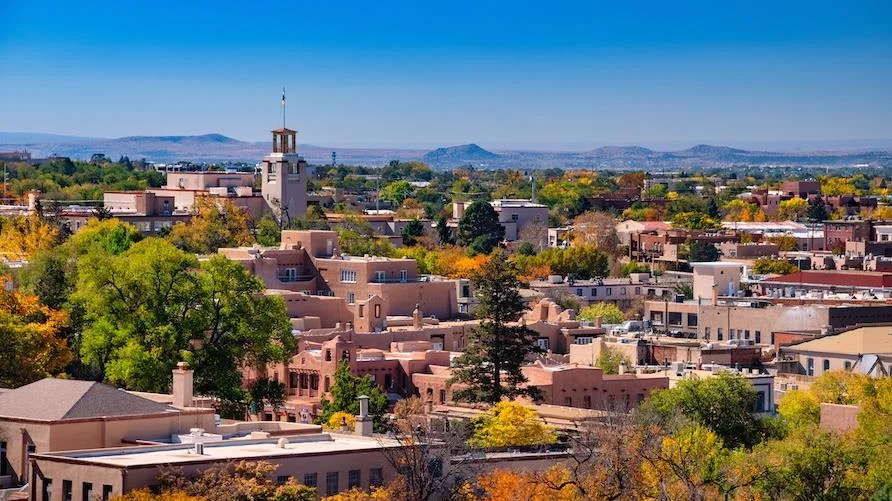
Planning a trip to the Southwest? Visiting Santa Fe offers a one-of-a-kind blend of Native American heritage, Spanish colonial charm, and vibrant arts culture. As the oldest capital city in the U.S., Santa Fe captivates travelers with its adobe architecture, high desert landscapes, and rich cultural tapestry. Whether you’re drawn to world-class museums, flavorful New Mexican cuisine, or spiritual retreats in the Sangre de Cristo Mountains, this ultimate travel guide covers everything you need to make your visit unforgettable.
Why Santa Fe Should Be on Your Travel Bucket List
Santa Fe isn’t just a destination—it’s an experience. Nestled at 7,200 feet above sea level in northern New Mexico, the city boasts a unique high-altitude climate, stunning sunsets, and a deeply rooted cultural identity. Unlike typical tourist hotspots, Santa Fe maintains an authentic, unhurried pace of life that invites visitors to slow down and immerse themselves in its traditions. From the scent of piñon wood smoke to the sound of mariachi music drifting through the Plaza, every detail reflects centuries of history and artistry.
What truly sets Santa Fe apart is its status as a UNESCO Creative City of Crafts and Folk Art. The city is home to over 250 art galleries, including the renowned Canyon Road district, where visitors can browse everything from traditional Pueblo pottery to contemporary Native American paintings. Add in its thriving culinary scene—featuring green chile stew, blue corn enchiladas, and biscochitos—and it’s easy to see why Santa Fe consistently ranks among America’s top cultural destinations.
Best Time to Visit Santa Fe
The ideal time for visiting Santa Fe depends on your interests, but most travelers prefer the shoulder seasons of spring (April to June) and fall (September to October). During these months, temperatures are mild, ranging from 50°F to 75°F, and the skies are typically clear—perfect for outdoor exploration. Spring brings blooming wildflowers and the annual Santa Fe Indian Market in August, while fall offers golden aspens in the surrounding mountains and fewer crowds than summer.
Summer (July and August) is peak tourist season, with warm days and cool evenings. However, afternoon thunderstorms are common due to the monsoon season. Winter (November to March) transforms Santa Fe into a snow-dusted wonderland, ideal for skiing at nearby Ski Santa Fe or enjoying cozy fireside dining. The city also hosts festive events like the Farolito Walk on Christmas Eve, when thousands of candles line the streets in a magical display.
Top Attractions and Must-See Sights
No trip to Santa Fe is complete without exploring its iconic landmarks. Start at the historic Santa Fe Plaza, the heart of the city since 1610. Surrounded by adobe buildings, shops, and restaurants, the Plaza hosts farmers markets, live music, and cultural festivals year-round. Just steps away, the Palace of the Governors—the oldest continuously occupied public building in the U.S.—offers a fascinating glimpse into Spanish colonial rule and Pueblo resistance.
Art lovers will want to visit the Georgia O’Keeffe Museum, dedicated to the pioneering artist who found inspiration in New Mexico’s landscapes. The museum houses the largest permanent collection of her work, including iconic paintings of flowers, bones, and desert vistas. Nearby, the New Mexico Museum of Art showcases regional artists from the 19th century to today, while the Loretto Chapel draws visitors with its mysterious spiral staircase, said to have been built without nails.
Exploring Santa Fe’s Cultural and Historical Districts
Beyond the downtown core, Santa Fe’s neighborhoods offer distinct flavors and experiences. Canyon Road, a half-mile stretch lined with over 100 galleries, is a haven for art collectors and casual browsers alike. Stroll past studios featuring Navajo weavings, Zuni jewelry, and modern sculpture, then stop for espresso at one of the charming cafés. The area comes alive during the annual Canyon Road Farolito Walk in December.
The Railyard District represents Santa Fe’s modern evolution. Once an industrial rail yard, it’s now a dynamic hub of public art, food trucks, and the popular Santa Fe Farmers Market, the largest of its kind in New Mexico. Every Saturday, locals and tourists gather to sample local produce, handmade crafts, and live music. The district also hosts the Santa Fe Railyard Park, a green oasis with walking paths, playgrounds, and seasonal events.
For a deeper dive into Indigenous culture, visit the Museum of Indian Arts & Culture and the adjacent Institute of American Indian Arts. These institutions celebrate the ongoing contributions of Native peoples through exhibitions, performances, and educational programs. Nearby, the San Miguel Chapel—believed to be the oldest church in the U.S.—offers a quiet moment of reflection amid centuries-old adobe walls.
Outdoor Adventures and Nature Escapes
Santa Fe’s dramatic landscape invites outdoor enthusiasts to explore. Just 15 minutes from downtown, Dale Ball Trails offer over 50 miles of hiking and biking paths through piñon-juniper woodlands and rugged foothills. For a more challenging trek, head to Atalaya Mountain, a 9,000-foot peak with panoramic views of the city and surrounding valleys. Early morning hikes reward visitors with golden light and cool temperatures.
In winter, Ski Santa Fe provides a local favorite for downhill skiing and snowboarding. With 75 trails across 660 acres, the resort caters to all skill levels and offers stunning alpine scenery. Cross-country skiers and snowshoers can explore the nearby Santa Fe National Forest, where groomed trails wind through snow-covered pines. Even in summer, the forest offers cool escapes with wildflower meadows and shaded picnic areas.
For a truly unique experience, take a scenic drive along the Turquoise Trail, a National Scenic Byway connecting Santa Fe to Albuquerque. This 54-mile route passes through historic mining towns like Madrid and Cerrillos, where you can tour old mines, browse artisan shops, and enjoy mountain vistas. Stop at the Old Coal Mine Museum or sip local wine at a roadside vineyard for a taste of New Mexico’s frontier spirit.
Where to Eat and Drink in Santa Fe
Santa Fe’s food scene is a celebration of regional flavors, especially New Mexican cuisine. Don’t leave without trying green chile—roasted, chopped, and smothering everything from burgers to breakfast burritos. Iconic spots like The Shed and Café Pasqual’s serve up traditional dishes with a modern twist, using locally sourced ingredients and time-honored recipes passed down through generations.
For a fine dining experience, Gerónimo offers contemporary American cuisine in a historic adobe home on Canyon Road. Their tasting menu highlights seasonal produce and Native American influences. Meanwhile, El Farol, located in the historic La Fonda Hotel, serves tapas-style dishes with Spanish flair and live flamenco shows on weekends. Vegetarians and vegans will find plenty of options, with many restaurants offering plant-based versions of classic dishes.
Coffee culture thrives in Santa Fe, with independent cafés like Iconik Coffee Roasters and Opuntia Café serving expertly brewed coffee and house-made pastries. For a nightcap, visit La Boca for craft cocktails or Second Street Brewery for locally brewed ales. And don’t miss the chance to sample New Mexico’s signature drink: margaritas made with prickly pear cactus—a sweet, tangy delight best enjoyed at sunset.
Accommodations: Where to Stay in Santa Fe
Santa Fe offers a range of lodging options, from luxury resorts to cozy bed-and-breakfasts. For a historic stay, book a room at the Inn of the Anasazi, a Forbes Four-Star hotel in the heart of downtown, featuring Native American art and a rooftop terrace. Families may prefer the Four Seasons Resort The Lodge at Cordillera, located just outside the city with spa services, golf, and mountain views.
Budget-conscious travelers will appreciate charming inns like The Inn on the Alameda, which offers free wine and cheese each evening and easy access to the Plaza. For a unique experience, consider staying in a traditional adobe-style vacation rental through platforms like Airbnb, many of which feature kiva fireplaces, vigas ceilings, and private courtyards.
No matter where you stay, proximity to downtown is key. Most attractions, restaurants, and galleries are within walking distance, and the city’s compact layout makes it easy to explore on foot. If you plan to venture into the mountains or nearby pueblos, renting a car is recommended for maximum flexibility.
Key Takeaways for Visiting Santa Fe
- Santa Fe blends history, art, and nature into a uniquely immersive travel experience.
- The best times to visit are spring and fall for ideal weather and fewer crowds.
- Must-see attractions include the Plaza, Canyon Road galleries, and the Georgia O’Keeffe Museum.
- Outdoor adventures range from hiking Atalaya Mountain to skiing at Ski Santa Fe.
- New Mexican cuisine—especially green chile—is a culinary highlight not to be missed.
- Stay in a historic inn or adobe-style rental for an authentic Santa Fe vibe.
Conclusion
Visiting Santa Fe is more than a vacation—it’s a journey into the soul of the American Southwest. With its rich cultural heritage, breathtaking landscapes, and vibrant creative energy, the city offers something for every traveler. Whether you’re exploring ancient pueblos, savoring spicy enchiladas, or watching the sunset over the Sangre de Cristo Mountains, Santa Fe leaves a lasting impression. Plan your trip with this ultimate travel guide, and prepare to be enchanted by one of America’s most distinctive destinations.
FAQs
What is the best way to get around Santa Fe?
Santa Fe is highly walkable, especially in the downtown area. Most major attractions, restaurants, and shops are within a short distance of the Plaza. For longer trips, ride-sharing apps, taxis, and rental cars are available. The city also offers a free shuttle service during major events.
Is Santa Fe safe for tourists?
Yes, Santa Fe is generally safe for visitors. Like any city, it’s wise to stay aware of your surroundings, especially at night. The downtown area is well-lit and patrolled, and locals are known for their friendliness and hospitality.
Do I need a car to visit Santa Fe?
A car is not essential if you’re staying in downtown Santa Fe and plan to explore the city center. However, having a vehicle is helpful for visiting nearby pueblos, hiking trails, and scenic drives like the Turquoise Trail.