








Singapore is a vibrant city-state that blends modern innovation with rich cultural heritage, making it one of the most sought-after travel destinations in Southeast Asia. Whether you’re drawn to futuristic architecture, lush green spaces, or world-class cuisine, the top attractions and travel tips for visiting Singapore will help you make the most of your trip. From Marina Bay Sands to Sentosa Island, this guide covers must-see sights, insider advice, and practical tips to ensure a seamless and unforgettable experience in the Lion City.
Why Singapore Should Be on Your Travel Bucket List
Singapore consistently ranks among the world’s top travel destinations due to its cleanliness, safety, efficiency, and diversity. It’s a melting pot of Chinese, Malay, Indian, and Western influences, reflected in its food, festivals, and architecture. The city-state is compact yet packed with experiences—perfect for short getaways or extended stays. With English as one of its official languages, communication is rarely a barrier for international visitors.
Beyond its urban appeal, Singapore offers a surprising amount of nature. The city is home to over 350 parks and four nature reserves, including the iconic Singapore Botanic Gardens, a UNESCO World Heritage Site. Whether you’re exploring the futuristic Supertree Grove at Gardens by the Bay or strolling through the tranquil MacRitchie Reservoir, nature and city life coexist harmoniously. This balance makes Singapore ideal for travelers seeking both excitement and relaxation.
Top Attractions and Travel Tips for Visiting Singapore: Must-See Sights
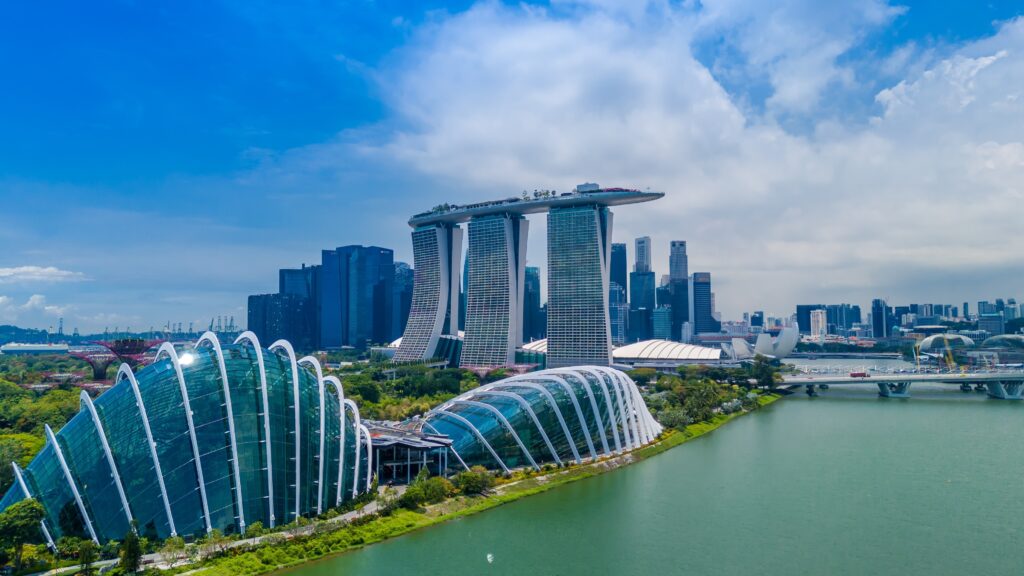
When planning your itinerary, prioritize Singapore’s most iconic landmarks. Start with Marina Bay Sands, a symbol of modern Singapore. The integrated resort features a luxury hotel, a massive shopping mall, a casino, and the famous SkyPark Observation Deck, which offers panoramic views of the city skyline. Don’t miss the Spectra light and water show, a free nightly display that lights up the bay with music and visuals.
Next, visit Gardens by the Bay, a futuristic nature park spanning 101 hectares. The Supertree Grove, with its towering vertical gardens, is a photographer’s dream. At night, the trees come alive with the Garden Rhapsody light show. The Flower Dome and Cloud Forest conservatories house exotic plants from around the world, offering climate-controlled escapes from the tropical heat. These attractions are not only visually stunning but also showcase Singapore’s commitment to sustainability and innovation.
Sentosa Island: Fun for All Ages
Just a 15-minute monorail ride from the city center, Sentosa Island is Singapore’s premier resort destination. It’s home to Universal Studios Singapore, S.E.A. Aquarium, and Adventure Cove Waterpark—perfect for families and thrill-seekers. The island also boasts pristine beaches like Palawan and Siloso, ideal for sunbathing, water sports, or a quiet sunset stroll.
For a more relaxed experience, visit the Sentosa Nature Discovery trail, a 1.8-kilometer boardwalk through lush rainforest. You can also take the Skyline Luge, a fun gravity-powered ride with scenic views. Don’t forget to check out the Wings of Time show, a multimedia performance featuring water screens, pyrotechnics, and 3D projections. Sentosa truly offers something for everyone, making it a must-visit on your Singapore itinerary.
Cultural Gems: Chinatown, Little India, and Kampong Glam
To experience Singapore’s multicultural soul, explore its historic districts. Chinatown is a bustling enclave filled with traditional shophouses, temples, and street food. Visit the Buddha Tooth Relic Temple and Museum, then sample local delicacies like Hainanese chicken rice and bak kut teh at the Chinatown Complex Food Centre.
Little India bursts with color, spice, and energy. Walk along Serangoon Road to see vibrant murals, visit the Sri Veeramakaliamman Temple, and shop for saris and spices. The area comes alive during Deepavali, the Festival of Lights. Nearby, Kampong Glam offers a laid-back vibe with its hip cafes, indie boutiques, and the stunning Sultan Mosque. This district reflects Singapore’s Malay-Arab heritage and is perfect for a leisurely afternoon stroll.
Essential Travel Tips for Visiting Singapore
To make your trip smooth and enjoyable, keep these practical travel tips for visiting Singapore in mind. First, the weather is hot and humid year-round, with frequent afternoon showers. Pack lightweight, breathable clothing, a compact umbrella, and plenty of sunscreen. Stay hydrated and take breaks in air-conditioned spaces like malls or museums.
Public transportation is efficient, affordable, and covers the entire island. The MRT (Mass Rapid Transit) system is clean, safe, and connects all major attractions. Purchase an EZ-Link or NETS FlashPay card for seamless travel on trains and buses. Taxis and ride-hailing apps like Grab are also widely available, though traffic can be heavy during peak hours.
Best Time to Visit Singapore
Singapore has a tropical rainforest climate, so there’s no bad time to visit—but some periods are more comfortable than others. The best time to visit Singapore is during the dry season from February to April, when rainfall is lower and humidity is slightly more manageable. Avoid the haze season (typically June to September), when forest fires in neighboring Indonesia can affect air quality.
Major festivals like Chinese New Year (January/February), Hari Raya Puasa (varies), and Deepavali (October/November) offer unique cultural experiences but also mean larger crowds and higher prices. If you’re flexible, consider visiting during the shoulder months of May or October for fewer tourists and better deals on accommodations.
Money, Tipping, and Etiquette
The local currency is the Singapore Dollar (SGD). Credit cards are widely accepted, but it’s wise to carry some cash for hawker centers and small vendors. Tipping is not customary in Singapore, as a 10% service charge is usually included in restaurant bills. However, rounding up the fare for taxis is appreciated.
Singapore is known for its strict laws and cleanliness. Littering, jaywalking, and chewing gum in public are heavily fined. Always queue orderly, respect local customs, and dress modestly when visiting places of worship. These small gestures go a long way in showing respect for the local culture.
Foodie’s Paradise: Must-Try Dishes and Dining Spots
Singapore is a food lover’s dream, offering a diverse culinary scene that reflects its multicultural population. Don’t leave without trying Hainanese chicken rice, a national dish of poached chicken served with fragrant rice and chili sauce. Head to Tian Tian Hainanese Chicken Rice at Maxwell Food Centre for an authentic taste.
Another must-try is chilli crab, a sweet and spicy seafood dish best enjoyed with mantou (fried buns). Jumbo Seafood at East Coast is a popular spot, but smaller hawker stalls like Long Beach Seafood also serve excellent versions. For breakfast, try kaya toast—grilled bread with coconut jam and butter, served with soft-boiled eggs and kopi (local coffee).
Hawker Centers: The Heart of Singaporean Food
Hawker centers are open-air food courts that offer affordable, delicious meals in a lively atmosphere. They’re a cornerstone of Singapore’s food culture and a must-visit for any traveler. Some of the best include Lau Pa Sat, famous for its satay street, and Old Airport Road Food Centre, known for its variety and quality.
Each hawker stall specializes in one or two dishes, often perfected over generations. Look for long queues—they’re usually a sign of great food. Most meals cost between SGD 3 to SGD 8, making hawker centers a budget-friendly option. Don’t forget to bring tissues, as napkins aren’t always provided.
Fine Dining and Rooftop Bars
For a more upscale experience, Singapore boasts a thriving fine dining scene. Restaurants like Odette and Burnt Ends have earned Michelin stars and international acclaim. These venues offer innovative takes on French, Australian, and Asian cuisines, often with stunning views of the city.
If you’re looking to unwind with a drink, head to a rooftop bar. 1-Altitude at One Raffles Place offers 360-degree views from 282 meters above ground. Ce La Vi at Marina Bay Sands combines sky-high ambiance with a chic lounge vibe. These spots are perfect for sunset cocktails or a romantic evening.
Hidden Gems and Off-the-Beaten-Path Experiences
While the main attractions are worth visiting, don’t miss Singapore’s lesser-known treasures. Pulau Ubin, a small island northeast of the mainland, offers a glimpse of rural Singapore. Rent a bike and explore the Chek Jawa Wetlands, where you can spot mangroves, crabs, and rare birds. It’s a peaceful escape from the city’s hustle.
For art lovers, Gillman Barracks is a contemporary art cluster featuring galleries, cafes, and pop-up exhibitions. It’s less crowded than the National Gallery and offers a more intimate experience. Nearby, the ArtScience Museum at Marina Bay Sands hosts rotating exhibitions that blend art, science, and technology in imaginative ways.
Nature and Wildlife Encounters
Singapore is home to several wildlife attractions that go beyond the typical zoo experience. The Singapore Zoo and Night Safari in Mandai are world-renowned for their open enclosures and conservation efforts. The Night Safari, in particular, offers a unique opportunity to see nocturnal animals in a naturalistic setting.
For a more immersive experience, visit the River Wonders (formerly River Safari), which focuses on freshwater ecosystems and endangered species like the giant panda. The Jurong Bird Park, though relocating in 2023, has been a beloved attraction for decades, featuring over 3,500 birds from 400 species.
Shopping and Local Markets
Singapore is a shopper’s paradise, from luxury malls to bustling street markets. Orchard Road is the main shopping belt, lined with department stores like ION Orchard and Ngee Ann City. For unique finds, explore Haji Lane in Kampong Glam, where indie boutiques sell vintage clothing, handmade jewelry, and quirky souvenirs.
Don’t miss the Bugis Street Market, a budget-friendly hub for fashion, accessories, and electronics. It’s especially lively in the evenings. For a more local experience, visit Tiong Bahru Market, where you can shop for fresh produce, traditional snacks, and handmade goods while mingling with residents.
Key Takeaways for Your Singapore Trip
- Plan your itinerary around top attractions like Marina Bay Sands, Gardens by the Bay, and Sentosa Island.
- Use the efficient MRT system to get around quickly and affordably.
- Visit hawker centers for authentic, budget-friendly meals—try chicken rice, chilli crab, and kaya toast.
- Respect local laws and customs, especially regarding littering and public behavior.
- Pack for hot, humid weather and sudden rain showers.
- Explore cultural districts like Chinatown, Little India, and Kampong Glam for a deeper understanding of Singapore’s heritage.
- Consider visiting during the dry season (February–April) for the best weather.
- Don’t miss hidden gems like Pulau Ubin, Gillman Barracks, and the Night Safari.
Conclusion
Singapore is a dynamic destination that offers something for every traveler—whether you’re seeking adventure, culture, food, or relaxation. By following these top attractions and travel tips for visiting Singapore, you’ll be well-prepared to explore the city-state’s highlights and hidden corners. From iconic landmarks to local markets, every experience adds to the rich tapestry of this remarkable city. With its blend of modernity and tradition, Singapore promises a journey that’s as enriching as it is unforgettable.
FAQs
What is the best way to get around Singapore?
The MRT (Mass Rapid Transit) system is the most efficient and affordable way to travel. It connects all major attractions and operates from early morning until midnight. You can also use buses, taxis, or ride-hailing apps like Grab. An EZ-Link or NETS FlashPay card makes travel seamless.
Is Singapore expensive for tourists?
Singapore can be pricey, especially for accommodations and fine dining. However, budget-friendly options abound, particularly at hawker centers where meals cost as little as SGD 3–5. Public transport is also very affordable, making it easy to explore without overspending.
Do I need a visa to visit Singapore?
Most tourists from countries like the US, UK, Canada, Australia, and the EU do not need a visa for stays up to 30 days. However, visa requirements vary by nationality, so check with the Singapore Immigration & Checkpoints Authority (ICA) before traveling.