









Looking to discover the best of Shanghai? This ultimate city travel guide is your one-stop resource for exploring China’s most dynamic metropolis. From futuristic skylines and historic temples to world-class dining and vibrant street markets, Shanghai blends tradition and innovation like no other city. Whether you’re planning a short getaway or an extended stay, this comprehensive guide covers everything you need—top attractions, hidden gems, local eats, transportation tips, and cultural insights—so you can experience Shanghai like a true insider.
Why Shanghai Should Be Your Next Travel Destination
Shanghai isn’t just China’s largest city—it’s a global powerhouse of culture, commerce, and creativity. As a financial hub and cultural crossroads, it offers an electrifying mix of old-world charm and cutting-edge modernity. Walking through its neighborhoods, you’ll find centuries-old temples standing in the shadow of glass skyscrapers, while traditional tea houses sit just steps away from Michelin-starred restaurants. This contrast is what makes Shanghai so captivating.
Beyond its iconic skyline, Shanghai boasts a rich history shaped by colonial influences, revolutionary movements, and rapid urbanization. The city’s Bund waterfront, with its European-style architecture, tells the story of its international past, while the futuristic Pudong district showcases its ambitions for the future. Whether you’re drawn to art, history, food, or nightlife, Shanghai delivers an unforgettable experience that appeals to every kind of traveler.
Top Attractions to Discover the Best of Shanghai
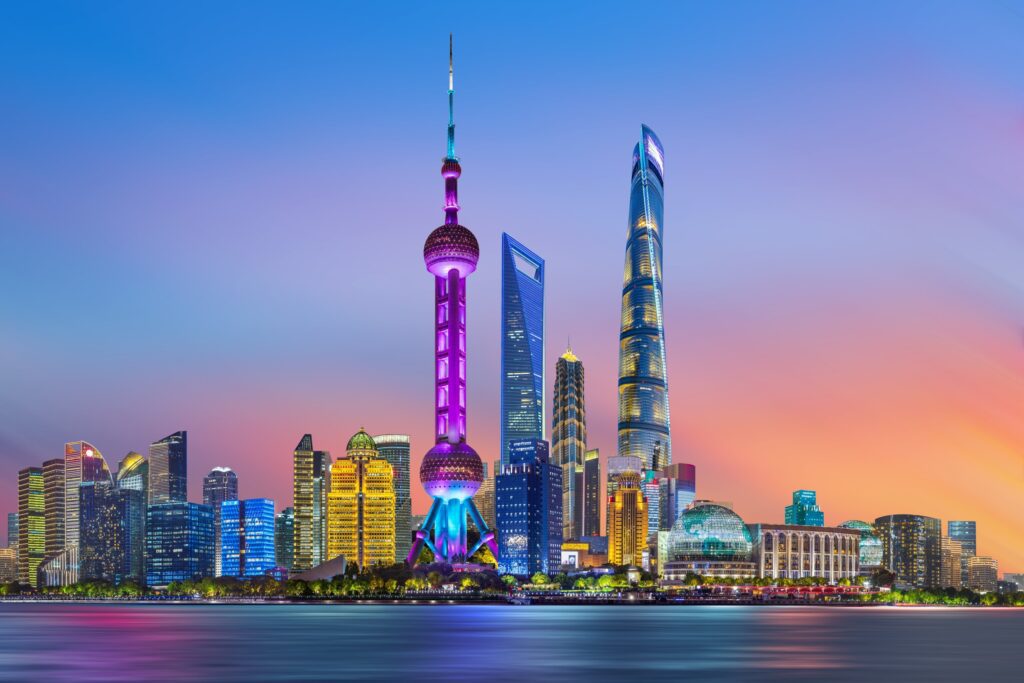
To truly discover the best of Shanghai, start with its most iconic landmarks. The Bund is a must-visit—a scenic promenade along the Huangpu River lined with grand colonial buildings that reflect Shanghai’s early 20th-century glamour. At night, the skyline across the river lights up in a dazzling display, especially from the observation decks of the Oriental Pearl Tower or Shanghai Tower. These skyscrapers not only offer panoramic views but also symbolize the city’s rise as a global metropolis.
Another essential stop is Yu Garden, a classical Chinese garden dating back to the Ming Dynasty. Nestled in the Old City, it features intricate pavilions, rock formations, and koi-filled ponds. Nearby, the bustling Chenghuangmiao Market offers souvenirs, snacks, and a glimpse into local life. For art lovers, the Power Station of Art and Shanghai Museum house impressive collections ranging from ancient bronzes to contemporary installations. Each of these sites provides a unique window into Shanghai’s layered identity.
Hidden Gems Off the Beaten Path
While major attractions are a must, some of the most memorable experiences in Shanghai come from exploring lesser-known areas. Tianzifang, a maze of narrow alleys in the French Concession, is filled with indie boutiques, art galleries, and cozy cafés. It’s a favorite among locals and creatives, offering a more relaxed alternative to the tourist-heavy Bund.
For a taste of local life, visit Xintiandi, a stylish pedestrian zone that blends restored Shikumen (stone gate) houses with modern dining and shopping. Though polished, it retains historical charm and is perfect for an evening stroll. Don’t miss Jing’an Temple, a serene Buddhist temple in the heart of the city, or French Concession’s tree-lined streets, ideal for cycling or café-hopping. These spots let you experience Shanghai beyond the postcard views.
Shanghai’s Culinary Scene: A Food Lover’s Paradise
To discover the best of Shanghai, you must dive into its legendary food culture. Shanghai cuisine, or Hu cuisine, is known for its sweet, rich flavors and delicate preparation. Signature dishes include xiaolongbao (soup dumplings), shengjianbao (pan-fried pork buns), and red-braised pork. These can be found in humble street stalls and high-end restaurants alike, but for authenticity, head to Dining Room at the Waterhouse or Jia Jia Tang Bao for legendary xiaolongbao.
Beyond local specialties, Shanghai’s dining scene is incredibly diverse. The city boasts over 100 Michelin-recommended eateries, including French, Japanese, and Italian fine dining. Don’t miss Ultraviolet by Paul Pairet, a multi-sensory dining experience that pushes culinary boundaries. For a more casual vibe, explore night markets like Yuyuan Night Market or Tongchuan Road Food Street, where sizzling skewers, stinky tofu, and bubble tea await.
Must-Try Street Foods and Local Eats
Street food is where Shanghai truly shines. Start your day with cong you bing (scallion pancakes) from a sidewalk vendor, crispy on the outside and chewy within. For lunch, try baozi (steamed buns) filled with pork or vegetables, or jianbing (savory crepes) with egg, cilantro, and chili sauce. These portable snacks are perfect for busy sightseeing days.
In the evening, join locals at Wujiang Road Food Street, a lively strip packed with stalls selling everything from grilled squid to sweet osmanthus cakes. Another favorite is Qibao Ancient Town</>, a water town just outside downtown where you can sample Qibao rice wine and glutinous rice balls. Whether you’re a foodie or just curious, Shanghai’s street food scene offers endless delicious discoveries.
Getting Around Shanghai: Transportation Tips
Navigating Shanghai is surprisingly easy, thanks to its efficient and extensive public transportation system. The Shanghai Metro is one of the largest in the world, with 20+ lines covering nearly every corner of the city. Trains are clean, punctual, and affordable, with signs in both Chinese and English. A single ride costs around ¥3–7 (under $1), and a transportation card (like the Shanghai Public Transport Card) lets you tap in and out seamlessly.
Taxis are also widely available and relatively inexpensive, especially for short trips. Apps like Didi (China’s version of Uber) make booking easy, and many drivers understand basic English. For a scenic option, take a Huangpu River cruise at sunset—it’s a relaxing way to see the city’s skyline while avoiding traffic. Biking is another great choice, especially in the French Concession, where bike-sharing apps like Mobike and Hello Bike are popular.
Tips for First-Time Visitors
If it’s your first time in Shanghai, start by downloading essential apps: Alipay and WeChat Pay for cashless payments, Google Translate (with offline Chinese packs), and MetroMan for real-time subway updates. Most signs are bilingual, but having translation tools helps in markets or smaller restaurants.
Avoid rush hours (7–9 AM and 5–7 PM) when using public transport, as trains and buses get extremely crowded. Also, carry a physical map or save offline versions—Wi-Fi isn’t always reliable. Lastly, learn a few basic Mandarin phrases like “ni hao” (hello) and “xie xie” (thank you)—locals appreciate the effort, even if you’re not fluent.
Cultural Etiquette and Local Insights
To fully discover the best of Shanghai, understanding local customs enhances your experience. Shanghai residents are generally polite and reserved, but they value respect and modesty. When visiting temples or traditional sites, dress modestly and avoid loud conversations. It’s also customary to remove your shoes before entering someone’s home or certain teahouses.
Dining etiquette includes waiting for the host to start eating, not sticking chopsticks upright in rice (a funeral symbol), and using serving chopsticks when available. Tipping isn’t expected in most places, though high-end hotels and tour guides may appreciate it. When shopping, especially in markets, polite bargaining is common—start at 30–50% of the asking price and negotiate with a smile.
Best Times to Visit Shanghai
The ideal time to visit Shanghai is during spring (March to May) and autumn (September to November), when temperatures are mild and rainfall is low. Spring brings blooming flowers and festivals like Qingming, while autumn offers crisp air and golden ginkgo leaves in parks. Summers (June to August) are hot and humid, with occasional typhoons, while winters (December to February) are chilly but rarely snowy—great for indoor attractions and hot pot.
Major holidays like Chinese New Year and Golden Week (early October) bring vibrant celebrations but also massive crowds and higher prices. If you visit during these times, book accommodations and transport well in advance. For a quieter experience, aim for weekdays outside peak seasons.
Where to Stay: Neighborhoods and Accommodation
Choosing the right neighborhood is key to enjoying your Shanghai trip. Pudong is ideal for business travelers and those wanting modern luxury, with high-end hotels near Lujiazui’s financial district. The Bund and Nanjing Road offer central locations with easy access to shopping and historic sites, perfect for first-time visitors.
For a more local vibe, consider French Concession, known for its tree-lined streets, cafés, and boutique hotels. Jing’an is another great option, blending culture, shopping, and nightlife. Budget travelers will find plenty of hostels and guesthouses in People’s Square or Hongqiao, near transport hubs. No matter your budget, Shanghai offers a range of accommodations to suit every traveler.
Top Hotel Recommendations
- The Ritz-Carlton, Shanghai, Pudong – Luxury with skyline views and a spa.
- Capella Shanghai, Jianye Road – Boutique resort in a restored 1930s mansion.
- The Langham, Xintiandi – Stylish hotel in a trendy district with excellent dining.
- Humble House Shanghai – Chic, design-forward hotel near Nanjing Road.
- Jin Jiang Tower – Historic landmark with classic elegance and central location.
Shopping in Shanghai: From Luxury to Local Markets
Shanghai is a shopper’s paradise, offering everything from high-end fashion to traditional crafts. Nanjing Road is the city’s premier shopping street, lined with department stores, flagship brands, and electronics shops. For luxury goods, head to Huaihai Road or Xintiandi, where international designers and local boutiques coexist.
For a more authentic experience, explore local markets. South Bund Fabric Market is perfect for custom tailoring—bring a photo, and you can have a suit or dress made in 24 hours. Qipu Road Clothing Market offers trendy fashion at bargain prices, while Antique City in Fuyou Road sells jade, calligraphy, and vintage collectibles. Don’t forget to haggle—it’s part of the fun.
Unique Souvenirs to Bring Home
Take a piece of Shanghai home with unique souvenirs. Yunnan tea from local tea houses, silk scarves from the Silk Market, and calligraphy brushes are popular choices. For something edible, pack dragon’s beard candy or Shanghai-style mooncakes (available year-round). Hand-painted fans and miniature Bund models also make charming keepsakes.
Nightlife and Entertainment in Shanghai
Shanghai’s nightlife is legendary, with options for every taste. The Bund and Xintiandi are hubs for upscale bars and rooftop lounges with stunning views. M1NT and Bar Rouge are popular among expats and celebrities, offering cocktails and live DJs. For something more local, try a karaoke bar (KTV)—singing with friends is a beloved social activity.
The city also boasts a thriving arts scene. Catch a performance at the Shanghai Grand Theatre or Power Station of Art, or explore underground music at venues like Yuyintang or MAO Livehouse. Night markets and late-night food stalls keep the energy alive well past midnight, making Shanghai a city that truly never sleeps.
Key Takeaways
- Shanghai blends ancient tradition with futuristic innovation, offering a unique urban experience.
- Must-see attractions include the Bund, Yu Garden, and Shanghai Tower.
- The city’s food scene is world-class, with xiaolongbao and street food as highlights.
- Public transportation is efficient and affordable, with the metro being the best option.
- Best times to visit are spring and autumn for pleasant weather and fewer crowds.
- Stay in neighborhoods like French Concession or Pudong depending on your interests.
- Respect local customs, especially in temples and during meals.
- Shopping ranges from luxury malls to bustling local markets.
- Nightlife is vibrant, with rooftop bars, KTVs, and live music venues.
Conclusion
To discover the best of Shanghai is to embrace a city of contrasts—where history meets hyper-modernity, and tradition dances with innovation. From its glittering skyline and historic gardens to its mouthwatering street food and dynamic culture, Shanghai offers an experience unlike any other. Whether you’re strolling along the Bund at sunset, savoring soup dumplings in a hidden alley, or dancing the night away in a rooftop bar, every moment in Shanghai feels electric. With this ultimate city travel guide, you’re equipped to explore every facet of this incredible metropolis. Pack your bags, bring your curiosity, and get ready to fall in love with Shanghai.
FAQs
What is the best way to get around Shanghai?
The Shanghai Metro is the most efficient and affordable way to travel. It covers nearly all major attractions and is easy to navigate with bilingual signs. Taxis and ride-hailing apps like Didi are also convenient for shorter trips.
Is Shanghai safe for tourists?
Yes, Shanghai is considered very safe for tourists. Violent crime is rare, and the city is well-policed. However, be cautious of pickpockets in crowded areas like markets and subway stations.
Do I need to speak Mandarin to visit Shanghai?
While Mandarin is the primary language, many people in tourist areas speak basic English. Learning a few key phrases and using translation apps can greatly enhance your experience and help with communication.