








Planning a trip to one of Asia’s most vibrant destinations? This Complete Guide to Visiting Hong Kong: Attractions & Travel Tips is your ultimate resource for exploring the city like a local. From iconic skyline views and bustling street markets to serene temples and world-class dining, Hong Kong offers an electrifying blend of tradition and modernity. Whether you’re a first-time visitor or returning for another adventure, this guide covers everything you need—must-see attractions, insider travel tips, transportation hacks, and cultural insights—to make your journey seamless and unforgettable.
Why Visit Hong Kong: A Dynamic Fusion of Culture and Innovation
Hong Kong stands as a global metropolis where East meets West in the most captivating way. Nestled on the southern coast of China, it’s a Special Administrative Region known for its dramatic harbor views, towering skyscrapers, and rich cultural heritage. The city pulses with energy—its streets alive with neon signs, aromatic food stalls, and the rhythmic hum of trams climbing steep hills. What makes Hong Kong truly unique is its seamless blend of Cantonese traditions with international influences, creating a cosmopolitan atmosphere unlike any other.
Beyond its urban allure, Hong Kong offers natural escapes, from lush hiking trails on Lantau Island to tranquil beaches along the South China Sea. It’s a city of contrasts: you can sip tea in a century-old dim sum house in the morning and dine at a Michelin-starred restaurant by evening. With efficient public transport, English widely spoken in tourist areas, and a reputation for safety, Hong Kong is accessible and welcoming to travelers from around the globe.
Top Attractions in Hong Kong You Can’t Miss
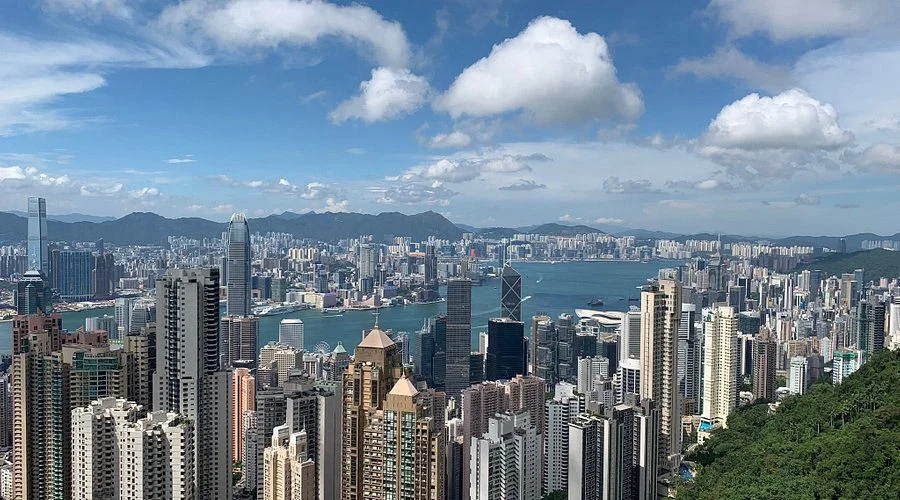
No visit to Hong Kong is complete without experiencing its most iconic landmarks. Start with the Victoria Peak, the city’s highest point, offering panoramic views of the skyline and Victoria Harbour. The Peak Tram ride itself is a historic experience, ascending steeply through lush greenery before revealing the glittering city below. At sunset, the view transforms into a sea of lights—perfect for photography and romance.
Another must-see is the Star Ferry, a century-old mode of transport that shuttles passengers across the harbor between Tsim Sha Tsui and Central. It’s not just affordable—it’s a cultural institution. As you glide across the water, you’ll pass landmarks like the International Finance Centre (IFC) and the Hong Kong Cultural Centre. Don’t miss the nightly Symphony of Lights show, a dazzling multimedia display that illuminates the skyline in synchronized brilliance.
Explore Hong Kong Island: Urban Energy and Historic Charm
Hong Kong Island is the heart of the city’s financial and cultural life. Begin your exploration in Central, the bustling business district filled with luxury shopping malls, art galleries, and rooftop bars. Just a short walk away, Mid-Levels offers a quieter vibe with tree-lined streets and colonial-era architecture. Don’t miss the Hong Kong Park, a peaceful oasis featuring a bird aviary, a greenhouse, and the historic Flagstaff House Museum of Tea Ware.
For a taste of local life, head to Sheung Wan and Western District, where traditional dried seafood shops, herbal medicine stores, and dai pai dongs (open-air food stalls) line the streets. Visit the Man Mo Temple, dedicated to the gods of literature and war, where incense coils hang from the ceiling, creating a mystical atmosphere. This area also offers excellent street food—try steamed fish balls, egg waffles, and mango pomelo sago.
Kowloon: Markets, Museums, and Nightlife
Across the harbor, Kowloon is a sensory overload in the best way. Start at Tsim Sha Tsui, home to the Avenue of Stars, the Hong Kong Museum of Art, and the stunning waterfront promenade. The Clock Tower, a remnant of the old Kowloon Station, stands as a symbol of the city’s colonial past. For shopping, Nathan Road is lined with electronics stores, fashion boutiques, and souvenir shops.
Don’t miss the Temple Street Night Market, one of Hong Kong’s most famous street markets. Open from late afternoon, it’s a lively hub of fortune tellers, street food vendors, and bargain hunters. Try the claypot rice, salted fish chicken fried rice, or a refreshing sugarcane juice. For a cultural deep dive, visit the Hong Kong Museum of History, which traces the city’s evolution from a fishing village to a global powerhouse.
Hidden Gems and Off-the-Beaten-Path Experiences
While Hong Kong’s major attractions draw millions, the city’s true charm often lies in its quieter corners. Escape the crowds with a hike on Lantau Island, home to the Big Buddha (Tian Tan Buddha) and the Po Lin Monastery. The Ngong Ping 360 cable car offers breathtaking views of the South China Sea and the airport’s runway. At the monastery, enjoy a vegetarian meal and learn about Buddhist traditions.
For nature lovers, Dragon’s Back is one of Hong Kong’s most popular hiking trails. This moderate trek takes you through forests, past beaches, and ends at Shek O Beach, a laid-back coastal village perfect for a swim or seafood lunch. The trail is well-marked and accessible via public transport, making it ideal for day trippers.
Another hidden gem is Tai O Fishing Village on Lantau Island. Known for its stilt houses and salted duck eggs, this traditional village offers a glimpse into Hong Kong’s rural past. Take a sampan ride through the narrow waterways, spot pink dolphins (if you’re lucky), and sample fresh seafood at one of the floating restaurants. It’s a peaceful contrast to the city’s urban intensity.
Cultural and Spiritual Sites Worth Visiting
Hong Kong is rich in spiritual heritage, with temples and shrines scattered across the city. The Wong Tai Sin Temple in Kowloon is one of the most popular, dedicated to the Taoist god of healing. Visitors come to pray, burn incense, and consult fortune tellers. The temple’s colorful architecture and peaceful gardens make it a serene retreat.
In the New Territories, the Ten Thousand Buddhas Monastery (Man Fat Sze) is a unique pilgrimage site. Reachable via a steep staircase of 431 steps, the temple features thousands of golden Buddha statues lining the path. It’s a spiritual journey that rewards with tranquility and stunning views of Sha Tin.
For a blend of history and spirituality, visit the Chi Lin Nunnery and Diamond Hill Caves. This Tang Dynasty-style complex includes lotus ponds, wooden pavilions, and a serene atmosphere perfect for meditation. The adjacent caves house Buddhist relics and offer a quiet space for reflection.
Essential Travel Tips for a Smooth Hong Kong Experience
To make the most of your trip, planning and preparation are key. Start by securing the right visa—most visitors from the US, UK, EU, and Australia can enter Hong Kong visa-free for up to 90 or 180 days. Check the latest entry requirements before departure, especially if transiting through mainland China.
Hong Kong’s public transportation system is one of the best in the world. The Octopus Card is a must-have—it works on the MTR (subway), buses, trams, ferries, and even convenience stores. Purchase one at any MTR station and top it up as needed. The MTR is fast, clean, and covers most major attractions. Avoid rush hours (7:30–9:30 AM and 5–7 PM) if possible.
For getting around, the Hong Kong Tram (also called “Ding Ding”) is a charming and affordable way to explore Hong Kong Island. It runs along the northern shore, passing through Central, Wan Chai, and Causeway Bay. Taxis are plentiful but can be expensive during peak times. Ride-hailing apps like Uber are available but less common than in other cities.
Best Time to Visit Hong Kong
The ideal time to visit Hong Kong is during autumn (October to December), when temperatures are mild (20–28°C), humidity is low, and skies are clear. This is peak tourist season, so book accommodations and flights early. Spring (March to May) is also pleasant, though occasional rain and fog can occur.
Summer (June to August) is hot and humid, with temperatures often exceeding 30°C. Typhoon season runs from May to November, with August and September being the most active. While typhoons rarely cause major disruptions, they can lead to flight delays and ferry cancellations. Winter (January to February) is cool and dry, with temperatures around 15–20°C—great for outdoor activities but can be chilly near the harbor.
Avoid visiting during major holidays like Chinese New Year (late January or February) and Golden Week (early October), when the city is packed with domestic tourists and prices surge. However, these periods offer unique cultural experiences, such as lion dances, fireworks, and temple fairs.
Accommodation Options: Where to Stay in Hong Kong
Hong Kong offers a wide range of accommodations, from luxury hotels to budget hostels. For convenience and views, stay in Central or Tsim Sha Tsui—both are well-connected by public transport and close to major attractions. Luxury options include The Peninsula, The Ritz-Carlton, and The Upper House.
Budget travelers should consider hostels in Mong Kok or guesthouses in Causeway Bay. These areas are lively, affordable, and full of street food and shopping. For a quieter stay, consider Lantau Island or Repulse Bay, though transport may take longer.
Booking in advance is essential, especially during peak seasons. Use trusted platforms like Booking.com, Agoda, or Airbnb. Always read recent reviews and check cancellation policies. Many hotels offer free Wi-Fi, but consider getting a local SIM card or portable Wi-Fi device for seamless connectivity.
Food and Dining: A Culinary Adventure in Hong Kong
Hong Kong is a food lover’s paradise, offering everything from street snacks to haute cuisine. Start your day with dim sum at a traditional teahouse like Tim Ho Wan (the world’s cheapest Michelin-starred restaurant) or Maxim’s Palace. Must-try dishes include har gow (shrimp dumplings), siu mai (pork dumplings), and char siu bao (barbecue pork buns).
For a local experience, visit a dai pai dong—open-air food stalls serving affordable Cantonese dishes. Try claypot rice, beef brisket noodles, or steamed fish with ginger and scallions. Don’t miss egg waffles (gai daan jai), a crispy, bubble-textured snack best enjoyed fresh off the griddle.
Hong Kong is also known for its roast meats, especially char siu (barbecued pork) and roast duck. Head to Yung Kee or Joy Hing Roasted Meat for authentic flavors. For dessert, try mango pomelo sago, tong sui (sweet soups), or pineapple buns with a slab of butter.
Drinking and Nightlife: From Tea Houses to Rooftop Bars
Hong Kong’s nightlife is legendary. Start with a cup of Hong Kong-style milk tea at a cha chaan teng (local café)—a strong, creamy blend brewed with evaporated milk. For something stronger, visit a speakeasy like Quinary or The Old Man, known for creative cocktails.
Rooftop bars offer stunning views of the skyline. Aqua Spirit in Tsim Sha Tsui and Ozone at The Ritz-Carlton (the world’s highest bar) are top choices. For a more local vibe, head to Lan Kwai Fong, a pedestrian street packed with bars, clubs, and expats.
If you prefer a quieter evening, enjoy a tea ceremony at the Flagstaff House Museum or sip craft beer at a microbrewery like Gweilo or HK Brew Co. Hong Kong’s drinking culture is diverse and welcoming—just remember to tip 10% in bars and restaurants.
Key Takeaways for Your Hong Kong Trip
- Plan ahead: Book flights and accommodations early, especially during peak seasons.
- Use the Octopus Card: It’s essential for public transport and small purchases.
- Explore beyond the city: Lantau Island, Dragon’s Back, and Tai O offer natural and cultural escapes.
- Try local food: Dim sum, dai pai dongs, and street snacks are must-tries.
- Respect local customs: Dress modestly at temples and avoid loud behavior in public.
- Stay connected: Get a local SIM or portable Wi-Fi for easy navigation.
Conclusion
This Complete Guide to Visiting Hong Kong: Attractions & Travel Tips equips you with everything needed for an unforgettable journey. From iconic landmarks like Victoria Peak and the Star Ferry to hidden gems like Tai O and Dragon’s Back, Hong Kong offers endless discoveries. With efficient transport, world-class dining, and a vibrant culture, it’s a destination that rewards curiosity and adventure. Whether you’re drawn to its skyline, its food, or its history, Hong Kong promises an experience that’s as dynamic as it is diverse. Pack your bags, charge your camera, and get ready to explore one of the world’s most exciting cities.
FAQs
What is the best time of year to visit Hong Kong?
The best time to visit Hong Kong is during autumn (October to December), when the weather is cool, dry, and comfortable for sightseeing. Spring (March to May) is also pleasant, though rain is possible. Avoid summer due to heat and humidity, and be cautious during typhoon season (May to November).
Do I need a visa to visit Hong Kong?
Most travelers from the US, UK, EU, Australia, and Canada can enter Hong Kong visa-free for up to 90 or 180 days. Check the latest entry requirements on the Hong Kong Immigration Department website before your trip, especially if transiting through mainland China.
Is Hong Kong safe for tourists?
Yes, Hong Kong is generally very safe for tourists. It has low crime rates, and violent incidents are rare. However, remain vigilant in crowded areas like markets and MTR stations to avoid pickpocketing. Always keep your belongings secure and follow local guidelines during public events.