







Planning a trip to Japan’s bustling capital? This Ultimate Travel Guide to Tokyo: Top Places, Food & Travel Tips delivers everything you need for an unforgettable journey. From neon-lit skyscrapers to serene temples, world-class sushi to hidden ramen alleys, and essential transit hacks to cultural etiquette, we’ve curated the most practical and immersive insights. Whether you’re a first-time visitor or returning for deeper exploration, this guide ensures you experience Tokyo like a local—efficiently, respectfully, and deliciously.
Why Tokyo Should Be Your Next Destination
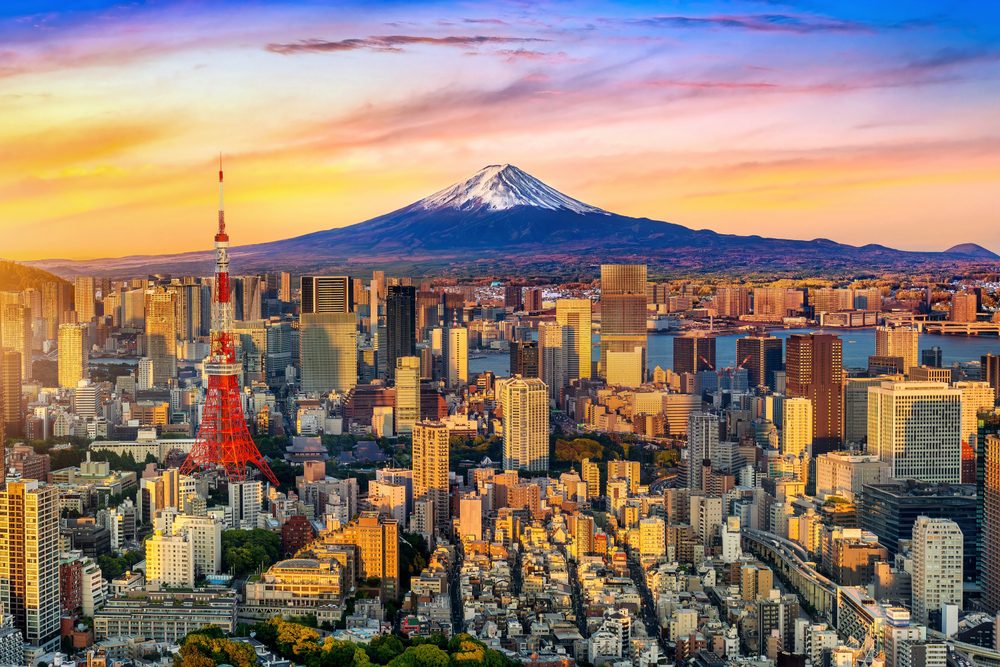
Tokyo isn’t just a city—it’s a dynamic fusion of tradition and innovation. As one of the world’s most populous metropolises, it offers an unparalleled blend of ancient shrines, cutting-edge technology, fashion-forward districts, and culinary excellence. Every neighborhood tells a different story: from the historic charm of Asakusa to the futuristic energy of Odaiba. What makes Tokyo truly unique is its seamless balance—cherry blossoms bloom beside robot restaurants, and centuries-old tea ceremonies coexist with AI-driven convenience stores.
Beyond its visual contrasts, Tokyo excels in hospitality, safety, and efficiency. The public transportation system is among the best globally, crime rates are exceptionally low, and service standards are consistently high. Whether you’re exploring solo, with family, or on a romantic getaway, Tokyo caters to all travel styles. With over 15 million residents and millions of annual visitors, the city thrives on diversity, creativity, and relentless reinvention—making it a must-visit destination in Asia.
Top Must-Visit Places in Tokyo
Tokyo’s neighborhoods each offer distinct vibes and attractions. Start in Shibuya, the heart of youth culture and urban energy. The iconic Shibuya Crossing—often called the busiest pedestrian intersection in the world—is a spectacle not to be missed. Nearby, Hachiko Statue pays tribute to loyalty, while Shibuya Sky offers panoramic city views from its open-air observation deck. For shopping, explore Shibuya 109 for trendy fashion or Parco for art and design.
Next, head to Shinjuku, a district that never sleeps. By day, it’s a business hub with towering skyscrapers; by night, it transforms into a neon-lit playground. Visit the Tokyo Metropolitan Government Building for free skyline views, then dive into the labyrinth of Golden Gai—tiny bars tucked into narrow alleys. Don’t miss Shinjuku Gyoen National Garden, a peaceful escape with over 20,000 trees and seasonal blooms. For nightlife, Kabukicho offers everything from karaoke to themed cafés, though visitors should stay aware of their surroundings.
Historic and Cultural Gems
For a taste of old Tokyo, Asakusa is a must. Home to Senso-ji, Tokyo’s oldest Buddhist temple, this area preserves Edo-era charm. Walk down Nakamise-dori, a bustling shopping street filled with traditional snacks like melon pan and ningyo-yaki. Nearby, the Sumida River offers scenic boat rides and views of Tokyo Skytree—the tallest structure in Japan at 634 meters. Visit during festivals like Sanja Matsuri for a vibrant cultural experience.
Ueno Park is another cultural hub, housing museums, a zoo, and over 1,000 cherry trees. The Tokyo National Museum, Japan’s oldest and largest, showcases samurai armor, ukiyo-e prints, and ancient pottery. In spring, the park becomes a hanami (flower-viewing) hotspot. Nearby Ameya-Yokocho Market offers street food, souvenirs, and a lively atmosphere. For art lovers, the National Museum of Western Art and Ueno Royal Museum are also worth exploring.
Modern Marvels and Unique Experiences
For futuristic fun, visit Odaiba, a man-made island in Tokyo Bay. Attractions include teamLab Borderless (a digital art museum), the life-sized Unicorn Gundam statue, and the Daikanransha Ferris wheel with city views. Palette Town offers shopping and entertainment, while the Miraikan science museum appeals to tech enthusiasts. Odaiba is especially magical at night, with illuminated bridges and waterfront promenades.
Don’t overlook Harajuku, the epicenter of youth fashion and pop culture. Takeshita Street is lined with crepe stands, rainbow wigs, and quirky boutiques. For a calmer experience, visit Meiji Shrine, a serene Shinto sanctuary nestled in a forest just steps from the station. Nearby Omotesando offers high-end shopping and architectural beauty, often compared to Paris’s Champs-Élysées. Harajuku is also home to unique cafés—like cat, owl, and maid cafés—that offer playful, immersive experiences.
Tokyo’s Culinary Scene: A Food Lover’s Paradise
Tokyo is a UNESCO City of Gastronomy, and its food scene is nothing short of legendary. From Michelin-starred restaurants to humble street stalls, the city offers an incredible range of flavors. Sushi is a cornerstone—visit Tsukiji Outer Market for fresh tuna, uni (sea urchin), and tamagoyaki (sweet omelet). While the inner wholesale market moved to Toyosu, the outer market remains a foodie haven with early-morning energy.
For an authentic experience, try kaiseki, a multi-course traditional meal emphasizing seasonal ingredients and artistic presentation. Restaurants like Kikunoi and Ishikawa offer refined kaiseki, but reservations are essential. Alternatively, izakayas—Japanese pubs—serve casual fare like yakitori (grilled skewers), edamame, and sake. Golden Gai in Shinjuku and Nonbei Yokocho in Shibuya are packed with tiny izakayas perfect for mingling.
Must-Try Dishes and Street Eats
No visit is complete without trying ramen. Tokyo-style ramen features soy sauce-based (shoyu) or salt-based (shio) broths with thin noodles. Popular spots include Ichiran (for solo booth dining), Ippudo, and lesser-known gems like Menya Saimi. Each bowl is a masterpiece of balance—rich broth, tender chashu pork, and perfectly cooked noodles.
Takoyaki (octopus balls), okonomiyaki (savory pancakes), and taiyaki (fish-shaped pastries filled with red bean or custard) are beloved street foods. Find them at festivals or stalls in Ameyoko and Harajuku. Don’t miss matcha desserts—try matcha soft serve in Uji or traditional wagashi (Japanese sweets) at tea houses in Asakusa. For a modern twist, visit Nakamura Tokichi or Suzukien for matcha gelato with varying intensity levels.
Dining Etiquette and Tips
Understanding Japanese dining customs enhances your experience. Always say “itadakimasu” before eating and “gochisousama deshita” after—expressions of gratitude. Slurping noodles is not only acceptable but encouraged, as it enhances flavor and shows appreciation. Avoid sticking chopsticks upright in rice, as this resembles a funeral ritual.
Many restaurants operate on a ticket vending machine system—especially ramen and curry shops. Select your dish, pay, and hand the ticket to the staff. Tipping is not customary and can be seen as rude. For high-end dining, dress neatly and arrive on time. Some establishments require reservations months in advance, so plan ahead. Lastly, cash is still king in many small eateries—carry yen, especially in older neighborhoods.
Essential Travel Tips for Navigating Tokyo
Tokyo’s public transportation system is efficient, punctual, and extensive. The JR Yamanote Line circles central Tokyo, connecting major hubs like Shinjuku, Shibuya, Tokyo Station, and Ueno. Purchase a Suica or Pasmo IC card for seamless travel on trains, subways, and buses. These rechargeable cards also work at convenience stores and vending machines.
For longer stays, consider a Tokyo Metro Pass or JR Pass if traveling beyond the city. However, the JR Pass is only cost-effective for multi-city trips. Download transit apps like Google Maps or Japan Transit Planner for real-time schedules and route optimization. Trains stop running around midnight, so plan your return accordingly—taxis are available but expensive.
Language and Communication
While English signage is common in tourist areas, Japanese is the primary language. Learning basic phrases like “sumimasen” (excuse me), “arigatou gozaimasu” (thank you), and “eigo no menyu arimasu ka?” (do you have an English menu?) goes a long way. Many younger locals speak some English, especially in service industries.
Download translation apps like Google Translate or Papago. Offline mode is useful when Wi-Fi is unavailable. Free Wi-Fi is accessible in stations, cafés, and convenience stores, but a pocket Wi-Fi or SIM card ensures constant connectivity. Japan’s mobile carriers offer tourist SIMs at airports, or rent a pocket Wi-Fi device for faster speeds.
Safety, Etiquette, and Cultural Norms
Tokyo is one of the safest cities in the world, with low crime rates and high public trust. However, petty theft can occur in crowded areas—keep valuables secure. Avoid loud conversations on public transport and refrain from eating while walking, as it’s considered impolite.
Shoes are removed before entering homes, traditional inns (ryokan), and some restaurants. Look for shoe racks or slippers provided. Bowing is a common greeting—slight nods suffice for tourists. Public smoking is banned on most streets; use designated smoking areas. Recycling is taken seriously—separate trash into burnable, non-burnable, and recyclable bins.
Best Time to Visit Tokyo and Seasonal Highlights
The ideal time to visit Tokyo depends on your preferences. Spring (March to May) is peak season, with cherry blossoms (sakura) blooming in late March to early April. Parks like Ueno, Chidorigafuchi, and Shinjuku Gyoen host hanami parties, but expect crowds and higher prices. The weather is mild, making it perfect for walking and sightseeing.
Autumn (September to November) offers another stunning season, with vibrant fall foliage (koyo) in places like Meiji Jingu Outer Garden and Rikugien. Temperatures are comfortable, and humidity drops. This is also a great time for food festivals and cultural events. Avoid Golden Week (late April to early May) and Obon (mid-August) when locals travel and accommodations fill up.
Summer and Winter Considerations
Summer (June to August) is hot and humid, with temperatures often exceeding 35°C (95°F). Rainy season (tsuyu) runs from early June to mid-July. Despite the weather, summer festivals like Sumida River Fireworks and Nebuta Matsuri are spectacular. Stay hydrated, wear breathable clothing, and take advantage of indoor attractions.
Winter (December to February) is cold but rarely snowy. Days are short, but Tokyo sparkles with holiday illuminations in areas like Roppongi, Tokyo Midtown, and Marunouchi. New Year (Oshogatsu) is a major holiday—many businesses close, but temples and shrines host Hatsumode (first shrine visit of the year). Winter is also ideal for hot springs (onsen) and hearty dishes like oden and nabe.
Key Takeaways for Your Tokyo Adventure
- Plan your itinerary around neighborhoods—each offers unique experiences, from historic Asakusa to futuristic Odaiba.
- Master public transport with a Suica or Pasmo card and use transit apps for navigation.
- Try diverse foods—from sushi and ramen to street snacks and kaiseki—while respecting dining etiquette.
- Visit during spring or autumn for ideal weather and seasonal beauty, but book early due to high demand.
- Learn basic Japanese phrases and carry cash, as many small vendors don’t accept cards.
- Respect local customs—remove shoes, avoid loud behavior, and follow recycling rules.
- Stay connected with a SIM card or pocket Wi-Fi for seamless communication and navigation.
Conclusion
This Ultimate Travel Guide to Tokyo: Top Places, Food & Travel Tips equips you with everything needed to explore Japan’s capital confidently and authentically. From iconic landmarks and hidden alleys to culinary delights and cultural insights, Tokyo rewards curious travelers with endless discoveries. Whether you’re marveling at cherry blossoms, savoring a bowl of ramen at 2 a.m., or bowing at a centuries-old shrine, the city leaves a lasting impression. With smart planning, cultural awareness, and an open mind, your Tokyo journey will be as enriching as it is unforgettable.
FAQs
What is the best way to get around Tokyo?
The most efficient way to get around Tokyo is by using the extensive public transportation network, including the JR Yamanote Line, Tokyo Metro, and Toei Subway. Purchase a Suica or Pasmo IC card for easy access. Taxis are available but expensive, and walking is ideal for exploring neighborhoods like Harajuku and Asakusa.
Do I need to speak Japanese to travel in Tokyo?
While not required, learning basic Japanese phrases enhances your experience. English is spoken in tourist areas, but many locals appreciate effort. Use translation apps and carry a phrasebook. Signs in stations and major attractions often include English, and staff in hotels and restaurants are generally helpful.
Is Tokyo expensive for tourists?
Tokyo can be pricey, but it offers options for all budgets. High-end dining and accommodations are costly, but affordable street food, capsule hotels, and free attractions (like parks and temples) balance the experience. Convenience stores (konbini) like 7-Eleven and Lawson offer cheap, high-quality meals. With smart choices, Tokyo can be enjoyed on a moderate budget.