







Bangkok, the vibrant capital of Thailand, is a city that pulses with energy, culture, and history. Whether you’re drawn to its golden temples, bustling markets, or world-class street food, exploring the wonders of Bangkok offers an unforgettable journey through one of Asia’s most dynamic destinations. From ancient palaces to modern sky bars, this complete travel guide covers everything you need to know to make the most of your visit. Discover hidden gems, must-see landmarks, local customs, and practical tips to navigate the city like a seasoned traveler.
Why Bangkok Should Be on Every Traveler’s Bucket List
Bangkok stands out as a cultural and culinary crossroads where tradition meets modernity. It’s a city that never sleeps, offering endless experiences for every type of traveler. Whether you’re a history buff, food lover, or adventure seeker, Bangkok delivers with unmatched intensity and authenticity. The city’s rich heritage is evident in its ornate temples, royal palaces, and centuries-old canals, while its contemporary side shines through sleek shopping malls, rooftop lounges, and a thriving arts scene.
What makes exploring the wonders of Bangkok truly special is its accessibility and affordability. Compared to other major global cities, Bangkok offers incredible value for money. You can enjoy a luxurious spa treatment, dine at a Michelin-starred street food stall, or stay in a boutique hotel—all without breaking the bank. The warmth of the Thai people, known for their hospitality and smile, adds a personal touch that transforms a simple trip into a deeply memorable experience.
Top Attractions You Can’t Miss in Bangkok
No visit to Bangkok is complete without seeing the Grand Palace and Wat Phra Kaew, the Temple of the Emerald Buddha. This iconic complex, built in 1782, serves as the spiritual and ceremonial heart of Thailand. The intricate architecture, golden spires, and detailed murals tell stories of Thai mythology and royal history. Visitors are required to dress modestly, and guided tours provide deeper insights into the significance of each structure within the palace grounds.
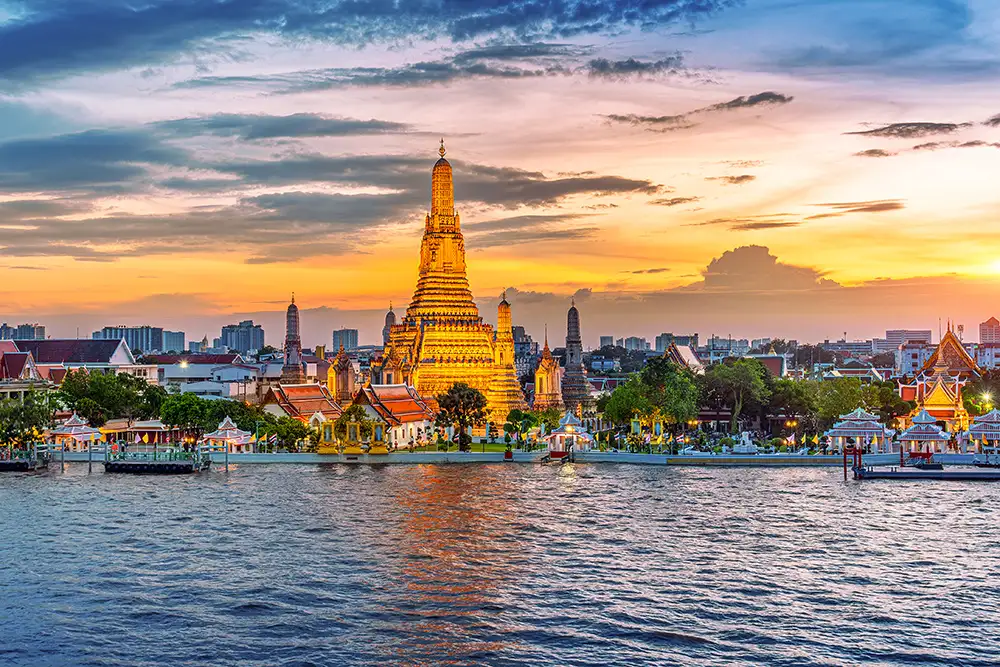
Another must-see is Wat Arun, the Temple of Dawn, located on the west bank of the Chao Phraya River. Best viewed at sunrise or sunset, its central prang (tower) is decorated with colorful porcelain and seashells, creating a dazzling silhouette against the sky. A short ferry ride from the city center brings you to this riverside gem, where you can climb the steep steps for panoramic views of the river and downtown Bangkok. These landmarks are not just tourist spots—they are living centers of worship and cultural pride.
Hidden Gems Beyond the Main Sites
While the Grand Palace and Wat Arun draw crowds, exploring the wonders of Bangkok also means venturing off the beaten path. One such hidden gem is the Artist’s House in Bang Krachao, often called Bangkok’s “green lung.” This tranquil riverside community features art installations, a puppet theater, and peaceful canals perfect for kayaking. It’s a refreshing escape from the urban chaos and offers a glimpse into traditional Thai life.
Another lesser-known treasure is the Bangkokian Museum, a preserved 1930s-era home that showcases the lifestyle of a middle-class Thai family during the early 20th century. Located in the Bang Rak district, it provides a quiet, reflective contrast to the city’s modern bustle. These offbeat destinations allow travelers to experience Bangkok’s depth and diversity beyond the typical tourist trail.
Experiencing Bangkok’s Culinary Scene
Bangkok is a paradise for food lovers, and its street food culture is legendary. From spicy tom yum soup to sweet mango sticky rice, the city’s flavors are bold, balanced, and deeply satisfying. Iconic dishes like pad thai, green curry, and som tam (papaya salad) are available at every corner, often prepared fresh in front of you. The city boasts more than 50,000 street food vendors, earning it a spot on UNESCO’s list of creative cities for gastronomy.
For a truly immersive experience, visit local markets such as Chatuchak Weekend Market or Or Tor Kor Market. These bustling hubs offer not only food but also a sensory overload of sights, sounds, and smells. Try grilled seafood, coconut ice cream, or a refreshing nam tan piphat (Thai-style lemonade) while mingling with locals. Food tours are also popular, guiding visitors through hidden alleyways and family-run stalls that serve authentic, time-honored recipes passed down through generations.
Fine Dining and Rooftop Experiences
While street food defines Bangkok’s culinary identity, the city is also home to world-class fine dining. Restaurants like Gaggan Anand (formerly ranked among Asia’s best) and Sühring offer innovative takes on Thai cuisine using molecular gastronomy and seasonal ingredients. These establishments blend tradition with cutting-edge techniques, creating unforgettable tasting menus that reflect Bangkok’s evolving food culture.
For a different kind of dining experience, head to one of Bangkok’s famous rooftop bars. Vertigo and Moon Bar at Banyan Tree, or Sky Bar at Lebua State Tower, offer breathtaking 360-degree views of the city skyline. Sipping a cocktail as the sun sets over the Chao Phraya River is a quintessential Bangkok moment. These venues combine luxury, ambiance, and stunning vistas, making them perfect for special occasions or romantic evenings.
Navigating Bangkok: Transportation and Getting Around
Bangkok’s transportation network is extensive but can be overwhelming for first-time visitors. The BTS Skytrain and MRT subway system are the most efficient ways to avoid traffic congestion. These elevated and underground lines connect major districts, shopping centers, and tourist attractions, with English signage and easy-to-use ticketing systems. A Rabbit Card or MRT Pass can save time and money for frequent riders.
For shorter distances, tuk-tuks and motorbike taxis offer a fun and fast alternative. While tuk-tuks are more tourist-oriented and often come with higher fares, they provide a memorable ride through narrow streets and bustling neighborhoods. Always negotiate the price before starting your journey. Motorbike taxis, identifiable by their orange vests, are ideal for quick trips but require confidence in navigating Bangkok’s chaotic traffic.
Boats and Ferries: A Unique Way to See the City
One of the most scenic ways to explore Bangkok is by boat along the Chao Phraya River and its network of canals, known as khlongs. The Chao Phraya Express Boat offers an affordable and efficient route between key piers, stopping at major landmarks like Wat Arun, the Grand Palace, and ICONSIAM. It’s a practical mode of transport and a chance to see the city from a different perspective.
For a more leisurely experience, consider a dinner cruise or a long-tail boat tour through the khlongs of Thonburi. These small, traditional boats glide past floating markets, stilt houses, and lush greenery, offering a glimpse into Bangkok’s water-based heritage. The Amphawa Floating Market, just outside the city, is especially popular for evening boat rides and firefly watching.
Cultural Etiquette and Travel Tips for Visitors
Respecting local customs is essential when exploring the wonders of Bangkok. Thais value politeness and harmony, so maintaining a calm demeanor and avoiding public displays of anger is important. The traditional Thai greeting, the wai—placing palms together in a prayer-like gesture—is a sign of respect and is often returned by locals.
Dress codes are particularly important when visiting temples. Both men and women should cover their shoulders and knees. Shoes must be removed before entering temple buildings, and pointing your feet at Buddha images is considered disrespectful. Learning a few basic Thai phrases, such as “sawasdee” (hello) and “khob khun” (thank you), goes a long way in showing appreciation for the culture.
Safety, Health, and Practical Advice
Bangkok is generally safe for tourists, but it’s wise to stay alert in crowded areas and avoid displaying expensive items. Pickpocketing can occur in busy markets and on public transport. Drink only bottled or purified water to avoid stomach issues, and be cautious with raw foods if you have a sensitive digestive system. Pharmacies are widely available, and many medications can be purchased without a prescription.
Weather in Bangkok is hot and humid year-round, with a rainy season from May to October. Light, breathable clothing, sunscreen, and a hat are essential. Air conditioning is common in hotels, malls, and taxis, so layering is recommended. Tipping is not mandatory but appreciated in restaurants and for services like massages and tours.
Shopping and Nightlife in Bangkok
Bangkok is a shopper’s paradise, offering everything from high-end fashion to handmade crafts. Siam Paragon, CentralWorld, and MBK Center are popular malls with international brands, electronics, and dining options. For a more local experience, Chatuchak Weekend Market is one of the largest open-air markets in the world, with over 15,000 stalls selling clothing, antiques, plants, and street food.
Night markets like Asiatique and Talad Rot Fai (Train Market) combine shopping with entertainment, featuring live music, food stalls, and vintage goods. These vibrant spaces come alive after dark and offer a lively atmosphere perfect for evening strolls and spontaneous discoveries. Bargaining is expected in markets, so don’t hesitate to negotiate for a better price.
Bangkok’s Electric Nightlife Scene
When the sun goes down, Bangkok transforms into a city of lights, sounds, and energy. The nightlife ranges from laid-back rooftop bars to high-energy nightclubs. Areas like Sukhumvit, Silom, and RCA (Royal City Avenue) are known for their bars, clubs, and live music venues. Khao San Road, popular with backpackers, offers a more bohemian vibe with street performances and budget-friendly drinks.
For a unique experience, check out a Muay Thai boxing match at Rajadamnern Stadium or enjoy a traditional Thai dance performance at the Siam Niramit theater. These cultural shows provide entertainment while offering insight into Thailand’s artistic heritage. Whether you’re into dancing, drinking, or cultural shows, Bangkok’s nightlife has something for everyone.
Day Trips and Nearby Escapes from Bangkok
While Bangkok itself offers endless attractions, several day trips provide a refreshing change of pace. Ayutthaya, the ancient capital of Thailand, is a UNESCO World Heritage Site located just an hour north of the city. Its ruins—temples with collapsed Buddha heads entwined in tree roots—offer a hauntingly beautiful glimpse into the past. You can reach Ayutthaya by train, bus, or boat.
Another popular escape is Kanchanaburi, known for the Bridge over the River Kwai and its WWII history. The region features waterfalls, national parks, and elephant sanctuaries. The Erawan National Park, with its seven-tiered waterfall, is perfect for hiking and swimming. These destinations allow travelers to experience Thailand’s natural beauty and historical depth beyond the urban landscape.
Floating Markets and Cultural Villages
Floating markets like Damnoen Saduak and Amphawa offer a nostalgic look at traditional Thai commerce. Vendors sell fruits, snacks, and souvenirs from small boats, creating a lively and colorful scene. While some markets are tourist-oriented, they still provide an authentic taste of rural Thai life. Early morning visits are recommended to avoid crowds and enjoy the freshest produce.
Cultural villages such as the Ancient City (Muang Boran) allow visitors to explore scaled-down replicas of Thailand’s most famous landmarks in one expansive park. It’s an educational and family-friendly way to learn about the country’s history and architecture. These day trips enrich your understanding of Thailand’s cultural tapestry and offer a break from city life.
Key Takeaways for Exploring the Wonders of Bangkok
- Must-see landmarks include the Grand Palace, Wat Arun, and Wat Pho, each offering unique historical and spiritual significance.
- Street food is a cornerstone of Bangkok’s culture—don’t miss trying pad thai, tom yum, and mango sticky rice from local vendors.
- Transportation is diverse: use the BTS, MRT, boats, and tuk-tuks to navigate efficiently and experience different facets of the city.
- Cultural respect is essential—dress modestly at temples, learn basic Thai greetings, and follow local customs.
- Nightlife and shopping are vibrant and varied, from rooftop bars to night markets and luxury malls.
- Day trips to Ayutthaya, Kanchanaburi, and floating markets offer enriching escapes from the urban core.
Conclusion
Exploring the wonders of Bangkok is more than just visiting a city—it’s immersing yourself in a rich tapestry of history, flavor, and human connection. From the golden spires of ancient temples to the sizzle of street food stalls, every corner of Bangkok tells a story. This complete travel guide equips you with the knowledge and inspiration to navigate the city confidently, respectfully, and joyfully. Whether you’re here for a weekend or a month, Bangkok promises an adventure that will stay with you long after you’ve returned home.
FAQ
What is the best time to visit Bangkok?
The best time to visit Bangkok is during the cool, dry season from November to February. Temperatures are more comfortable, and rainfall is minimal, making it ideal for sightseeing and outdoor activities. Avoid the hot season (March to May) and the rainy season (June to October) if possible, though travel during these times can be cheaper and less crowded.
Is Bangkok safe for solo travelers?
Yes, Bangkok is generally safe for solo travelers, including women. The city is well-patrolled, and violent crime against tourists is rare. However, it’s important to stay aware of your surroundings, avoid poorly lit areas at night, and use reputable transportation. Joining group tours or staying in well-reviewed accommodations can also enhance safety and comfort.
Do I need to speak Thai to get around Bangkok?
While Thai is the official language, many people in the tourism industry speak basic English. Signs in major areas, transportation hubs, and restaurants often include English translations. Learning a few simple Thai phrases can greatly enhance your experience and show respect for the local culture. Translation apps and phrasebooks are also helpful tools for communication.