









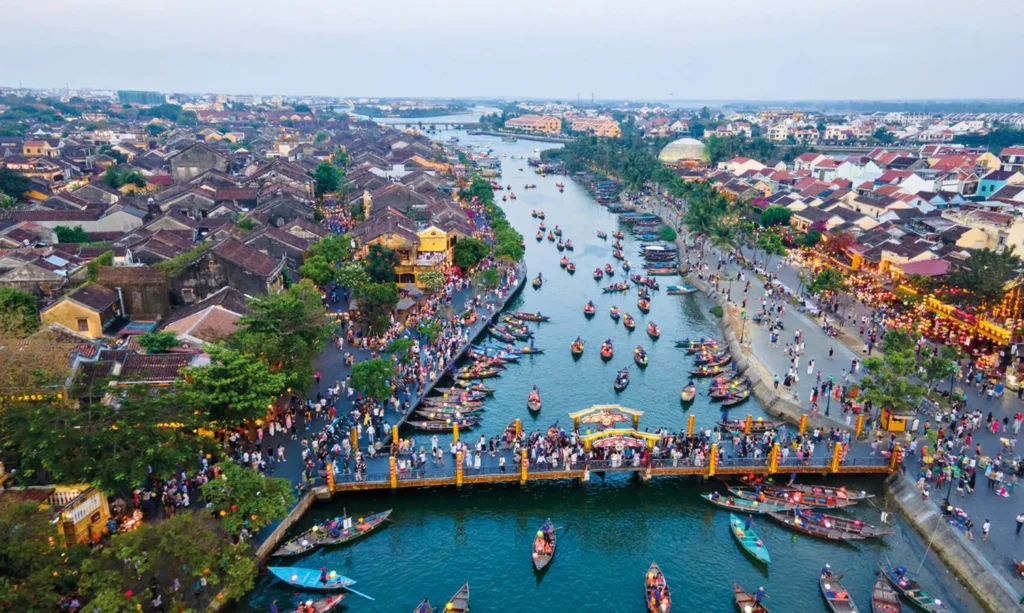
Step into a living postcard where time slows down and every corner tells a story. Exploring the Old Charm of Hoi An means wandering through lantern-lit streets, sipping Vietnamese coffee in centuries-old houses, and feeling the pulse of a UNESCO World Heritage town that has preserved its soul. Nestled along the Thu Bon River in central Vietnam, Hoi An’s ancient quarter blends Chinese, Japanese, French, and Vietnamese influences into a unique cultural mosaic. Whether you’re a history buff, food lover, or simply seeking serenity, this complete travel guide will help you uncover the magic of Hoi An—authentically, deeply, and without missing a beat.
Why Hoi An Captivates Travelers: A Glimpse into Its Timeless Appeal
Hoi An isn’t just a destination—it’s an experience. Once a bustling 15th-century trading port, the town thrived as a melting pot of merchants from across Asia and Europe. Today, its well-preserved architecture, cobblestone alleys, and riverside charm offer a rare window into Vietnam’s past. The Old Town, with its wooden shop houses, ornate temples, and covered bridges, feels like stepping into a historical film set. But beyond its visual beauty, Hoi An exudes a tranquil rhythm. Motorcycles are banned in the historic center, allowing visitors to stroll in peace, soak in the ambiance, and truly connect with the local culture.
What sets Hoi An apart is its ability to balance heritage with modern comfort. While the past is ever-present, the town has embraced sustainable tourism, offering boutique hotels, art galleries, and farm-to-table restaurants. The iconic Japanese Covered Bridge, the vibrant night market, and the riverside dining scene all contribute to its enduring appeal. Whether you’re visiting during the monthly Lantern Festival or simply enjoying a quiet morning by the river, Hoi An’s old charm remains deeply felt—and deeply moving.
Must-Visit Landmarks in Hoi An’s Historic Quarter
The heart of Hoi An lies in its UNESCO-listed Ancient Town, a compact area packed with over 1,000 years of history. Start your journey at the Japanese Covered Bridge, a 400-year-old wooden structure adorned with intricate carvings and a small temple at one end. Legend says it was built by Japanese merchants to connect their community with the Chinese quarter across the stream. Today, it’s one of the most photographed landmarks in Vietnam and a symbol of Hoi An’s multicultural roots. Just steps away, the Assembly Halls—dedicated to Chinese clans like the Fujian, Cantonese, and Hainan communities—offer a glimpse into the social and spiritual life of early traders.
Don’t miss the Phuc Kien Assembly Hall, known for its colorful façade and detailed dragon motifs, or the Quan Cong Temple, a Taoist shrine honoring a revered Chinese general. For a deeper dive into local life, visit the Hoi An Museum of History and Culture, housed in a restored merchant’s home. It showcases artifacts ranging from ancient ceramics to traditional costumes. Wandering through the lantern-lit alleys at night, you’ll pass by centuries-old shophouses converted into cafes, tailors, and art studios—each one a testament to the town’s resilience and charm.
Experiencing Hoi An’s Cultural and Culinary Heritage
Hoi An’s culture is best experienced through its food, crafts, and festivals. The town is a culinary gem, blending Vietnamese, Chinese, and Cham flavors into a unique gastronomic identity. Start your day with cao lầu, a local noodle dish made with thick rice noodles, pork, and herbs, served only in Hoi An due to its special water source. Pair it with a cup of cà phê sữa đá (Vietnamese iced coffee with condensed milk) at a riverside café. For lunch, try bánh mì Phượng, a crispy baguette sandwich filled with pâté, pork, pickled vegetables, and chili—often hailed as the best in Vietnam.
Evening brings the magic of the Hoi An Lantern Festival, held on the 14th day of each lunar month. The town dims its electric lights, and hundreds of silk lanterns glow in the dark, casting a golden hue over the river and streets. Locals release floating lanterns onto the water, making wishes as they drift downstream. Beyond food and festivals, Hoi An is a hub for traditional crafts. Visit the Reaching Out Arts and Crafts workshop, where artisans with disabilities create exquisite lacquerware, silk products, and wood carvings. These experiences don’t just entertain—they preserve and celebrate Hoi An’s living heritage.
Where to Stay: Boutique Stays That Reflect Hoi An’s Old Charm
Accommodation in Hoi An ranges from budget hostels to luxury resorts, but the most authentic stays are found in restored heritage homes. Boutique hotels like Anantara Hoi An Resort and Hoi An Silk Marina Resort & Spa offer riverside views and colonial-era architecture, blending modern amenities with traditional design. For a more intimate experience, consider a homestay in the Old Town or nearby Cam Kim Island. These family-run guesthouses often include home-cooked meals and personalized tours, giving you a true insider’s perspective.
If you prefer tranquility over bustle, stay just outside the historic center. Areas like An Hội or Cam Nam offer quieter streets, lush gardens, and easy access to the river. Many eco-lodges and farm stays provide bicycles for exploring nearby rice paddies and fishing villages. Whichever you choose, prioritize properties that respect Hoi An’s cultural and environmental values. Sustainable tourism is key to preserving the town’s old charm for future generations.
Day Trips and Hidden Gems Beyond the Ancient Town
While Hoi An’s Old Town is mesmerizing, the surrounding countryside holds equally enchanting experiences. A short bike ride or motorbike trip takes you to Tra Que Vegetable Village, where you can join a farming tour, learn about organic herbs, and enjoy a vegetarian lunch made from freshly picked ingredients. Another must-visit is the My Son Sanctuary, a cluster of abandoned Hindu temples built by the Cham civilization between the 4th and 14th centuries. Though partially destroyed by war, the red brick ruins set against lush hills offer a hauntingly beautiful glimpse into Vietnam’s ancient spiritual past.
For beach lovers, An Bang Beach and Cua Dai Beach offer golden sands and calm waters, perfect for swimming or sunbathing. Local seafood restaurants line the shore, serving grilled squid, crab, and fish straight from the boat. If you’re seeking solitude, head to Cam Thanh Coconut Village</>, where you can paddle through narrow waterways in a traditional basket boat and learn about sustainable farming. These day trips not only enrich your journey but also support local communities and preserve the region’s natural and cultural treasures.
Best Time to Visit and Practical Travel Tips
The ideal time to visit Hoi An is during the dry season, from February to April, when temperatures are mild and rainfall is minimal. This period also coincides with the Tet Nguyen Dan (Vietnamese New Year) celebrations, offering a vibrant cultural experience. Avoid the rainy season (September to November), when flooding can disrupt travel and damage infrastructure. If you visit in summer (May to August), expect heat and humidity, but fewer crowds and lower prices.
When planning your trip, consider purchasing a Hoi An Ancient Town entrance ticket (around 120,000 VND), which grants access to five major sites, including museums and assembly halls. Wear comfortable walking shoes, as the cobblestone streets can be uneven. Respect local customs—dress modestly when visiting temples, and ask before photographing people. Finally, support local businesses by shopping at markets, dining at family-run restaurants, and choosing ethical tour operators. These small actions help sustain Hoi An’s old charm and ensure it remains a treasure for years to come.
Key Takeaways
- Hoi An’s Old Town is a UNESCO World Heritage site known for its preserved architecture and multicultural history.
- The Japanese Covered Bridge and Assembly Halls are iconic landmarks that reflect the town’s trading past.
- Local dishes like cao lầu and bánh mì Phượng are culinary must-tries that define Hoi An’s unique flavor profile.
- The monthly Hoi An Lantern Festival transforms the town into a glowing wonderland of silk lanterns.
- Stay in a boutique heritage hotel or homestay to fully immerse yourself in the local culture.
- Day trips to My Son Sanctuary, Tra Que Village, and nearby beaches offer enriching experiences beyond the Old Town.
- Visit between February and April for the best weather and cultural events.
- Support sustainable tourism by choosing ethical accommodations, tours, and local vendors.
Conclusion
Exploring the Old Charm of Hoi An is more than a sightseeing tour—it’s a journey through time, taste, and tradition. From its lantern-lit streets to its riverside cafes, every moment in Hoi An feels like a step into a slower, more thoughtful way of life. The town’s ability to preserve its heritage while embracing modern tourism makes it a model for sustainable travel. Whether you’re marveling at ancient temples, savoring street food, or releasing a lantern into the night, Hoi An leaves an indelible mark on the soul. With this complete travel guide, you’re ready to experience the magic for yourself—authentically, respectfully, and with wonder.
FAQs
What makes Hoi An’s Old Town so special?
Hoi An’s Old Town is a UNESCO World Heritage site renowned for its exceptionally well-preserved architecture, reflecting over 1,000 years of trading history. Its blend of Vietnamese, Chinese, Japanese, and French influences creates a unique cultural landscape, with wooden shophouses, ornate temples, and covered bridges that transport visitors back in time.
When is the best time to see the Hoi An Lantern Festival?
The Hoi An Lantern Festival occurs on the 14th day of each lunar month, typically aligning with the full moon. The most popular time is during the Mid-Autumn Festival (usually September or October), but the monthly event offers a magical atmosphere year-round with glowing silk lanterns and traditional performances.
Is Hoi An safe for solo travelers?
Yes, Hoi An is considered very safe for solo travelers, including women. The town has a low crime rate, friendly locals, and a strong tourism infrastructure. However, it’s always wise to stay aware of your surroundings, especially at night, and avoid walking alone in poorly lit areas outside the main tourist zones.