
Pokhara is more than just a stopover on the way to Everest—it’s a destination where serene lakes meet towering Himalayan peaks and adrenaline-pumping adventures await at every turn. If you’re searching for the ultimate guide to visiting Pokhara, you’ve landed in the right place. This lakeside city in central Nepal offers a rare blend of natural beauty, cultural richness, and outdoor thrills. Whether you’re kayaking across Phewa Lake at sunrise, hiking to World Peace Pagoda, or paragliding over Sarangkot, Pokhara delivers an unforgettable experience. This comprehensive guide covers everything you need to know—from must-see sights and hidden gems to adventure activities and practical travel tips.
Why Pokhara Should Be on Your Travel Bucket List
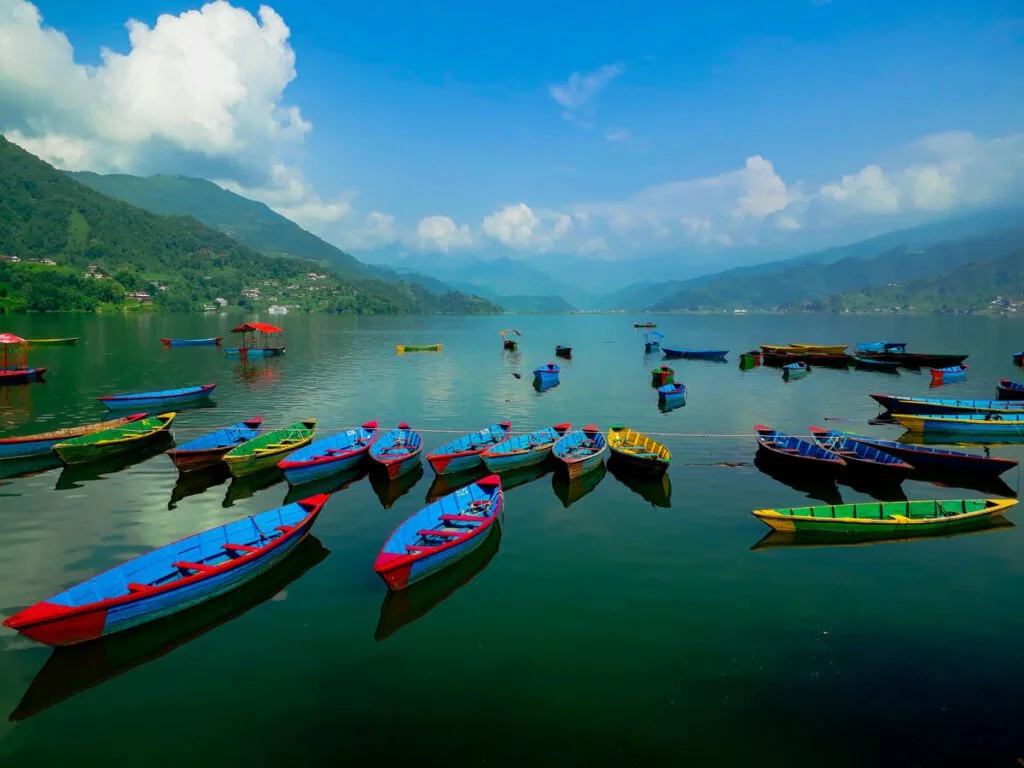
Pokhara stands out as one of Nepal’s most accessible and visually stunning destinations. Nestled at the base of the Annapurna range, it offers panoramic views of snow-capped mountains like Machhapuchhre (Fishtail), Dhaulagiri, and Annapurna I—without requiring a grueling trek. The city’s centerpiece, Phewa Lake, reflects these majestic peaks, creating picture-perfect moments at dawn and dusk. Beyond its scenic allure, Pokhara serves as the gateway to the Annapurna Circuit, making it a hub for trekkers, backpackers, and nature lovers alike.
What truly sets Pokhara apart is its balance of tranquility and excitement. Unlike Kathmandu’s urban chaos, Pokhara offers a laid-back vibe with tree-lined streets, lakeside cafes, and a strong spiritual presence. It’s a place where you can meditate in a Buddhist monastery in the morning and go zip-lining in the afternoon. With its mild climate, diverse cuisine, and welcoming locals, Pokhara appeals to solo travelers, couples, families, and adventure seekers. Whether you’re planning a short getaway or a longer Himalayan journey, Pokhara delivers an experience that’s both rejuvenating and exhilarating.
Top Lakes in Pokhara: Scenic Beauty and Serene Vibes
Phewa Lake is the crown jewel of Pokhara’s water bodies and the most visited lake in the region. Spanning over 1.5 square kilometers, it’s the second-largest lake in Nepal and offers calm waters perfect for boating, kayaking, and paddleboarding. The lake is dotted with small islands, including the famous Tal Barahi Temple, a two-story pagoda dedicated to the Hindu goddess Barahi. Accessible only by boat, the temple adds a spiritual dimension to the lake’s natural beauty. Early morning boat rides are especially magical, as the mist rises off the water and the first rays of sunlight illuminate the surrounding hills.
Beyond Phewa, Pokhara is home to several lesser-known lakes that offer peaceful retreats away from the crowds. Begnas Lake, located about 10 kilometers east of the city, is larger and less developed, making it ideal for nature walks, birdwatching, and quiet picnics. The surrounding farmland and forested hills provide a rustic charm, and the lake is a favorite among local fishermen. Another hidden gem is Rupa Lake, situated in the southern part of Pokhara. Though smaller, it’s rich in biodiversity and surrounded by wetlands that attract migratory birds. Both lakes offer opportunities for cycling, photography, and connecting with rural Nepali life.
Mountain Views and Scenic Lookouts in Pokhara
One of the most compelling reasons to visit Pokhara is its unobstructed views of the Himalayas. Unlike other mountain destinations where peaks are distant or obscured, Pokhara offers front-row seats to some of the world’s highest summits. The Annapurna Massif dominates the northern skyline, with Machhapuchhre’s iconic fishtail shape standing out against the sky. These views are especially dramatic from vantage points like Sarangkot and the World Peace Pagoda, where the mountains appear close enough to touch.
Sarangkot is the most popular viewpoint in Pokhara and a must-visit for sunrise chasers and paragliders. Perched at 1,600 meters above sea level, it offers a 360-degree panorama of the Annapurna range, Phewa Lake, and the Pokhara Valley. The sunrise here is legendary—golden light spills over the peaks, casting long shadows across the landscape. Many travelers hike up early in the morning or take a short jeep ride to catch the spectacle. For those seeking a quieter experience, the hike from Naudanda to Sarangkot offers scenic trails through forests and terraced fields.
The World Peace Pagoda, located on a hilltop across Phewa Lake, is another iconic viewpoint. Built by Japanese Buddhists in the 1970s, this white stupa symbolizes global harmony and offers breathtaking views of the city, lake, and mountains. The pagoda is accessible by a 30-minute boat ride followed by a short hike, or via a longer trek from the lakeside. The site is peaceful and meditative, with prayer flags fluttering in the breeze and monks chanting in the background. It’s an ideal spot for reflection, photography, or simply soaking in the natural grandeur of the Himalayas.
Adventure Activities in Pokhara: Thrills Above and Below
Pokhara is a playground for adventure enthusiasts, offering everything from high-flying paragliding to white-water rafting and mountain biking. Paragliding is arguably the most popular activity, with Sarangkot serving as the primary launch site. Tandem flights with certified pilots allow even beginners to soar above the valley, gliding silently over lakes, forests, and villages. The experience lasts about 20–30 minutes and includes stunning aerial views of the Annapurna range. Many operators also offer video recordings, so you can relive the flight long after you’ve landed.
For those who prefer their adventures on the ground, Pokhara offers excellent trekking and hiking opportunities. The Poon Hill trek, though starting from nearby Ghorepani, is often accessed via Pokhara and rewards hikers with one of the best sunrise views in Nepal. Closer to the city, the hike to Dhampus and Australian Camp provides moderate trails with panoramic mountain vistas. Mountain biking is another favorite, with routes ranging from easy lakeside paths to challenging off-road trails in the hills. Rentals and guided tours are widely available, catering to all skill levels.
Water-based adventures are equally thrilling. White-water rafting on the Seti and Kali Gandaki rivers offers Class II to IV rapids, depending on the season and route. These rivers carve through deep gorges and offer glimpses of remote villages and terraced farms. Kayaking and canoeing on Phewa Lake are more relaxed but equally rewarding, especially at sunrise or sunset. For a unique experience, try canyoning—rappelling down waterfalls and jumping into natural pools in the nearby hills. With so many options, Pokhara ensures that every day can be an adventure.
Cultural and Spiritual Experiences in Pokhara
Beyond its natural and adventure offerings, Pokhara is rich in culture and spirituality. The city is home to a mix of ethnic groups, including Brahmins, Chhetris, Gurungs, and Magars, each contributing to its vibrant traditions. The lakeside area is dotted with temples, monasteries, and shrines, reflecting both Hindu and Buddhist influences. The Bindhyabasini Temple, dedicated to the goddess Durga, is one of the oldest and most revered sites in Pokhara. Locals gather here for festivals, prayers, and rituals, offering visitors a glimpse into Nepali religious life.
Buddhist culture is equally prominent, especially around the World Peace Pagoda and the nearby monasteries in the hills. The International Mountain Museum, located near the airport, showcases the history, culture, and mountaineering achievements of the Himalayan region. It’s a great place to learn about the Sherpa community, famous expeditions, and the challenges of high-altitude living. The museum also features exhibits on flora, fauna, and traditional lifestyles, making it both educational and engaging.
For a deeper cultural immersion, consider visiting a local village or participating in a homestay. Communities like Hemja and Bhadaure offer authentic experiences, where you can learn traditional cooking, try on local attire, and join in festivals. The Teej festival, celebrated by Hindu women, and Losar, the Tibetan New Year, are particularly vibrant events. These experiences not only enrich your trip but also support sustainable tourism and local economies. Pokhara’s cultural depth ensures that your visit is about more than just sightseeing—it’s about connection and understanding.
Practical Tips for Visiting Pokhara
When planning your trip to Pokhara, timing is key. The best months to visit are October to November and February to April, when the weather is clear, temperatures are mild, and mountain views are at their best. The monsoon season (June to September) brings heavy rains and cloudy skies, which can obscure the Himalayas and make outdoor activities difficult. Winter (December to January) is cold but dry, with crisp mornings and sunny days—ideal for sightseeing and light trekking.
Getting to Pokhara is straightforward. Most international travelers fly into Tribhuvan International Airport in Kathmandu and then take a domestic flight to Pokhara’s airport, which takes about 25 minutes. Alternatively, you can take a scenic 6–7 hour bus ride from Kathmandu, though road conditions can vary. Once in Pokhara, local transportation includes taxis, motorbike rentals, and bicycles. The lakeside area is walkable, but a scooter or bike gives you more freedom to explore nearby villages and viewpoints.
Accommodation in Pokhara ranges from budget guesthouses to luxury resorts, with most options clustered around Phewa Lake. Staying in the lakeside area puts you close to restaurants, shops, and tour operators. For a quieter experience, consider lodging in the hills or near Begnas Lake. Always book in advance during peak season. As for food, Pokhara offers a diverse culinary scene—from traditional Nepali dal bhat to international cuisine, including Italian, Israeli, and Indian. Don’t miss trying momos (dumplings) and Newari snacks at local eateries.
Key Takeaways
- Pokhara is a must-visit destination for travelers seeking a mix of natural beauty, adventure, and culture in Nepal.
- The city is famous for Phewa Lake, offering boating, kayaking, and stunning reflections of the Annapurna range.
- Top viewpoints like Sarangkot and the World Peace Pagoda provide unparalleled mountain vistas and sunrise experiences.
- Adventure activities include paragliding, trekking, rafting, and mountain biking, catering to all thrill levels.
- Cultural sites such as Bindhyabasini Temple and the International Mountain Museum offer insight into local traditions and history.
- The best time to visit is October–November and February–April for clear skies and ideal weather.
- Travelers can reach Pokhara by domestic flight or bus from Kathmandu, with plenty of local transport options available.
Conclusion
Pokhara is a destination that truly has it all—crystal-clear lakes, snow-capped mountains, heart-pounding adventures, and deep cultural roots. Whether you’re gliding above the valley in a paraglider, meditating at a hilltop pagoda, or savoring a bowl of momos by the lake, every moment in Pokhara feels like a postcard come to life. This ultimate guide to visiting Pokhara equips you with everything you need to plan a seamless and enriching trip. From practical travel tips to hidden gems and must-do activities, Pokhara promises an experience that’s as diverse as it is unforgettable. So pack your bags, lace up your boots, and get ready to discover one of Nepal’s most captivating cities.
FAQs
What is the best time to visit Pokhara?
The best time to visit Pokhara is during the post-monsoon season from October to November and the pre-monsoon period from February to April. These months offer clear skies, stable weather, and the best views of the Himalayas. Avoid the monsoon (June–September) due to heavy rains and poor visibility.
Is Pokhara safe for solo travelers?
Yes, Pokhara is generally very safe for solo travelers, including women. The city is tourist-friendly, with a strong presence of police and travel agencies. However, it’s always wise to stay aware of your surroundings, avoid isolated areas at night, and keep your belongings secure.
Do I need a permit to visit Pokhara?
No special permit is required to visit Pokhara city itself. However, if you plan to trek in the Annapurna region, you’ll need a TIMS (Trekkers’ Information Management System) card and an Annapurna Conservation Area Permit (ACAP), which can be obtained in Kathmandu or Pokhara.