



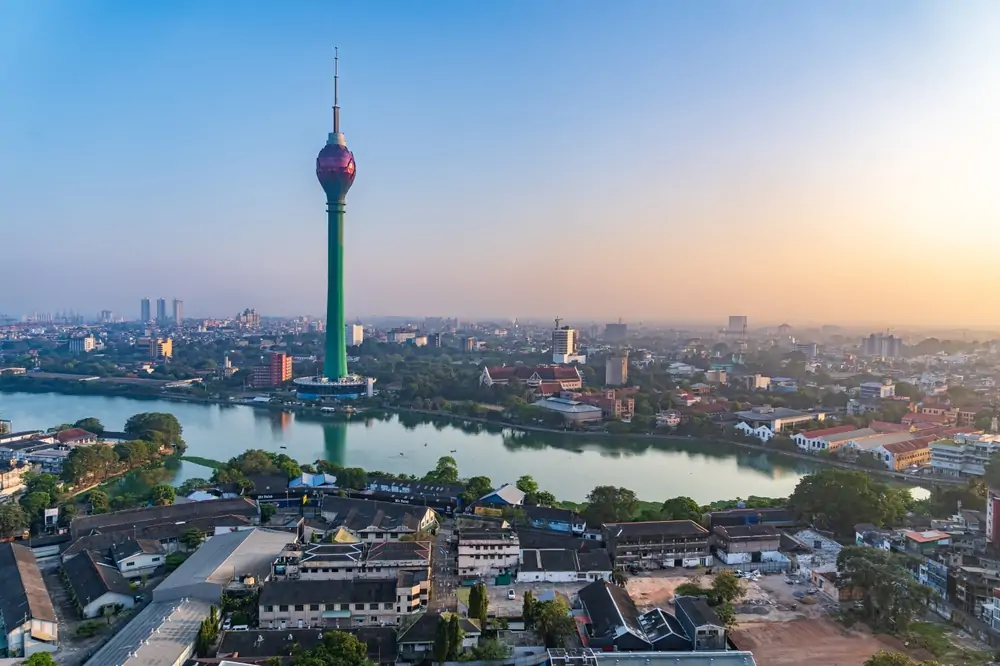
Colombo, the vibrant commercial capital of Sri Lanka, is a dynamic blend of colonial charm, modern energy, and cultural richness. Whether you’re a first-time visitor or a seasoned traveler, exploring the top attractions and travel tips for Colombo ensures a seamless and unforgettable experience. From historic landmarks and bustling markets to serene temples and coastal views, Colombo offers something for every kind of traveler. This guide dives deep into the must-see sights, hidden gems, and essential advice to help you make the most of your time in this tropical metropolis.
Why Colombo Should Be on Your Travel Radar
Colombo is more than just a stopover on the way to Sri Lanka’s hill country or beaches—it’s a destination in its own right. As the island’s largest city, it serves as a cultural, economic, and historical hub, offering a fascinating mix of old and new. The city’s colonial architecture, influenced by Portuguese, Dutch, and British rule, stands alongside gleaming skyscrapers and modern shopping malls. This unique juxtaposition creates a layered urban experience that appeals to history buffs, food lovers, and urban explorers alike.
Beyond its architectural diversity, Colombo is a gateway to understanding Sri Lankan culture. The city pulses with life through its street food, local festivals, and warm hospitality. Whether you’re sipping fresh king coconut water by the Galle Face Green promenade or bargaining for spices at the Pettah Market, Colombo immerses you in authentic Sri Lankan life. With its strategic location, excellent transport links, and range of accommodations, it’s the perfect starting point for any Sri Lankan adventure.
Top Attractions in Colombo You Can’t Miss
Galle Face Green
One of Colombo’s most iconic landmarks, Galle Face Green is a sprawling urban park stretching along the Indian Ocean coastline. Originally created by the British in the 19th century as a promenade for colonial elites, it’s now a beloved public space where locals and tourists gather to unwind. At sunset, the area comes alive with street vendors selling snacks like isso wade (shrimp fritters) and kokis (crispy rice flour cookies), while families fly kites and children play on the grass.
Visiting Galle Face Green offers more than just scenic views—it’s a cultural experience. The sea breeze, the sound of waves, and the vibrant street life create a uniquely Colombo atmosphere. It’s also a great spot for photography, especially during golden hour. For travelers seeking relaxation after a day of sightseeing, this open space provides a refreshing escape from the city’s hustle.
Pettah Market
For a true taste of local life, a visit to Pettah Market is essential. This chaotic yet captivating bazaar is the commercial heart of Colombo, where narrow lanes overflow with stalls selling everything from spices and textiles to electronics and fresh produce. The market’s energy is infectious—vendors call out prices, rickshaws weave through crowds, and the aroma of cardamom, cinnamon, and turmeric fills the air.
Exploring Pettah requires patience and a sense of adventure. Start early to avoid the midday heat and crowds. Don’t miss the iconic red-and-white Jami Ul-Alfar Mosque, a striking landmark that stands out amidst the market’s chaos. Bargaining is expected, so come prepared to negotiate. Pettah is not just a shopping destination—it’s a window into Colombo’s trading heritage and daily rhythms.
Gangaramaya Temple
A spiritual and architectural gem, Gangaramaya Temple is one of Colombo’s most revered Buddhist sites. Located near Beira Lake, this temple complex blends traditional Sri Lankan, Thai, Indian, and Chinese architectural styles. Its main shrine houses a massive Buddha statue, while the surrounding grounds feature a museum, a library, and a boathouse.
What sets Gangaramaya apart is its role as a center for learning and charity. The temple runs schools, vocational training programs, and a home for the elderly. Visitors are welcome to explore the serene courtyards, light incense, and observe meditation sessions. The temple also hosts the annual Navam Perahera, a grand procession with dancers, drummers, and caparisoned elephants—definitely worth planning your trip around if possible.
National Museum of Colombo
History enthusiasts will appreciate the National Museum of Colombo, housed in a grand neoclassical building from 1877. The museum showcases Sri Lanka’s rich heritage through artifacts spanning over 2,000 years, including royal regalia, ancient manuscripts, traditional masks, and archaeological finds.
The highlight is the throne and crown of the last king of Kandy, a poignant symbol of the island’s transition from monarchy to colonial rule. The museum also features exhibits on natural history, including taxidermied animals and geological specimens. While the displays could benefit from modernization, the museum remains a valuable resource for understanding Sri Lanka’s past. Allow at least two hours to explore the main galleries thoroughly.
Viharamahadevi Park
Named after a legendary Sinhalese queen, Viharamahadevi Park is Colombo’s largest public park and a green oasis in the city center. With lush lawns, flowering trees, and a small zoo, it’s a favorite spot for jogging, picnics, and family outings. The park features a statue of Queen Viharamahadevi and a bandstand that occasionally hosts cultural performances.
It’s an ideal place to recharge between sightseeing stops. Locals often bring mats to relax on the grass, and food vendors line the perimeter, offering snacks and cold drinks. The park is especially lively on weekends, with children playing and musicians performing. For a peaceful escape from Colombo’s urban intensity, Viharamahadevi Park delivers both beauty and tranquility.
Essential Travel Tips for Visiting Colombo
Best Time to Visit
The ideal time to visit Colombo is during the dry season, from December to March. During these months, rainfall is minimal, and temperatures range comfortably between 25°C and 30°C (77°F–86°F). This period also coincides with several cultural festivals, including Thai Pongal and Navam Perahera, offering unique opportunities to experience local traditions.
Avoid the monsoon season from May to September, especially if you plan to explore outdoor attractions. Heavy rains can disrupt travel plans and make streets flood-prone. However, if you’re flexible and don’t mind occasional showers, visiting during the off-season can mean fewer crowds and lower accommodation prices.
Getting Around the City
Colombo’s public transport system includes buses, trains, and three-wheelers (tuk-tuks). While buses are affordable, they can be crowded and confusing for first-time visitors. Trains are efficient for longer journeys, such as trips to Mount Lavinia or Negombo, but less practical for city navigation.
Tuk-tuks are the most convenient way to get around Colombo. Always negotiate the fare before starting your journey or insist on using the meter. Ride-hailing apps like PickMe and Uber are also widely available and offer transparent pricing. For a more comfortable experience, consider hiring a private driver for day tours—many hotels can arrange this service.
Where to Stay
Colombo offers a wide range of accommodations, from luxury hotels to budget guesthouses. The Fort and Pettah areas are ideal for first-time visitors due to their proximity to major attractions, restaurants, and transport hubs. Upscale options like The Kingsbury and Cinnamon Grand offer ocean views and world-class amenities.
For a more local experience, consider staying in neighborhoods like Cinnamon Gardens or Kollupitiya, known for their tree-lined streets, colonial bungalows, and boutique cafes. Backpackers will find affordable hostels and homestays in areas like Dehiwala and Wellawatte. Book in advance during peak season to secure the best rates.
Food and Dining
Colombo is a food lover’s paradise, offering a mix of traditional Sri Lankan cuisine and international flavors. Must-try dishes include kottu roti (chopped flatbread with vegetables and meat), hoppers (bowl-shaped pancakes), and lamprais (rice and curry wrapped in banana leaves). Street food is safe and delicious—just choose busy stalls with high turnover.
For a fine dining experience, visit restaurants like Ministry of Crab (famous for its mud crab) or The Gallery Café (set in a converted art gallery). Vegetarian and vegan options are widely available, especially in areas with large Buddhist and Hindu communities. Don’t forget to try fresh tropical fruits like mango, papaya, and rambutan from local markets.
Safety and Etiquette
Colombo is generally safe for tourists, but standard precautions apply. Avoid walking alone at night in poorly lit areas, and keep valuables secure. Petty theft, such as pickpocketing in crowded markets, can occur, so stay alert.
Respect local customs, especially when visiting religious sites. Dress modestly—cover shoulders and knees—and remove shoes before entering temples. When photographing people, always ask for permission. Tipping is appreciated but not mandatory; 10% is standard in restaurants and for tour guides.
Hidden Gems and Off-the-Beaten-Path Experiences
Seema Malaka Temple
Tucked away on a tranquil island in the middle of Beira Lake, Seema Malaka Temple is a serene retreat designed by renowned architect Geoffrey Bawa. Unlike traditional temples, it features open pavilions connected by wooden walkways, blending seamlessly with the water and sky. The peaceful atmosphere makes it ideal for meditation and quiet reflection.
Accessible by a short boat ride from the mainland, the temple is often overlooked by tourists, offering a rare moment of calm in the bustling city. It’s also a great spot for birdwatching, as herons, egrets, and kingfishers frequent the lake. Visit early morning or late afternoon for the best light and fewer crowds.
Colombo Dutch Hospital
One of the oldest buildings in Colombo, the Dutch Hospital has been beautifully restored into a shopping and dining precinct. Built during the Dutch colonial era in the 17th century, it now houses boutique stores, cafes, and restaurants in a charming courtyard setting.
It’s a perfect place to enjoy a cup of Ceylon tea, shop for handmade jewelry, or dine al fresco. The architecture—whitewashed walls, arched doorways, and tiled floors—transports you back in time. The Dutch Hospital is especially lively in the evenings, with live music and a relaxed vibe.
Mount Lavinia Beach
Just a 20-minute drive from the city center, Mount Lavinia Beach offers a refreshing escape from Colombo’s urban landscape. Once the seaside retreat of British governors, it’s now a popular spot for locals and tourists alike. The beach is ideal for swimming, sunbathing, and watching fishermen haul in their catch at dawn.
The Mount Lavinia Hotel, a colonial-era landmark, overlooks the beach and is worth a visit even if you’re not staying there. The sunset views are spectacular, and the sea breeze makes it a pleasant place to unwind. For a quieter experience, visit on weekdays or early in the morning.
Key Takeaways for Travelers
- Colombo is a cultural and historical hub with a mix of colonial architecture, vibrant markets, and spiritual sites.
- Top attractions include Galle Face Green, Pettah Market, Gangaramaya Temple, and the National Museum.
- The best time to visit is December to March for dry weather and cultural festivals.
- Use tuk-tuks or ride-hailing apps for convenient and affordable transportation.
- Respect local customs when visiting temples and interacting with locals.
- Try local street food like kottu roti and hoppers for an authentic taste of Sri Lanka.
- Explore hidden gems like Seema Malaka Temple and the Dutch Hospital for unique experiences.
Frequently Asked Questions About Colombo
What is the best way to get from Colombo Airport to the city center?
The most convenient option is to take a pre-paid taxi or use a ride-hailing app like PickMe or Uber. The journey takes about 30–45 minutes, depending on traffic. Public buses and trains are available but less practical for travelers with luggage.
Is Colombo safe for solo female travelers?
Yes, Colombo is generally safe for solo female travelers, especially in well-lit, populated areas. Dress modestly, avoid walking alone at night, and use trusted transport options. Many women travel independently in Colombo without issues.
Do I need to tip in Colombo?
Tipping is not mandatory but appreciated. In restaurants, a 10% tip is standard if service charge is not included. For tour guides, drivers, and hotel staff, small tips are a kind gesture for good service.
Conclusion
Colombo is a city of contrasts—where ancient temples stand beside modern skyscrapers, and bustling markets thrive alongside peaceful parks. Whether you’re drawn to its rich history, vibrant culture, or culinary delights, the top attractions and travel tips for Colombo ensure a rewarding and immersive experience. From the lively streets of Pettah to the serene shores of Mount Lavinia, every corner of this city tells a story. With the right preparation and an open mind, your visit to Colombo will be as enriching as it is enjoyable. Start planning your journey today and discover why this tropical metropolis continues to captivate travelers from around the world.