




Looking for the ultimate Kuala Lumpur travel guide that covers everything you need to see and do in Malaysia’s vibrant capital? You’ve found it. Kuala Lumpur blends modern skyscrapers with rich cultural heritage, offering an unforgettable mix of attractions, food, shopping, and history. Whether you’re a first-time visitor or returning to explore deeper, this guide delivers practical insights and must-visit spots to help you make the most of your trip. From iconic landmarks to hidden local gems, we’ve curated a comprehensive itinerary tailored to every traveler’s interests.
Top Attractions in Kuala Lumpur You Can’t Miss
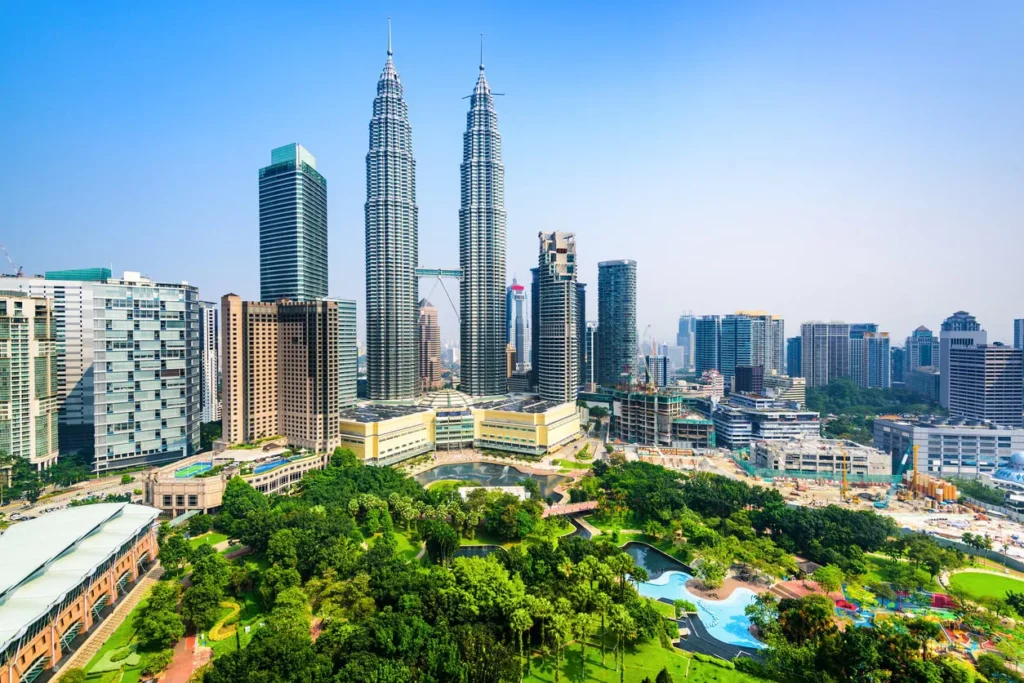
Kuala Lumpur is home to some of Southeast Asia’s most recognizable landmarks, and no visit is complete without seeing them. The Petronas Twin Towers dominate the skyline and remain the city’s most photographed symbol. Standing at 452 meters, these twin skyscrapers were once the tallest buildings in the world and still offer breathtaking views from their Skybridge and observation deck. Visitors can book tickets in advance to avoid long queues, especially during peak seasons.
Just a short walk away, the KL Tower provides another panoramic vantage point, often less crowded than the Twin Towers. Its rotating restaurant and open-air deck make it ideal for sunset viewing. Nearby, the Merdeka Square marks the historic site where Malaysia declared independence in 1957. Surrounded by colonial-era buildings like the Sultan Abdul Samad Building, it’s a powerful reminder of the nation’s journey to sovereignty.
Exploring Kuala Lumpur’s Cultural and Historical Sites
Kuala Lumpur’s cultural diversity shines through its temples, mosques, and museums. The Batu Caves, located about 13 kilometers north of the city center, is a limestone hill featuring a series of caves and Hindu shrines. The towering 42.7-meter-tall statue of Lord Murugan at the entrance is a sight to behold, especially during the Thaipusam festival when thousands of devotees gather in devotion.
In the heart of the city, the National Mosque (Masjid Negara) showcases modern Islamic architecture with its striking umbrella-like dome. Non-Muslim visitors are welcome outside prayer times, provided they dress modestly. For a deeper dive into local history, the Islamic Arts Museum Malaysia houses one of the finest collections of Islamic artifacts in the world, including intricate manuscripts, textiles, and architectural models.
Best Neighborhoods to Explore in Kuala Lumpur
Each neighborhood in Kuala Lumpur offers a unique flavor and experience. Bukit Bintang is the city’s entertainment and shopping hub, packed with malls like Pavilion KL and Lot 10, as well as lively street food stalls along Jalan Alor. It’s perfect for travelers who love urban energy, nightlife, and retail therapy. The area is also well-connected by public transport, making it easy to navigate.
Chinatown, centered around Petaling Street, is a bustling enclave of souvenir shops, herbal medicine stores, and authentic hawker food. While it can be crowded, it’s a great place to hunt for bargains and sample local delicacies like char kway teow and Hokkien mee. For a more laid-back vibe, head to Kampung Baru, a traditional Malay village surrounded by modern development. Here, you can experience rural charm with wooden houses, local markets, and traditional cuisine served at open-air restaurants.
Titiwangsa offers a quieter escape with its scenic lake park and proximity to the Titiwangsa Mountains. It’s ideal for morning joggers, families, and nature lovers. Meanwhile, Bangsar is known for its trendy cafes, boutique stores, and expatriate-friendly atmosphere. The area blends suburban comfort with urban convenience, making it a favorite among long-term visitors and digital nomads.
Food and Dining: A Culinary Journey Through Kuala Lumpur
Kuala Lumpur is a food lover’s paradise, offering a mouthwatering blend of Malay, Chinese, Indian, and Peranakan flavors. Street food is not just affordable—it’s exceptional. Jalan Alor comes alive at night with sizzling grills, neon lights, and the aroma of satay, grilled squid, and chili crab. Don’t miss trying nasi lemak, Malaysia’s national dish, served with coconut rice, anchovies, peanuts, and spicy sambal.
For a more refined experience, head to the city’s growing fine dining scene. Restaurants like Dewakan and Enak KL elevate local ingredients into contemporary masterpieces, blending tradition with innovation. Vegetarian and halal options are widely available, reflecting the city’s multicultural fabric. Don’t forget to try local drinks like teh tarik (pulled tea) and air bandung (rose syrup with milk) to complete your culinary adventure.
Food courts in major malls such as Suria KLCC and Mid Valley Megamall offer a safe and clean environment to sample a variety of dishes under one roof. They’re especially useful for families or travelers with dietary restrictions. For a truly local experience, visit morning markets like the one in Taman Connaught, where fresh produce, snacks, and breakfast staples are sold at unbeatable prices.
Shopping in Kuala Lumpur: From Malls to Markets
Shopping in Kuala Lumpur caters to every budget and style. High-end fashion lovers will appreciate the luxury boutiques in Pavilion KL and Starhill Gallery, where international brands like Louis Vuitton, Gucci, and Prada have flagship stores. These malls also feature gourmet food halls, cinemas, and art installations, making them destinations in their own right.
For bargain hunters, Central Market and Petaling Street are must-visits. Central Market offers locally made crafts, batik prints, and souvenirs in a heritage building that celebrates Malaysian culture. Petaling Street, though touristy, still holds charm with its knock-off goods, vintage finds, and lively haggling culture. Night markets (pasar malam) pop up in different neighborhoods each evening, selling everything from clothing to electronics at discounted rates.
Don’t overlook specialty shopping areas like Jalan Hang Jebat (formerly known as Jonker Walk) in nearby Malacca-style precincts, or the emerging design district in Publika, which features independent boutiques, art galleries, and creative startups. Whether you’re looking for branded goods, handmade crafts, or unique gifts, Kuala Lumpur delivers a shopping experience as diverse as its people.
Getting Around Kuala Lumpur: Transportation Tips
Kuala Lumpur has a well-developed public transportation system that makes getting around easy and affordable. The Light Rail Transit (LRT), Monorail, and Mass Rapid Transit (MRT) lines connect major tourist areas, shopping districts, and residential zones. The Go KL City Bus offers free rides within the city center, with routes covering key attractions like Merdeka Square, KL Tower, and Bukit Bintang.
For short distances, ride-hailing apps like Grab are widely used and often cheaper than taxis. Always confirm the fare before starting your trip to avoid surprises. Taxis are available but can be inconsistent in using meters, so it’s best to negotiate or use a metered service. Walking is feasible in compact areas like the Golden Triangle, but be mindful of traffic and heat—especially between 11 a.m. and 3 p.m.
Car rentals are available but not recommended for city exploration due to traffic congestion and limited parking. However, they can be useful for day trips to nearby destinations like the Batu Caves, Genting Highlands, or Sunway Lagoon. Always carry your international driving permit and familiarize yourself with local traffic rules, including driving on the left side of the road.
Day Trips and Excursions from Kuala Lumpur
Kuala Lumpur’s central location makes it an excellent base for exploring surrounding regions. A popular day trip is to the Genting Highlands, a hill resort known for its casino, theme park, and cool climate. Accessible via a scenic cable car ride, it’s a favorite escape from the city’s heat. Tickets can be purchased online, and combo packages often include meals and attractions.
Another must-do excursion is to the historic city of Malacca, a UNESCO World Heritage Site about two hours away by car or bus. Known for its colonial architecture, Jonker Street night market, and Portuguese Square, Malacca offers a glimpse into Malaysia’s multicultural past. Many tour operators offer guided day trips with hotel pickups, making it hassle-free for travelers.
For nature lovers, the Kuala Selangor Fireflies Tour is a magical experience. Located about an hour from the city, this evening boat ride takes you through mangrove rivers illuminated by thousands of glowing fireflies. It’s a serene and romantic outing, best enjoyed during the dry season from March to October. Combine it with a visit to the Kuala Selangor Nature Park for birdwatching and scenic views.
Accommodation Options: Where to Stay in Kuala Lumpur
Kuala Lumpur offers a wide range of accommodations to suit every traveler’s needs and budget. Luxury seekers can choose from five-star hotels like The Ritz-Carlton, Shangri-La, and Traders Hotel, many of which offer stunning city views, rooftop pools, and fine dining. These properties are typically located in the Golden Triangle, close to shopping and dining hubs.
Budget travelers will find plenty of options in hostels, guesthouses, and budget hotels, especially in areas like Chinatown and Bukit Bintang. Many offer clean, safe, and centrally located rooms with free Wi-Fi and breakfast. Mid-range hotels like Hotel Stripes and The Face Suites provide excellent value with modern amenities and stylish interiors.
For a unique stay, consider boutique hotels in neighborhoods like Bangsar or Titiwangsa. These often feature local art, personalized service, and a more intimate atmosphere. Airbnb is also popular, offering everything from private rooms to entire apartments. Always read recent reviews and check proximity to public transport when booking.
Best Time to Visit Kuala Lumpur
The best time to visit Kuala Lumpur is during the dry season, from December to February and June to August. These months offer lower humidity and fewer rain showers, making outdoor exploration more comfortable. However, they are also peak tourist periods, so expect higher prices and larger crowds at major attractions.
The rainy season, from March to May and September to November, brings frequent afternoon thunderstorms, but they usually pass quickly. Traveling during this time can mean lower accommodation rates and fewer tourists. Just be prepared with an umbrella and flexible plans. Avoid major holidays like Hari Raya, Chinese New Year, and Deepavali, when many businesses close and travel can be hectic.
Regardless of when you visit, Kuala Lumpur’s indoor attractions—like malls, museums, and food courts—provide reliable shelter from the weather. Planning your itinerary with a mix of indoor and outdoor activities ensures a smooth and enjoyable trip year-round.
Safety and Practical Tips for Travelers
Kuala Lumpur is generally safe for tourists, with low crime rates in well-lit, populated areas. However, petty theft such as pickpocketing and bag snatching can occur in crowded places like markets and public transport. Stay alert, keep valuables secure, and avoid displaying expensive items openly.
Dress modestly when visiting religious sites, covering shoulders and knees. Public displays of affection are frowned upon in conservative areas. Tipping is not expected but appreciated for exceptional service. Most restaurants and hotels include a 10% service charge in the bill.
Stay hydrated and use sunscreen, as the tropical climate can be intense. Tap water is not recommended for drinking—opt for bottled water instead. Download useful apps like Grab, Google Maps, and KL Travel Pass for navigation and convenience. Always carry a copy of your passport and emergency contact information.
Key Takeaways
- Kuala Lumpur offers a dynamic mix of modern attractions, cultural heritage, and culinary delights.
- Must-see landmarks include the Petronas Twin Towers, Batu Caves, and Merdeka Square.
- Explore diverse neighborhoods like Bukit Bintang, Chinatown, and Kampung Baru for unique experiences.
- Street food is a highlight—try nasi lemak, satay, and teh tarik at local hawker centers.
- Use public transport or Grab for easy and affordable travel around the city.
- Plan day trips to Genting Highlands, Malacca, or Kuala Selangor for added adventure.
- Book accommodations based on your budget and preferred location—central areas offer the best access.
- Visit during the dry season for the most comfortable weather, but be prepared for crowds.
- Stay safe by being aware of your surroundings and respecting local customs.
Conclusion
Kuala Lumpur is more than just a stopover—it’s a destination brimming with energy, culture, and unforgettable experiences. This ultimate Kuala Lumpur travel guide equips you with everything you need to explore the city like a local, from iconic sights to hidden corners. Whether you’re marveling at skyline views, savoring street food, or wandering through historic streets, Kuala Lumpur promises a journey rich in discovery. With smart planning and an open mind, your trip will be as rewarding as it is memorable.
FAQs
What is the best way to get from Kuala Lumpur International Airport to the city center?
The KLIA Ekspres train is the fastest and most convenient option, taking about 28 minutes to reach KL Sentral. Alternatively, you can take a taxi or use Grab, which takes around 45–60 minutes depending on traffic. The airport bus is a budget-friendly choice but takes longer.
Is Kuala Lumpur safe for solo female travelers?
Yes, Kuala Lumpur is generally safe for solo female travelers. Stick to well-lit, busy areas, especially at night, and use trusted transport options like Grab. Dress modestly in conservative areas and trust your instincts when navigating unfamiliar places.
Do I need to speak Malay to get around Kuala Lumpur?
No, English is widely spoken in Kuala Lumpur, especially in tourist areas, hotels, and restaurants. Most signs are bilingual, and locals are generally helpful. Learning a few basic Malay phrases like “terima kasih” (thank you) can enhance your experience.