


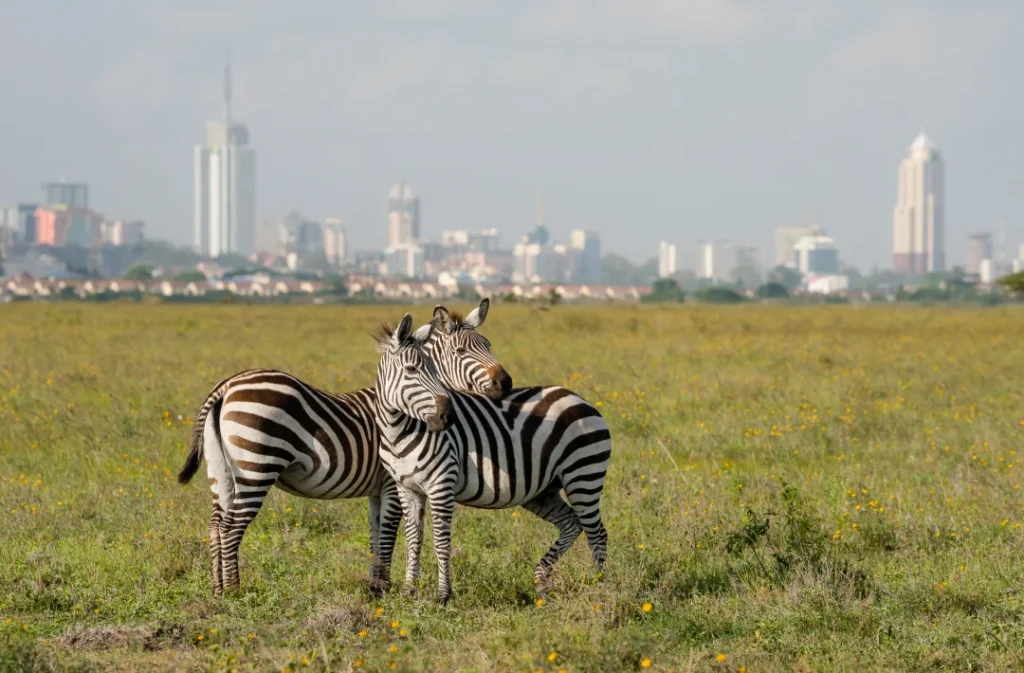
Looking for the ultimate guide to Kenya that combines thrilling safari adventures with authentic cultural experiences? You’ve found it. Kenya is more than just a destination—it’s a sensory journey through vast savannas, ancient traditions, and wildlife encounters that feel almost mythical. From the Great Migration in the Maasai Mara to immersive visits with local communities, this East African gem offers a rare blend of natural wonder and human connection. Whether you’re a first-time traveler or a seasoned explorer, this comprehensive guide will help you plan an unforgettable trip centered around Kenya’s most iconic safari adventures and deeply rooted cultural experiences.
Why Kenya Is the Ultimate Safari Destination
Kenya stands as one of the world’s premier safari destinations, and for good reason. Its diverse ecosystems—from the sweeping plains of the Maasai Mara to the volcanic highlands of Laikipia—support an extraordinary array of wildlife. The country is home to the Big Five: lion, leopard, elephant, buffalo, and rhinoceros, all thriving in protected national parks and private conservancies. What sets Kenya apart is not just the abundance of animals, but the raw, unfiltered beauty of its landscapes. Imagine witnessing a herd of elephants crossing the Mara River at sunrise, or spotting a cheetah sprinting across golden grasslands—these are the moments that define a Kenyan safari.
Beyond the wildlife, Kenya’s conservation efforts are world-renowned. Community-based conservancies play a vital role in protecting endangered species while empowering local populations. These initiatives allow travelers to experience safaris that are both ethical and sustainable. Unlike mass tourism models, Kenyan safari lodges and camps often operate with minimal environmental impact, offering intimate, low-impact experiences. Whether you choose a luxury tented camp in the Serengeti borderlands or a mobile safari that follows the migration, Kenya delivers adventure with authenticity.
Top Safari Adventures in Kenya
The Maasai Mara National Reserve is the crown jewel of Kenya’s safari circuit. Spanning over 1,500 square kilometers, it’s best known for the annual Great Migration, when over two million wildebeest, zebras, and gazelles traverse the Mara River from Tanzania’s Serengeti. This dramatic spectacle, typically occurring between July and October, is one of nature’s greatest shows. But the Mara offers more than just migration viewing. Year-round, visitors can spot prides of lions lounging in acacia trees, leopards resting on rocky outcrops, and elephants roaming freely across the plains. Game drives, hot air balloon safaris, and guided walking tours provide varied ways to experience this wildlife paradise.
For a more exclusive experience, consider visiting private conservancies adjacent to the Maasai Mara, such as Olare Motorogi or Naboisho. These areas limit vehicle numbers, ensuring a more peaceful and immersive encounter with nature. Here, night game drives and off-road tracking are permitted, offering opportunities to see elusive species like the aardwolf or bushbaby. Other notable safari destinations include Amboseli National Park, famous for its large elephant herds and views of Mount Kilimanjaro, and Tsavo National Park, Kenya’s largest protected area, known for its red-soil landscapes and man-eating lion history. Each park offers a unique flavor of the Kenyan wilderness.
Immersive Cultural Experiences in Kenya
Kenya’s cultural richness is as compelling as its wildlife. With over 40 ethnic groups, the country is a mosaic of traditions, languages, and customs. Among the most well-known are the Maasai people, whose vibrant red shukas (cloths), intricate beadwork, and warrior traditions have become symbols of Kenyan identity. Visiting a Maasai village—often arranged through community tourism initiatives—offers a respectful and educational glimpse into their way of life. Guests can participate in traditional dances, learn about cattle herding, and even try their hand at spear throwing. These interactions foster mutual understanding and support local economies.
Beyond the Maasai, Kenya is home to the Samburu, Turkana, Kikuyu, and Luhya communities, each with distinct cultural practices. In the north, the Samburu share linguistic and cultural ties with the Maasai but maintain unique rituals and attire. The Turkana people of the arid northwest are known for their resilience and distinctive facial markings. In central Kenya, the Kikuyu are the largest ethnic group and play a significant role in the nation’s agriculture and politics. Engaging with these communities through guided cultural tours, craft workshops, or homestays allows travelers to move beyond stereotypes and appreciate the depth of Kenyan heritage.
One of the most meaningful ways to experience Kenyan culture is through food. Traditional dishes like ugali (a maize-based staple), sukuma wiki (collard greens), and nyama choma (grilled meat) offer a taste of local life. In coastal regions, Swahili cuisine blends African, Arab, and Indian influences, featuring dishes like biryani, samosas, and coconut-infused curries. Cooking classes hosted by local families provide not just a meal, but a story—each dish tied to family history, seasonal harvests, or festive occasions. These culinary experiences deepen cultural appreciation and create lasting memories.
Best Time to Visit Kenya for Safari and Culture
Timing your trip is crucial for maximizing both wildlife sightings and cultural engagement. The dry season, from June to October, is widely regarded as the best time for safari adventures. During these months, vegetation is sparse, animals congregate around water sources, and the weather is pleasantly cool. This period also coincides with the Great Migration in the Maasai Mara, making it peak season for tourists. However, it’s also the busiest time, so booking accommodations and tours well in advance is essential. If you prefer fewer crowds, consider visiting in the shoulder months of May or November, when the landscape is still green and wildlife remains visible.
The long rainy season, from March to May, brings lush scenery and lower prices, but muddy roads can limit access to some parks. The short rains in November are less intense and often don’t disrupt travel plans. Culturally, Kenya hosts numerous festivals throughout the year that offer unique insights into local traditions. The Lamu Cultural Festival in November celebrates Swahili heritage with dhow races, henna painting, and traditional music. The Maasai Olympics, held every two years in the Mara, replaces traditional lion hunting with athletic competitions, promoting conservation and cultural pride. Planning your visit around such events adds a dynamic layer to your journey.
For travelers interested in both safari and culture, a well-balanced itinerary might include a week in the Maasai Mara followed by a few days in Nairobi or Mombasa. Nairobi offers urban cultural experiences, including visits to the Karen Blixen Museum, the National Museum of Kenya, and the vibrant Maasai Market. Mombasa and Diani Beach provide coastal culture, historical sites like Fort Jesus, and opportunities to engage with Swahili communities. Combining inland safaris with coastal or urban cultural stops creates a holistic Kenyan experience.
How to Plan Your Ultimate Kenya Safari & Cultural Trip
Planning a trip that blends safari adventures and cultural experiences requires thoughtful preparation. Start by defining your travel style—are you seeking luxury, adventure, or budget-friendly options? Kenya offers a range of accommodations, from five-star lodges with spa services to rustic bandas (huts) run by local communities. Research reputable tour operators that prioritize ethical tourism and community involvement. Look for companies that partner with local guides, support conservation projects, and offer transparent pricing. Reading reviews on platforms like TripAdvisor or SafariBookings can help you make informed choices.
Next, design an itinerary that balances wildlife viewing with cultural immersion. A typical 10-day trip might include three days in the Maasai Mara, two days in Amboseli, a visit to a Maasai village, and time in Nairobi for urban exploration. Consider adding a hot air balloon ride over the Mara or a guided walking safari for variety. Transportation is another key factor. Domestic flights between parks save time, while self-drive safaris offer flexibility—though they require careful planning and 4×4 vehicles. Most travelers opt for guided tours, which include transport, meals, and expert wildlife knowledge.
Don’t forget the practical details. Ensure your passport is valid for at least six months, and check visa requirements—most visitors can obtain an e-visa online. Vaccinations for yellow fever and typhoid are recommended, and malaria prophylaxis is advised for rural areas. Pack lightweight, neutral-colored clothing, a wide-brimmed hat, binoculars, and a good camera. Respect local customs by dressing modestly, especially when visiting villages or religious sites. Learning a few Swahili phrases like “Jambo” (hello) and “Asante” (thank you) goes a long way in building rapport with locals.
Key Takeaways
- Kenya offers unparalleled safari adventures, especially in the Maasai Mara during the Great Migration.
- Cultural experiences with communities like the Maasai, Samburu, and Swahili people provide deep insights into Kenyan heritage.
- The best time to visit is during the dry season (June–October) for optimal wildlife viewing and cultural events.
- Ethical tourism and community-based conservancies ensure sustainable and respectful travel.
- Combining safari lodges with cultural visits and urban exploration creates a well-rounded Kenyan experience.
Conclusion
Kenya is more than a destination—it’s a journey into the heart of Africa’s wild beauty and cultural diversity. From the thunderous river crossings of the Great Migration to the rhythmic dances of Maasai warriors, every moment in Kenya feels alive with meaning. This ultimate guide to Kenya highlights the perfect blend of safari adventures and cultural experiences, offering practical advice and inspiring insights for travelers seeking authenticity and wonder. Whether you’re tracking lions at dawn or sharing a meal with a local family, Kenya leaves an indelible mark on the soul. Start planning your trip today and discover why this East African nation continues to captivate adventurers from around the globe.
FAQs
What is the best time of year to visit Kenya for a safari?
The dry season from June to October is ideal for safari adventures, as wildlife is easier to spot and the weather is pleasant. This period also includes the Great Migration in the Maasai Mara, one of the most spectacular natural events on Earth.
Are cultural visits to Maasai villages respectful and ethical?
Yes, when arranged through reputable community tourism programs, cultural visits are designed to be respectful and mutually beneficial. These initiatives support local economies and promote cross-cultural understanding, provided travelers follow guidelines and dress modestly.
Do I need a visa to travel to Kenya?
Most international visitors require a visa, which can be easily obtained online through Kenya’s e-visa portal. Ensure your passport is valid for at least six months beyond your travel dates.