









Planning your first trip to Seoul? You’re in for a treat. This complete travel guide to Seoul for first-time visitors covers everything you need to know—from must-see attractions and local cuisine to transportation tips and cultural etiquette. Whether you’re drawn to the city’s futuristic skyline, ancient palaces, or bustling street markets, this guide ensures you’ll experience Seoul like a seasoned traveler. With practical advice, insider recommendations, and a clear itinerary, you’ll navigate the city with confidence and make unforgettable memories from day one.
Why Seoul Is a Must-Visit Destination for First-Time Travelers
Seoul, the dynamic capital of South Korea, blends centuries-old traditions with cutting-edge innovation in a way few cities can match. As a first-time visitor, you’ll be captivated by its vibrant neighborhoods, rich history, and world-class infrastructure. From the serene beauty of Gyeongbokgung Palace to the neon-lit energy of Hongdae, Seoul offers a diverse range of experiences that cater to every traveler’s taste. The city’s efficient public transportation, widespread English signage, and friendly locals make it surprisingly easy for newcomers to explore.
What truly sets Seoul apart is its seamless fusion of old and new. You can sip traditional Korean tea in a hanok (traditional house) in Bukchon one moment and shop the latest K-beauty trends in Myeongdong the next. This balance, combined with affordable prices and high safety standards, makes Seoul an ideal destination for first-time international travelers. Whether you’re a foodie, history buff, or tech enthusiast, the city delivers an immersive experience that’s both accessible and deeply rewarding.
Top Attractions Every First-Time Visitor Should See in Seoul
No complete travel guide to Seoul for first-time visitors would be complete without highlighting its iconic landmarks. Start your journey at Gyeongbokgung Palace, the largest and most majestic of the Five Grand Palaces built during the Joseon Dynasty. Arrive early to witness the changing of the guard ceremony, a colorful and ceremonial event that draws crowds daily. Don’t miss the National Folk Museum and the scenic walk up to Bukchon Hanok Village, where traditional Korean houses line quiet alleys with panoramic views of the city.
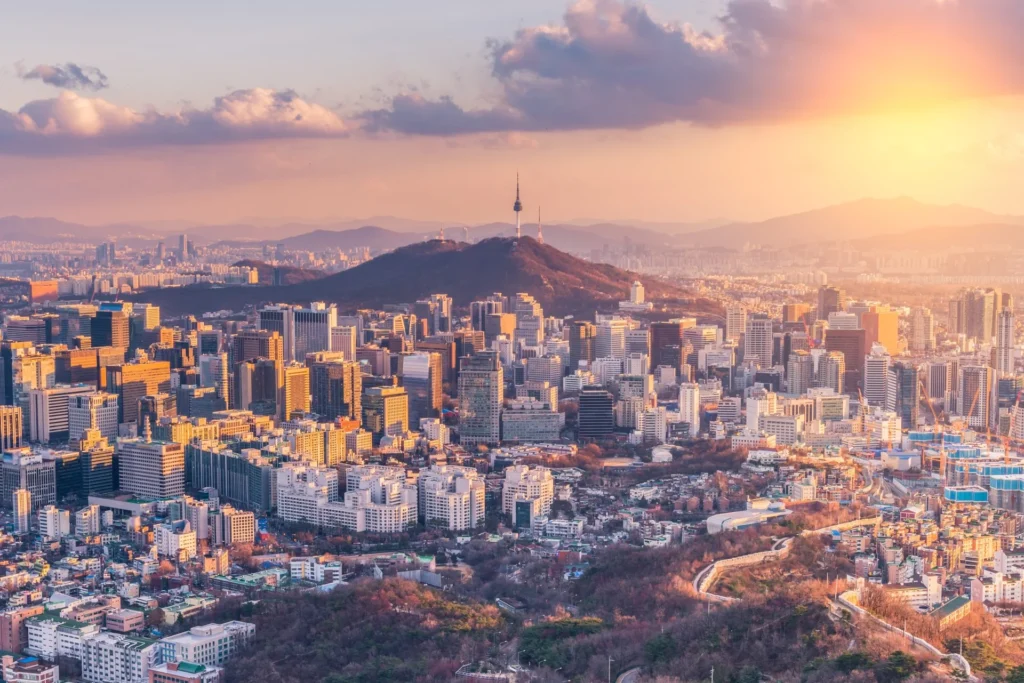
Next, head to Namsan Seoul Tower for breathtaking 360-degree views of the metropolis. Accessible by cable car or a scenic hike, the tower is especially magical at night when the city lights twinkle below. For a taste of modern Seoul, explore Dongdaemun Design Plaza (DDP), a futuristic cultural hub with exhibitions, markets, and 24-hour shopping. These attractions not only showcase Seoul’s historical depth but also its forward-thinking spirit, giving first-time visitors a well-rounded introduction to the city’s identity.
Hidden Gems Off the Beaten Path
While major sights are essential, don’t overlook Seoul’s hidden gems. Visit Seochon Village, a quiet neighborhood near Gyeongbokgung filled with indie cafes, art galleries, and narrow alleys perfect for a leisurely stroll. It’s a favorite among locals but often missed by tourists. Another under-the-radar spot is Seoul Forest, a sprawling urban park with wetlands, deer enclosures, and walking trails—ideal for a peaceful escape from the city’s hustle.
For a unique cultural experience, explore Yanghwajin Foreign Missionary Cemetery, a serene hillside cemetery that tells the story of early Western missionaries in Korea. It’s a reflective space with historical significance and beautiful views of the Han River. These lesser-known spots offer a more intimate look at Seoul’s layered history and local life, enriching your travel experience beyond the typical tourist trail.
Navigating Seoul: Transportation Tips for New Visitors
One of the biggest advantages for first-time visitors is Seoul’s world-class public transportation system. The city’s subway network is extensive, clean, and remarkably easy to use, even if you don’t speak Korean. Stations are well-marked in English, and digital displays show real-time arrivals. Purchase a T-money card at any convenience store or subway station—it works on subways, buses, and even some taxis, offering discounted fares and seamless transfers.
Buses are another reliable option, especially for reaching areas not directly served by the subway. While bus routes can be confusing at first, apps like KakaoMap or Google Maps provide accurate, real-time directions in English. For short distances, walking is often the best way to explore neighborhoods like Insadong or Itaewon. Ride-hailing apps like Kakao T are widely used, though traditional taxis remain affordable and plentiful. With these options, getting around Seoul is stress-free, even for newcomers.
Best Times to Travel and Avoid Crowds
Timing your visit can significantly impact your experience. Spring (April to June) and autumn (September to November) are the most popular seasons, offering mild weather and stunning foliage. Cherry blossoms in spring and golden ginkgo trees in fall transform parks and streets into natural wonderlands. However, these periods also attract large crowds, especially during holidays like Chuseok (Korean Thanksgiving).
If you prefer fewer tourists and lower prices, consider visiting in winter (December to February) or early summer (July). Winter brings festive markets and ice-skating rinks, though temperatures can drop below freezing. Summer is hot and humid, with monsoon rains in July, but it’s a great time for indoor activities like museums and shopping malls. Planning around peak seasons ensures a more relaxed and enjoyable trip.
Must-Try Korean Foods and Where to Eat Them in Seoul
Food is a cornerstone of Korean culture, and Seoul is a paradise for culinary adventurers. As a first-time visitor, you’ll want to dive into iconic dishes like kimchi, bibimbap, tteokbokki (spicy rice cakes), and samgyeopsal (grilled pork belly). Start your food journey at Gwangjang Market, one of Seoul’s oldest traditional markets, where vendors serve sizzling bindaetteok (mung bean pancakes) and mayak gimbap (addictive seaweed rice rolls).
For a modern twist on Korean cuisine, visit Myeongdong, a bustling district known for street food stalls offering everything from hotteok (sweet pancakes) to squid ink noodles. Don’t miss Insadong, where traditional tea houses and restaurants serve refined versions of classic dishes. Whether you’re dining in a Michelin-starred restaurant or a humble alleyway stall, Seoul’s food scene is diverse, flavorful, and deeply satisfying.
Vegetarian and Dietary-Friendly Options
While Korean cuisine is meat-heavy, Seoul has become increasingly accommodating to vegetarians and those with dietary restrictions. Many temples offer vegetarian temple food, a plant-based culinary tradition that emphasizes balance and mindfulness. Restaurants like Plant Cafe in Itaewon and Osegyehyang in Insadong serve creative vegan dishes using local ingredients.
When dining out, learn a few key phrases like “chaesik jeoldae” (no meat) or use translation apps to communicate your needs. Major chains like Puradak Chicken and Outback Steakhouse</ also offer vegetarian menus. With a bit of planning, even the most selective eaters can enjoy Seoul’s rich culinary landscape without compromise.
Cultural Etiquette and Tips for Respectful Travel
Understanding local customs enhances your experience and shows respect for Korean culture. One of the most important practices is bowing slightly when greeting someone, especially elders. Use both hands when giving or receiving items, such as money or a business card, as it’s a sign of politeness. Avoid pointing with your finger—use an open hand instead.
Dining etiquette is equally significant. Wait to be seated, and don’t start eating until the eldest person at the table begins. It’s customary to pour drinks for others, and never pour your own. When using chopsticks, don’t stick them upright in your rice—it resembles a funeral ritual. These small gestures go a long way in building rapport with locals and deepening your cultural immersion.
Dress Code and Social Norms
Seoul is a fashion-forward city, and dressing neatly is appreciated, especially in upscale areas like Gangnam or Apgujeong. While casual wear is acceptable in most places, avoid overly revealing clothing when visiting temples or traditional sites. Shoes are always removed before entering homes, some restaurants, and certain cultural spaces—look for shoe racks as a clue.
Public displays of affection are generally frowned upon, and speaking loudly on public transport is considered rude. Koreans value harmony and modesty, so maintaining a calm and respectful demeanor will help you blend in. By observing these social norms, you’ll not only avoid misunderstandings but also gain a deeper appreciation for Korean values.
Shopping in Seoul: From Street Markets to Luxury Malls
Seoul is a shopper’s paradise, offering everything from high-end fashion to quirky souvenirs. For a traditional experience, visit Dongdaemun Market, open late into the night and famous for its wholesale fashion and textiles. Namdaemun Market, the city’s oldest market, sells everything from kitchenware to herbal remedies, making it perfect for unique gifts.
For modern retail therapy, explore Myeongdong, packed with K-beauty shops, cosmetic stores, and international brands. Gangnam and COEX Mall</**> offer luxury boutiques, tech stores, and upscale dining. Don’t forget to check out Hongdae, a youthful district known for indie fashion, vintage shops, and street performances. Whether you’re hunting for skincare products or handmade crafts, Seoul’s shopping scene is diverse and exciting.
Bargaining and Payment Tips
Bargaining is common in traditional markets but rare in department stores or chain shops. In places like Dongdaemun or Namdaemun, polite negotiation can secure better prices, especially for bulk purchases. However, always remain respectful—Koreans appreciate courtesy over aggressive haggling.
Most vendors accept credit cards, but it’s wise to carry cash for smaller stalls and street food vendors. ATMs are widely available, and many support international cards. Mobile payments like KakaoPay and Naver Pay are increasingly popular, so consider downloading these apps for convenience. With these tips, shopping in Seoul is both enjoyable and hassle-free.
Accommodation Options for Every Budget
Seoul offers a wide range of accommodations to suit every traveler’s needs. Budget-conscious visitors can choose from hostels and guesthouses in areas like Hongdae or Itaewon, where dorm beds start as low as ₩20,000 per night. These spots are social, centrally located, and often include free Wi-Fi and breakfast.
Mid-range travelers will find excellent value in business hotels and boutique guesthouses, which offer private rooms, modern amenities, and convenient locations. For a luxurious stay, consider high-end hotels like The Shilla Seoul or Lotte Hotel World, which provide world-class service, spa facilities, and fine dining. Booking in advance, especially during peak seasons, ensures better rates and availability.
Unique Stays: Hanok Hotels and Capsule Inns
For a truly memorable experience, stay in a hanok hotel, a traditional Korean house converted into a guesthouse. Places like Rakkojae Seoul offer serene courtyards, heated ondol floors, and cultural programs like tea ceremonies. These stays provide a peaceful retreat in the heart of the city.
Alternatively, try a capsule hotel, a futuristic concept popular in Seoul. These compact, high-tech pods offer privacy, cleanliness, and affordability, ideal for solo travelers or short stays. While unconventional, they reflect Seoul’s innovative spirit and are a fun way to experience local trends.
Safety, Connectivity, and Practical Tips
Seoul is one of the safest cities in the world, with low crime rates and a strong police presence. However, it’s still wise to stay aware of your surroundings, especially in crowded areas. Keep your belongings secure, and avoid displaying expensive items openly. Emergency numbers like 112 (police) and 119 (fire/ambulance) are available 24/7.
Staying connected is easy with widespread Wi-Fi in cafes, subways, and public spaces. Purchase a portable Wi-Fi device or a local SIM card at Incheon Airport for reliable internet access. Download essential apps like KakaoMap, Papago (translation), and Seoul Metro to navigate the city efficiently. These tools make travel smoother and more enjoyable.
Packing Essentials for Seoul
Pack layers, as Seoul’s weather can change quickly. Comfortable walking shoes are a must, given the city’s hilly terrain and extensive sightseeing. Bring a reusable water bottle—tap water is safe to drink—and a small umbrella for sudden rain. Don’t forget a universal power adapter, as Korean outlets use Type C and F plugs.
If you plan to visit temples or traditional sites, pack modest clothing that covers shoulders and knees. A small backpack is useful for day trips, and a travel insurance policy is highly recommended. With these essentials, you’ll be well-prepared for any adventure Seoul has to offer.
Key Takeaways
- Seoul is a safe, accessible, and culturally rich destination perfect for first-time visitors.
- Must-see attractions include Gyeongbokgung Palace, Namsan Tower, and Bukchon Hanok Village.
- The subway system is efficient and English-friendly; use a T-money card for convenience.
- Try iconic Korean dishes like kimchi, bibimbap, and tteokbokki at markets and local eateries.
- Respect cultural norms, such as bowing, using both hands, and removing shoes indoors.
- Shop at Dongdaemun, Myeongdong, and Hongdae for fashion, beauty, and souvenirs.
- Choose accommodations based on budget, from hostels to luxury hotels and unique hanok stays.
- Stay connected with portable Wi-Fi or a local SIM card and download essential apps.
Conclusion
This complete travel guide to Seoul for first-time visitors equips you with everything needed to explore the city confidently and authentically. From historic palaces and vibrant markets to mouthwatering street food and cutting-edge technology, Seoul offers a dynamic blend of experiences that cater to every interest. By following practical tips on transportation, etiquette, and accommodations, you’ll navigate the city with ease and create lasting memories.
Whether you’re strolling through ancient alleys, savoring a bowl of hot ramyeon, or watching the sunset from Namsan Tower, Seoul invites you to discover its many layers. With its welcoming atmosphere, rich culture, and modern conveniences, it’s no wonder the city continues to captivate travelers from around the globe. Pack your bags, embrace the adventure, and let Seoul surprise you at every turn.
FAQs
What is the best time of year to visit Seoul for first-time visitors?
The best times are spring (April to June) and autumn (September to November), when the weather is mild and the scenery is stunning. These seasons offer cherry blossoms and fall foliage, though they are also the busiest. For fewer crowds, consider winter or early summer.
Do I need to speak Korean to get around Seoul?
No, you don’t need to speak Korean. Most signs in subways and major attractions are in English, and many locals, especially younger people, understand basic English. Translation apps like Papago can also help bridge any language gaps.
Is Seoul expensive for tourists?
Seoul is relatively affordable compared to other major cities. Street food and public transport are budget-friendly, while mid-range dining and accommodations offer great value. With careful planning, you can enjoy a rich experience without overspending.