


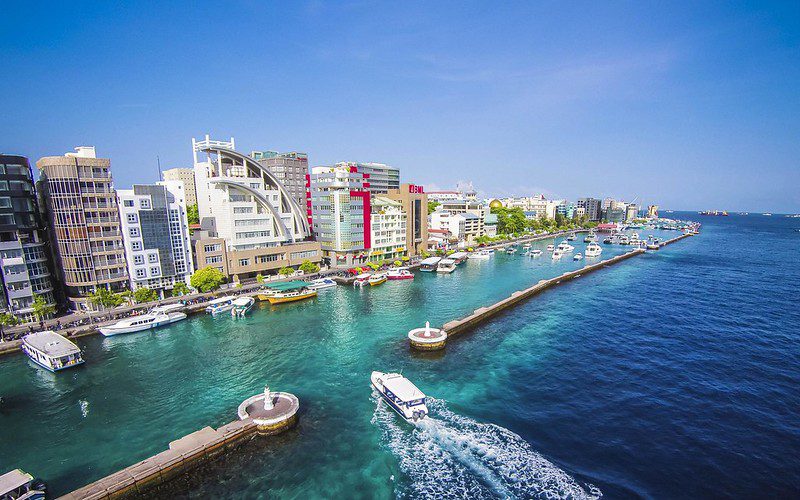
Looking for a tropical escape that blends vibrant city life with island charm? Exploring the beauty of Malé offers exactly that—a compact, bustling capital nestled in the heart of the Maldives, where turquoise waters meet colorful streets and rich culture thrives. Though small in size, Malé packs a punch with its historic landmarks, local markets, and authentic Maldivian experiences. This travel guide is crafted for paradise seekers who want to go beyond the resorts and discover the soul of the Maldives’ capital. From hidden gems to must-see attractions, we’ll show you how to experience Malé like a local while soaking in its undeniable beauty.
Why Malé Should Be on Every Traveler’s Bucket List
Malé may be one of the smallest capitals in the world, but it’s one of the most culturally rich and dynamic destinations in South Asia. Unlike the secluded resort islands that dominate the Maldives’ tourism scene, Malé offers a genuine glimpse into everyday island life. Here, you’ll find a fascinating mix of tradition and modernity—mosques with golden domes stand beside contemporary buildings, and local fishermen unload their catch just steps from busy cafes. For travelers seeking authenticity, Malé delivers an unfiltered experience that’s both enlightening and exhilarating.
What makes Malé truly special is its accessibility. Unlike remote atolls that require seaplane transfers, Malé is easy to reach and navigate. Most international flights land at Velana International Airport, located on a nearby island just a short ferry ride away. Once in the city, you can explore on foot, by taxi, or via local ferries. This convenience, combined with its vibrant atmosphere, makes Malé an ideal base for exploring the wider Maldives. Whether you’re a culture enthusiast, foodie, or history buff, the city offers something unique for every type of paradise seeker.
Top Attractions to Experience in Malé
Malé may be compact, but it’s packed with attractions that showcase the heart and soul of the Maldives. One of the most iconic sites is the Hukuru Miskiy, also known as the Old Friday Mosque. Built in 1656 from coral stone, this UNESCO-recognized landmark features intricate carvings and is a masterpiece of traditional Maldivian architecture. Visitors are welcome during non-prayer hours, and the peaceful courtyard offers a serene escape from the city’s hustle. Nearby, the Malé Friday Mosque and the Islamic Centre dominate the skyline with their gleaming white domes and towering minarets, symbolizing the deep-rooted Islamic heritage of the nation.
For a taste of local life, head to the Malé Local Market on Boduthakurufaanu Magu. This bustling bazaar is where residents shop for fresh fish, tropical fruits, spices, and handmade crafts. The fish market, in particular, is a sensory experience—vendors call out prices, the air is filled with the salty scent of the ocean, and the vibrant colors of tuna, snapper, and reef fish create a striking display. Don’t miss the chance to sample local snacks like mas huni (a coconut and tuna salad) or hedhikaa (fried savory treats) from street vendors. These authentic flavors give you a true taste of Maldivian cuisine.
Hidden Gems in the Heart of the City
Beyond the well-known sites, Malé hides several lesser-known spots that reward curious travelers. One such gem is the National Museum, housed in the former palace of the Maldivian sultans. The museum’s collection includes ancient Buddhist relics, royal regalia, and artifacts that trace the nation’s history from pre-Islamic times to the modern era. Though modest in size, the museum offers a fascinating journey through the cultural evolution of the Maldives. Photography is restricted, but the detailed exhibits and informative plaques make it a worthwhile stop for history lovers.
Another hidden treasure is the Artificial Beach, a man-made shoreline that serves as a recreational hub for locals. Built to provide a safe swimming area, it’s lined with cafes, playgrounds, and walking paths. In the evenings, families gather here to relax, children play in the shallow waters, and couples stroll along the promenade. It’s also a popular spot for watching the sunset, with views of the Indian Ocean stretching endlessly toward the horizon. For a quieter experience, visit early in the morning when joggers and yoga enthusiasts take advantage of the cool sea breeze.
Spiritual and Cultural Landmarks
Malé is a city deeply rooted in faith and tradition, and its spiritual sites reflect this heritage. The Grand Friday Mosque, part of the Islamic Centre complex, is not only a place of worship but also an architectural marvel. With a capacity to hold over 5,000 worshippers, it features a stunning interior adorned with Arabic calligraphy and hand-carved woodwork. Non-Muslim visitors are allowed in designated areas, provided they dress modestly and remove their shoes. The adjacent Medhu Ziyaaraiy is the tomb of Abu al-Barakat Yusuf al-Barbari, a revered figure credited with introducing Islam to the Maldives in the 12th century.
Cultural experiences in Malé extend beyond religious sites. The city hosts occasional traditional performances, including bodu beru—a rhythmic drumming and dance form that originated among African slaves brought to the islands centuries ago. These performances, often held at cultural centers or during festivals, feature powerful beats, synchronized movements, and vibrant costumes. Attending one offers a rare glimpse into the Maldives’ diverse cultural influences. Keep an eye on local event listings or ask at your hotel to catch a live show during your visit.
Where to Eat and Drink in Malé
Malé’s food scene is a delightful blend of local flavors and international cuisine, offering something for every palate. For an authentic Maldivian meal, visit Hukuru Miskiy Restaurant, located near the historic mosque of the same name. The menu features traditional dishes like garudhiya (a clear fish broth), rihaakuru (a thick fish paste), and fihunu mas (grilled fish with chili and lime). The restaurant’s ambiance—complete with wooden furnishings and ocean views—adds to the charm. Another local favorite is Shella Café, known for its fresh seafood and relaxed atmosphere. Try their grilled barracuda or coconut-infused curries for a true taste of the islands.
If you’re craving international fare, Malé won’t disappoint. The city boasts a growing number of cafes and restaurants serving Italian, Indian, Chinese, and Middle Eastern cuisine. Café Lucci is a popular spot for coffee lovers, offering specialty brews and pastries in a cozy, modern setting. For a quick bite, head to Bamboo Garden, a Thai restaurant tucked away in a quiet alley. Their pad thai and green curry are crowd favorites. Don’t forget to try raa, a traditional fermented toddy made from coconut palm sap—though it’s an acquired taste, it’s a must-try for adventurous eaters.
Best Local Eateries and Street Food
For the most authentic culinary experience, explore Malé’s street food scene. The area around the local market is a hotspot for quick, flavorful snacks. Vendors sell mas huni wrapped in roshi (flatbread), kulhi boshi (fish and bread stew), and fihunu mas skewers grilled over open flames. These dishes are not only delicious but also deeply rooted in Maldivian culture. Eating street food here allows you to connect with locals and experience the city’s vibrant food culture firsthand.
Another must-visit is Maaniyaru Koshi, a humble eatery famous for its kulhi boakibaa (fish cakes) and hedhikaa. Locals line up here during lunch hours, and the aroma of frying fish and spices fills the air. The portions are generous, and the prices are incredibly affordable—perfect for budget travelers. For dessert, try pudhu mash, a sweet coconut pudding often served with banana or papaya. These small eateries may not have fancy decor, but they offer some of the most genuine flavors in the city.
Nightlife and Evening Spots
While Malé isn’t known for a wild nightlife scene, it offers several relaxing evening options. Many cafes stay open late, providing a laid-back atmosphere for unwinding with a cup of tea or a cold drink. The Marina, a waterfront complex near the artificial beach, features several restaurants and lounges with ocean views. It’s a great place to enjoy a sunset cocktail or a quiet dinner. Some venues also host live music or acoustic performances on weekends, adding a touch of entertainment to the evening.
For a more local experience, join residents at the Artificial Beach promenade after dark. Families, couples, and friends gather here to socialize, play games, or simply enjoy the cool breeze. Street vendors sell ice cream, fresh coconut water, and grilled snacks, making it a lively yet peaceful setting. If you’re looking for something more low-key, consider visiting a traditional dhivehi raajje (Maldivian) tea house, where locals sip sweet tea and chat late into the night.
Getting Around Malé: Transportation Tips
Navigating Malé is surprisingly easy, thanks to its small size and efficient transport options. The city is only about 8 square kilometers, making walking the best way to explore its main attractions. Most landmarks, markets, and restaurants are within a 15- to 30-minute walk of each other. Comfortable shoes are a must, as sidewalks can be uneven and the tropical heat can be intense during midday. Early mornings and late afternoons are ideal for walking, when the temperature is cooler and the light is perfect for photography.
For longer distances or when the heat becomes overwhelming, taxis are widely available and affordable. Look for yellow-colored cabs with meters, or use ride-hailing apps like PickMe or Uber, which operate in Malé. Fares are generally reasonable—expect to pay around 20–50 MVR (about $1.30–$3.25 USD) for most trips within the city. Always confirm the fare or ensure the meter is running to avoid overcharging. Taxis are especially useful for reaching the ferry terminals or the airport.
Ferry Services and Island Hopping
One of the best ways to experience the Maldives is by hopping between islands, and Malé is the perfect launch point. Public ferries operate regularly to nearby islands like Hulhumalé, Villingili, and Maafushi. The Malé Public Ferry Terminal, located near the artificial beach, is the main hub for these services. Ferries are inexpensive—usually under 10 MVR ($0.65 USD)—and offer a scenic ride across the lagoon. The journey to Maafushi, a popular tourist island, takes about 90 minutes and provides stunning views of coral reefs and traditional fishing boats.
For a more comfortable experience, consider booking a speedboat transfer. These are faster and more reliable, especially if you’re heading to a resort island. Many hotels and tour operators offer private transfers, which can be arranged in advance. If you’re planning to visit multiple islands, a combination of public ferries and speedboats can save time and money. Always check the ferry schedule in advance, as services may be reduced on weekends or public holidays.
Tips for Safe and Efficient Travel
While Malé is generally safe for tourists, it’s important to stay aware of your surroundings, especially in crowded areas like markets and ferry terminals. Petty theft, such as pickpocketing, can occur, so keep your belongings secure and avoid displaying valuables. Dress modestly when visiting religious sites or residential neighborhoods—covering shoulders and knees is respectful and often required. Women may want to carry a scarf for entering mosques.
Staying hydrated is crucial in Malé’s tropical climate. Drink plenty of water, especially if you’re walking or spending time outdoors. Bottled water is widely available, but consider using a reusable bottle with a filter to reduce plastic waste. Sun protection is also essential—wear sunscreen, a hat, and sunglasses to avoid sunburn. Lastly, be mindful of local customs and laws. The Maldives is an Islamic nation, so public displays of affection, alcohol consumption (outside designated resorts), and inappropriate behavior are discouraged.
Best Time to Visit Malé and Weather Insights
The ideal time to visit Malé is during the dry season, from November to April, when the weather is sunny and rainfall is minimal. This period offers the best conditions for outdoor activities, island hopping, and exploring the city. Temperatures typically range from 26°C to 31°C (79°F to 88°F), with low humidity and calm seas. It’s also the peak tourist season, so expect higher prices and more crowds, especially around December and January.
The wet season, from May to October, brings higher humidity, frequent rain showers, and stronger winds. While travel is still possible, outdoor plans may be disrupted, and ferry services can be less reliable. However, this time of year offers lower prices and fewer tourists, making it a good option for budget travelers. The sea can be rougher, so water activities like snorkeling and diving may be limited. If you visit during this period, pack a lightweight rain jacket and plan indoor activities as backups.
Key Takeaways for Exploring the Beauty of Malé
- Malé offers a unique blend of urban energy and island charm, making it a must-visit for culture and adventure seekers.
- Top attractions include the Hukuru Miskiy, Malé Friday Mosque, Local Market, and Artificial Beach.
- Authentic Maldivian cuisine can be found at local eateries, street food stalls, and traditional cafes.
- Getting around is easy via walking, taxis, or public ferries to nearby islands.
- The best time to visit is during the dry season (November to April) for optimal weather and activities.
- Respect local customs, dress modestly, and stay hydrated to make the most of your trip.
Conclusion
Exploring the beauty of Malé is more than just a city tour—it’s an immersion into the heart of the Maldives. From its historic mosques and vibrant markets to its delicious food and welcoming locals, Malé offers a rich, authentic experience that goes beyond the typical resort stay. Whether you’re strolling through narrow streets, savoring fresh seafood, or watching the sunset over the Indian Ocean, the city leaves a lasting impression. For paradise seekers who crave culture, connection, and charm, Malé is a destination that truly delivers. Add it to your travel list and discover why this small island capital is a big deal in the world of tropical travel.
FAQs
Is Malé safe for tourists?
Yes, Malé is generally safe for tourists. The city has a low crime rate, and locals are friendly and welcoming. However, as with any destination, it’s important to stay aware of your surroundings, avoid displaying valuables, and respect local customs, especially in religious areas.
Do I need a visa to visit Malé?
Most travelers receive a 30-day visa on arrival when entering the Maldives, provided they have a valid passport, return ticket, and proof of accommodation. Check with your local Maldivian embassy for specific requirements based on your nationality.
Can I drink alcohol in Malé?
Alcohol is prohibited in Malé and most local islands due to Islamic laws. It is only available in licensed resorts and liveaboards. Tourists are not allowed to bring alcohol into the country or consume it in public areas.