


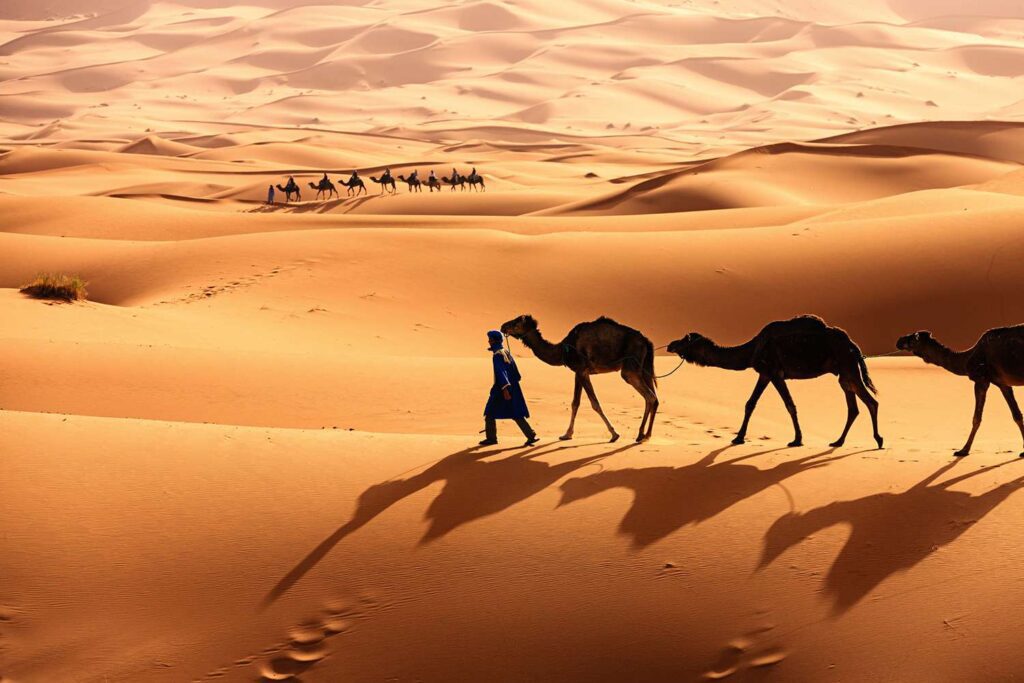
Dreaming of vast golden dunes, star-filled skies, and ancient caravan routes? The Explore Sahara Desert experience offers one of the most awe-inspiring adventures on Earth—but it’s not for the unprepared. Spanning over 9 million square kilometers across North Africa, the Sahara is the world’s largest hot desert, demanding respect, planning, and knowledge. Whether you’re trekking through Morocco’s Erg Chebbi, camping under the stars in Algeria, or riding camels across Tunisia’s dunes, this ultimate travel and survival guide equips you with everything needed to explore safely, responsibly, and memorably.
Why Explore Sahara Desert? The Allure of the World’s Largest Hot Desert
The Sahara isn’t just a desert—it’s a living landscape of extremes, beauty, and mystery. From the towering dunes of Erg Iguidi in Mauritania to the rocky plateaus of the Tassili n’Ajjer in Algeria, the Sahara offers unparalleled diversity. Travelers are drawn to its silence, its scale, and the profound sense of isolation that comes with standing in a place where few dare to tread. The desert’s raw, untouched beauty provides a rare escape from modern life, offering clarity, adventure, and a deep connection to nature’s power.
Beyond its visual grandeur, the Sahara holds deep cultural and historical significance. Ancient trade routes like the Trans-Saharan Caravan Path once linked sub-Saharan Africa to the Mediterranean, carrying gold, salt, and ideas. Today, nomadic tribes such as the Tuareg and Berbers continue to preserve traditions that have survived for centuries. Exploring the Sahara means stepping into a world where time moves differently—where stars guide your path and silence speaks louder than words.
Best Times to Explore Sahara Desert: Timing Your Adventure Right
Timing is everything when planning to explore Sahara Desert. The extreme climate means that visiting during the wrong season can turn an adventure into a survival ordeal. The ideal window is between October and April, when daytime temperatures range from a comfortable 20°C to 30°C (68°F to 86°F). Nights can still drop below freezing, especially in December and January, so packing warm layers is essential. This period also avoids the scorching summer heat, which can exceed 50°C (122°F) and make travel dangerous.
Spring (March to May) offers mild weather and occasional wildflower blooms in certain regions, particularly in the northern fringes near the Atlas Mountains. Autumn (September to November) is equally favorable, with clear skies and minimal rainfall. Avoid the summer months at all costs—heatstroke, dehydration, and vehicle breakdowns are common risks. Additionally, sandstorms are more frequent from March to May, so monitor weather forecasts closely. Planning your trip during the cooler months ensures not only safety but also the best conditions for photography, hiking, and cultural immersion.
Top Regions to Explore Sahara Desert: Where to Go and What to Expect
The Sahara spans 11 countries, but some regions stand out for accessibility, safety, and scenic beauty. Morocco’s Erg Chebbi, near Merzouga, is one of the most popular destinations. Its towering dunes—some reaching 150 meters—offer iconic camel treks and luxury desert camps. The nearby village of Rissani provides a glimpse into traditional Berber life, while nightly stargazing in the clear desert sky is unforgettable. Erg Chigaga, further south, is more remote and less touristy, ideal for those seeking solitude.
In Algeria, the Tassili n’Ajjer National Park is a UNESCO World Heritage site famed for its prehistoric rock art and surreal sandstone formations. This region appeals to history buffs and hikers alike. Meanwhile, Tunisia’s Grand Erg Oriental features vast dune fields near Douz, often called the “Gateway to the Sahara.” Here, 4×4 desert safaris and glamping experiences are widely available. For a more rugged adventure, consider Libya’s Ubari Sand Sea, where turquoise desert lakes contrast with golden dunes—though travel advisories should be checked due to political instability.
Essential Gear for Exploring Sahara Desert: What to Pack
Surviving and enjoying the Sahara starts with the right gear. Clothing should prioritize protection from sun, wind, and temperature swings. Pack lightweight, long-sleeved shirts and pants made from breathable, UV-resistant fabric. A wide-brimmed hat, sunglasses with UV protection, and a shemagh (traditional headscarf) are non-negotiable. Even in winter, the sun’s intensity can cause burns within minutes. Layering is key—mornings and evenings are cold, so include a fleece or down jacket.
Footwear must be sturdy yet comfortable. Closed-toe hiking boots with ankle support are ideal, as sand can get extremely hot and cause blisters. Avoid sandals unless they’re specifically designed for desert trekking. Bring moisture-wicking socks and consider gaiters to keep sand out of your boots. For hydration, carry a minimum of 3–4 liters of water per person per day. Use insulated water bottles or hydration bladders to prevent overheating. Don’t forget a portable water filter or purification tablets as a backup.
Survival Tips for Exploring Sahara Desert: Staying Safe in Extreme Conditions
Survival in the Sahara hinges on preparation and awareness. Dehydration is the number one threat. Even if you don’t feel thirsty, drink water regularly—don’t wait until you’re parched. Avoid alcohol and caffeine, as they increase fluid loss. Eat salty snacks to maintain electrolyte balance, and rest during the hottest part of the day (11 a.m. to 3 p.m.). If you’re trekking, move at a slow, steady pace to conserve energy and reduce sweating.
Navigation is another critical skill. GPS devices and offline maps are essential, as cell service is nonexistent in most areas. Always inform someone of your route and expected return time. Travel with a local guide whenever possible—they know the terrain, weather patterns, and emergency protocols. In case of getting lost, stay put, conserve water, and use reflective materials or bright clothing to signal for help. Sandstorms can reduce visibility to zero in minutes; if caught in one, cover your face and seek shelter immediately.
Cultural Etiquette When You Explore Sahara Desert
Respecting local customs is vital when exploring Sahara Desert. Many regions are home to nomadic tribes like the Tuareg, known as the “Blue People” for their indigo-dyed clothing. Always ask permission before photographing people or entering private spaces. Dress modestly—cover shoulders and knees, especially in rural villages. Accepting tea when offered is a sign of respect; it’s traditionally poured from a height to create foam, symbolizing hospitality.
Learn a few basic phrases in Arabic or Tamazight (Berber language), such as “Salam alaikum” (peace be upon you) and “Shukran” (thank you). Bargaining is common in markets, but do so politely and with a smile. Avoid discussing politics or religion unless invited. Supporting local economies by hiring guides, buying handmade crafts, and staying in community-run camps helps preserve traditions and provides sustainable income. Remember: you’re a guest in a fragile ecosystem and living culture.
Wildlife and Natural Wonders of the Sahara
Contrary to popular belief, the Sahara is not lifeless. It hosts a surprising array of desert-adapted wildlife. The fennec fox, with its oversized ears, thrives in the heat, while the addax antelope—critically endangered—survives on minimal water. Desert monitor lizards, sand vipers, and scorpions are also common, though most are nocturnal and avoid human contact. Birdwatchers may spot desert larks, houbara bustards, and migratory species passing through oases.
Geologically, the Sahara is a marvel. The Tibesti Mountains in Chad feature volcanic peaks and ancient lava flows. The Eye of the Sahara (Richat Structure) in Mauritania is a massive circular formation visible from space. Oases like Timia in Niger and Tozeur in Tunisia are lush havens amid the dunes, sustained by underground aquifers. These green pockets support date palms, gardens, and even small farms—proof that life persists even in the harshest conditions.
Photography Tips for Capturing the Sahara’s Magic
Photographing the Sahara requires more than a good camera—it demands timing and technique. The golden hours (sunrise and sunset) offer the most dramatic light, casting long shadows across the dunes and creating warm, glowing tones. Use a polarizing filter to reduce glare and enhance sky contrast. For star photography, the desert’s low light pollution makes it ideal; use a tripod, wide aperture (f/2.8 or lower), and long exposure (15–30 seconds).
Capture the scale of the desert by including human elements—a lone camel, a tent, or footprints in the sand. This adds depth and perspective. Protect your gear from sand by using weather-sealed cameras and lens hoods. Carry extra batteries, as cold nights drain power quickly. Respect wildlife and people’s privacy—never disturb animals or stage photos without consent. And always leave no trace: pack out all trash, including camera batteries and packaging.
Sustainable Travel: Protecting the Sahara for Future Explorers
As tourism grows, so does the impact on the Sahara’s fragile environment. Leave No Trace principles are essential: pack out all waste, avoid disturbing wildlife, and stick to established trails. Use biodegradable soap and minimize water usage, especially near oases. Support eco-friendly tour operators who employ local guides and use solar-powered camps. Avoid single-use plastics—bring reusable bottles, utensils, and bags.
Cultural preservation is equally important. Avoid buying artifacts or items made from endangered species. Choose accommodations that respect local architecture and traditions. Educate yourself about the region’s history and environmental challenges. By traveling mindfully, you help ensure that the Sahara remains wild, beautiful, and accessible for generations to come. Remember: the desert gives much—return the favor with respect and responsibility.
Key Takeaways for Exploring Sahara Desert
- Best Time to Visit: October to April for mild temperatures and safety.
- Must-Pack Items: Sun protection, layered clothing, sturdy boots, 3–4L of water per day, GPS, and first-aid kit.
- Top Destinations: Erg Chebbi (Morocco), Tassili n’Ajjer (Algeria), Grand Erg Oriental (Tunisia).
- Safety First: Travel with a guide, avoid midday heat, stay hydrated, and prepare for sandstorms.
- Cultural Respect: Dress modestly, ask before photographing, learn basic greetings, and support local communities.
- Sustainability: Follow Leave No Trace, reduce plastic use, and choose eco-conscious tours.
Conclusion
To explore Sahara Desert is to step into a world of extremes—where beauty and danger coexist, and every sunrise brings a new revelation. With proper planning, respect for nature and culture, and the right gear, your journey can be both safe and transformative. From the whisper of wind over dunes to the silence of a starlit night, the Sahara offers experiences that linger long after you’ve returned home. Whether you seek adventure, solitude, or cultural immersion, this ultimate travel and survival guide ensures you’re ready for the challenge. Pack wisely, tread lightly, and let the desert reveal its secrets—one golden mile at a time.
FAQs
What is the safest way to explore Sahara Desert?
The safest way is to travel with a licensed local guide or reputable tour operator. They understand the terrain, weather, and emergency procedures. Always inform someone of your itinerary and carry a satellite communicator in remote areas.
Do I need a visa to visit the Sahara?
Visa requirements depend on your nationality and the country you’re entering. Morocco, Tunisia, and Algeria offer visa-free or visa-on-arrival access for many travelers, but check your government’s travel advisories before booking.
Can I camp alone in the Sahara?
While solo camping is possible, it’s not recommended due to extreme conditions and limited rescue options. Group travel with experienced guides significantly increases safety and enriches the experience through local knowledge and camaraderie.