









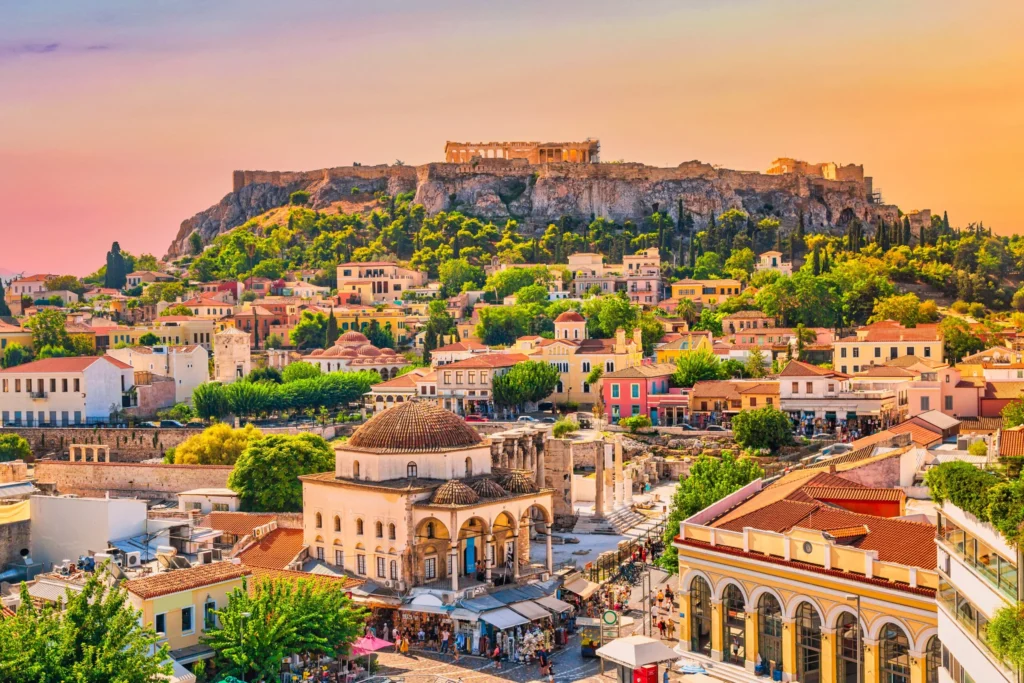
Looking for a destination where millennia-old history meets vibrant city life? This Athens travel guide reveals how ancient ruins and modern life coexist in perfect harmony. From the shadow of the Acropolis to bustling neighborhoods like Psiri and Exarchia, Athens offers travelers a rare blend of archaeological wonder and contemporary energy. Whether you’re tracing the steps of Socrates through marble temples or sipping espresso in a rooftop café with panoramic views, this city delivers an unforgettable journey through time—without sacrificing comfort or culture.
Why Athens? Where Ancient Ruins Meet Urban Pulse
Athens is more than just a stop on the Greek tourism circuit—it’s a living museum where history isn’t locked behind glass cases but woven into daily life. Walk down Dionysiou Areopagitou Street, and you’ll pass beneath the illuminated Parthenon while locals jog past with dogs and tourists snap photos. The city’s ancient ruins aren’t isolated relics; they’re active parts of the urban landscape, accessible, visible, and deeply respected by residents. This seamless integration of past and present makes Athens unique among European capitals.
Beyond iconic sites, Athens pulses with modern creativity. Street art blankets alleyways in the Gazi district, tech startups thrive in Kolonaki, and innovative Greek cuisine reinterprets centuries-old recipes in sleek restaurants. You can explore the Ancient Agora in the morning and attend an electronic music festival at Technopolis in the evening. This dynamic contrast isn’t accidental—it’s the essence of Athens today: a city that honors its legacy while confidently shaping its future.
Must-Visit Ancient Ruins in Athens
The Acropolis stands as the undisputed crown jewel of Athens’ archaeological treasures. Perched on a limestone hill, this UNESCO World Heritage site includes the Parthenon, Erechtheion, Propylaea, and Temple of Athena Nike. Built in the 5th century BCE during the Golden Age of Pericles, these structures embody classical Greek architecture and democratic ideals. Visiting at sunrise or sunset offers not only fewer crowds but also golden-hour lighting that transforms marble into molten gold.
Equally compelling is the Ancient Agora, once the heart of Athenian political, commercial, and social life. Here, philosophers like Socrates and Plato debated ideas that still shape Western thought. Don’t miss the Temple of Hephaestus—one of the best-preserved ancient Greek temples—and the Stoa of Attalos, now housing a museum with artifacts from daily life in antiquity. For a quieter experience, head to the Roman Forum and Tower of the Winds, an octagonal clocktower that once tracked time using sun and water.
Modern Athens: Neighborhoods, Cafés, and Culture
To truly understand Athens today, wander beyond the tourist trails into its distinctive neighborhoods. Plaka, nestled beneath the Acropolis, charms with neoclassical houses, souvenir shops, and family-run tavernas. But for a taste of authentic local life, explore Monastiraki and Psiri. These areas buzz with vintage boutiques, indie record stores, and late-night bars where musicians play rebetiko—a soulful genre born in Athens’ urban underbelly.
Exarchia offers a grittier, politically charged atmosphere, known for its anarchist history and vibrant street art scene. Meanwhile, Kolonaki exudes elegance with designer boutiques, art galleries, and upscale cafés frequented by Athenian intellectuals. In Gazi, the former gasworks district has been reborn as a cultural hub, home to the Hellenic Cosmos cultural center and trendy restaurants housed in repurposed industrial buildings. Each neighborhood tells a different story of modern Athens—diverse, resilient, and endlessly creative.
Experiencing Daily Life in Contemporary Athens
Life in Athens moves at a rhythm shaped by tradition and adaptation. Mornings often begin with a strong frappé or Greek coffee at a sidewalk kafeneio, where elders discuss politics and young professionals check emails on laptops. Lunch is typically a leisurely affair—meze (small plates) shared among friends over ouzo or wine, especially on weekends. Dinner rarely starts before 9 PM, reflecting the Mediterranean preference for late evenings under starlit skies.
Public transportation is efficient and affordable, with an extensive metro system that doubles as an underground museum—stations like Syntagma and Acropolis display excavated artifacts discovered during construction. Buses and trolleys connect even the most remote suburbs, while bike lanes are slowly expanding. Athenians are warm and expressive, often greeting strangers with a smile or offering directions unprompted. Learning a few Greek phrases like “Yassas” (hello) or “Efharistó” (thank you) goes a long way in building connections.
Food, Festivals, and Nightlife: The Soul of Modern Athens
Athens’ culinary scene is a delicious fusion of ancient traditions and modern innovation. Start your day with koulouri (sesame-covered bread rings) from a street vendor, then indulge in spanakopita (spinach pie) or fresh seafood at a taverna in Piraeus. For a contemporary twist, try restaurants like Hytra or Spondi, which reinterpret Greek ingredients with French techniques. Don’t leave without sampling loukoumades (honey puffs), souvlaki, or a glass of retsina—the pine-scented wine once drunk by ancient Greeks.
The city’s cultural calendar brims with festivals that bridge old and new. The Athens & Epidaurus Festival showcases ancient drama in the Odeon of Herodes Atticus, while the Stavros Niarchos Foundation Cultural Center hosts everything from jazz concerts to contemporary dance. Summer brings open-air cinemas in neighborhoods like Pangrati, where classic films play under the stars. Nightlife ranges from intimate wine bars in Anafiotika to high-energy clubs in Glyfada, where DJs spin until dawn.
Practical Tips for Travelers: Navigating Athens Like a Local
Best visited in spring (April–June) or fall (September–October), Athens offers mild weather and fewer crowds compared to peak summer months. July and August can be oppressively hot, though sea breezes offer some relief. Purchase a combined ticket (€30) for access to seven major archaeological sites, including the Acropolis, Ancient Agora, and Kerameikos Cemetery—valid for five days and a great value.
Dress modestly when visiting religious sites like the Cathedral of Athens or monasteries on nearby Mount Athos. Comfortable walking shoes are essential—cobblestone streets and steep hills demand sturdy footwear. Tipping is appreciated but not mandatory; rounding up the bill or leaving 5–10% in restaurants is customary. Download the “Athens Metro” app for real-time updates, and use contactless payments where possible—many small vendors now accept cards or mobile wallets.
Hidden Gems Beyond the Tourist Trail
While the Acropolis dominates guidebooks, Athens hides quieter wonders worth exploring. The Philopappos Hill offers a peaceful escape with panoramic views of the city and the Acropolis—especially magical at sunset. The National Garden, adjacent to Syntagma Square, is a lush oasis with shaded paths, a small zoo, and a café perfect for midday rest. For art lovers, the Benaki Museum and Museum of Cycladic Art house exceptional collections spanning prehistoric to modern Greek art.
Take a short tram ride to the coastal suburb of Glyfada for beachside relaxation or visit the Stavros Niarchos Foundation Cultural Center, home to the Greek National Opera and a stunning park with views of the Saronic Gulf. If time allows, day trips to Cape Sounion (to see the Temple of Poseidon) or the island of Aegina offer refreshing escapes. These lesser-known spots reveal Athens’ depth beyond its famous ruins.
Key Takeaways
- Athens seamlessly blends ancient history with modern urban life, offering travelers both archaeological depth and contemporary vibrancy.
- The Acropolis and Ancient Agora are must-see ruins, but don’t overlook lesser sites like the Temple of Hephaestus or Roman Forum.
- Explore diverse neighborhoods like Psiri, Exarchia, and Kolonaki to experience authentic Athenian culture beyond tourist zones.
- Enjoy Greek cuisine at both traditional tavernas and innovative restaurants, and embrace the late-night dining culture.
- Use the efficient metro system to navigate the city and take advantage of combined archaeological site tickets for savings.
- Visit in spring or fall for ideal weather and fewer crowds, and always wear comfortable walking shoes.
Conclusion
Athens is a city of contrasts—where philosophers once walked among marble columns and today’s artists paint murals on concrete walls. This Athens travel guide highlights how ancient ruins and modern life don’t just coexist but enrich each other, creating a destination that’s as intellectually stimulating as it is emotionally resonant. Whether you’re marveling at the Parthenon’s symmetry or debating politics over a glass of retsina in a Monastiraki courtyard, Athens invites you to engage with history while living fully in the present. It’s not just a place to visit—it’s a city to experience, remember, and return to.
FAQ
What is the best time of year to visit Athens?
The ideal times to visit Athens are during spring (April to June) and autumn (September to October). During these months, the weather is pleasantly warm, tourist crowds are manageable, and outdoor exploration is most enjoyable. Summer can be extremely hot, especially in July and August, while winter is mild but rainier.
Do I need to speak Greek to get around Athens?
No, you don’t need to speak Greek to navigate Athens. English is widely spoken in tourist areas, hotels, restaurants, and public transportation. However, learning a few basic Greek phrases like “Yassas” (hello) or “Pos tha thelate?” (how much does it cost?) can enhance your experience and show respect for local culture.
Is Athens safe for solo travelers?
Yes, Athens is generally safe for solo travelers, including women. Like any major city, it’s wise to stay aware of your surroundings, especially at night in less crowded areas. Stick to well-lit streets, avoid displaying valuables, and use official taxis or ride-sharing apps. Most neighborhoods popular with tourists are well-patrolled and welcoming to visitors.