






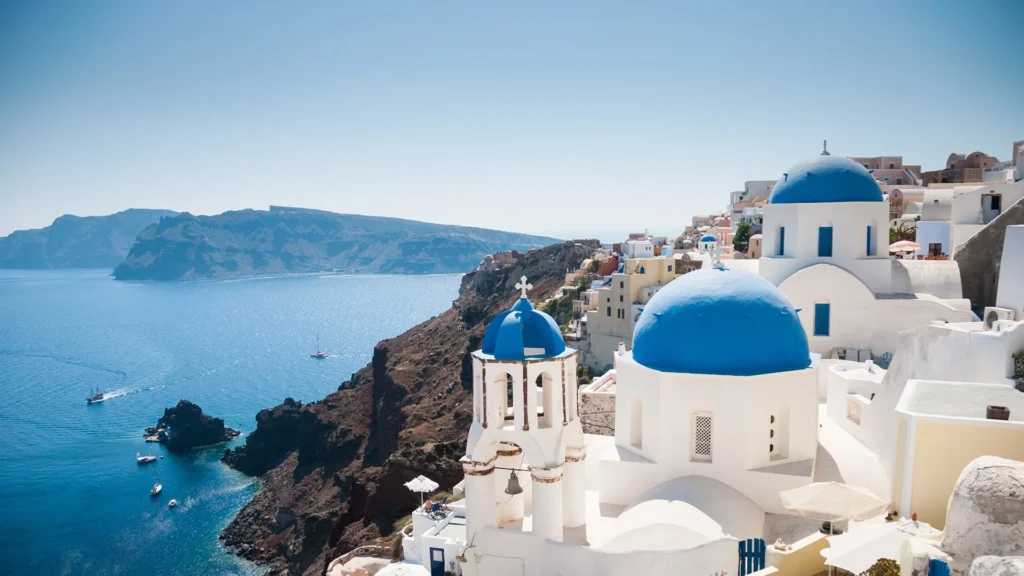
Dreaming of whitewashed buildings, cobalt-blue domes, and breathtaking sunsets over the Aegean Sea? If you’re ready to explore Santorini, you’re in for one of Greece’s most unforgettable island experiences. This volcanic gem, shaped by ancient eruptions and centuries of history, offers more than just postcard-perfect views. From charming villages perched on cliffs to world-class wineries and hidden coves, Santorini blends natural beauty with rich culture. Whether you’re planning a romantic getaway, a solo adventure, or a family vacation, this comprehensive travel guide delivers essential tips, must-see spots, and insider advice to help you make the most of your Santorini journey.
Why Santorini Should Be Your Next Island Escape
Santorini isn’t just a destination—it’s a sensory experience. Known for its dramatic caldera views, unique volcanic landscape, and iconic sunsets in Oia, the island draws travelers from around the globe. But beyond the famous photos lies a deeper story: one of ancient Minoan civilization, resilient communities, and a culture shaped by fire and sea. The island’s formation began over 3,600 years ago with the massive Minoan eruption, which left behind a crescent-shaped archipelago and a fertile terrain perfect for viticulture. Today, Santorini stands as a living testament to nature’s power and human endurance.
What sets Santorini apart from other Greek islands is its striking geography. The caldera—a massive crater formed by the volcanic collapse—creates a natural amphitheater of cliffs that rise sharply from the sea. These cliffs are lined with traditional Cycladic architecture: cubic homes with blue-domed churches, narrow cobblestone alleys, and terraced vineyards growing in volcanic soil. The island’s microclimate, combined with its mineral-rich earth, produces some of the world’s most distinctive wines, particularly the crisp Assyrtiko variety. Whether you’re sipping wine at sunset or hiking along ancient paths, Santorini offers a rare blend of natural wonder and cultural depth.
Top Villages to Explore in Santorini
To truly explore Santorini, you must wander beyond the tourist hotspots and discover the island’s diverse villages, each with its own character and charm. Oia, the most photographed village on the island, is famous for its panoramic sunset views and boutique shopping. Perched on the northern tip of the caldera, Oia’s narrow streets are lined with art galleries, luxury hotels, and cliffside restaurants. While it can get crowded, visiting early in the morning or late at night offers a more peaceful experience. Don’t miss the iconic blue-domed churches and the Maritime Museum, which offers insight into the island’s seafaring past.
Fira, the island’s capital, is the bustling heart of Santorini. Located centrally along the caldera rim, Fira blends modern amenities with traditional charm. It’s the best base for first-time visitors, offering easy access to public transport, restaurants, and nightlife. The town’s cliffside cable car provides a thrilling ride down to the old port, where you can catch a ferry or enjoy fresh seafood by the water. For a quieter escape, head to Imerovigli, often called the “balcony to the Aegean.” This serene village offers some of the most stunning views on the island, with luxury cave hotels and peaceful walking paths along the caldera edge.
Hidden Gems: Lesser-Known Villages Worth Visiting
While Oia and Fira dominate the spotlight, Santorini’s quieter villages offer a more authentic experience. Pyrgos, a medieval hilltop village, is one of the island’s best-kept secrets. Once the capital of Santorini, Pyrgos retains its traditional layout with narrow alleys, old mansions, and a Venetian castle at its peak. Climb to the top for 360-degree views of the island and the sea beyond. The village is also home to several art galleries and a growing food scene, with tavernas serving local specialties like fava (split pea purée) and tomato keftedes (fried tomato balls).
Another hidden gem is Megalochori, a picturesque village known for its well-preserved architecture and tranquil atmosphere. With its red-tiled roofs, hidden courtyards, and family-run wineries, Megalochori feels like stepping back in time. It’s an ideal spot for wine lovers, as many local producers offer tastings in intimate, candlelit cellars. For a coastal escape, visit Perissa and Kamari, two black-sand beaches on the island’s eastern side. These areas are popular with families and offer a more relaxed vibe, with beachfront bars, water sports, and easy access to ancient Akrotiri—a Minoan Bronze Age settlement preserved under volcanic ash.
Must-See Attractions When You Explore Santorini
No trip to Santorini is complete without visiting its most iconic landmarks. The ancient site of Akrotiri is a must-see for history enthusiasts. Often referred to as the “Pompeii of the Aegean,” this well-preserved Minoan city was buried under volcanic ash around 1600 BCE. Excavations have revealed multi-story buildings, intricate frescoes, and advanced drainage systems, offering a fascinating glimpse into prehistoric life. The on-site museum in Fira displays artifacts and provides context, making it easier to appreciate the site’s significance.
Another unmissable attraction is the Red Beach near Akrotiri. Named for its striking red volcanic cliffs and dark pebble shore, this beach is one of the most photographed in Greece. While swimming can be challenging due to the rocky seabed, the dramatic scenery makes it a perfect spot for photography and quiet reflection. For a more secluded experience, hike to the nearby White Beach, accessible only by boat or a steep trail. The contrast between the red cliffs, white rocks, and turquoise water creates a surreal landscape that feels otherworldly.
Unique Experiences Beyond the Beaten Path
To truly explore Santorini like a local, venture off the main tourist trails. One unforgettable experience is a visit to a traditional winery. Santorini’s volcanic soil and dry climate create ideal conditions for viticulture, and the island is home to some of Greece’s oldest vineyards. Many wineries, such as Santo Wines and Venetsanos, offer guided tours and tastings with caldera views. Learn about the unique “kouloura” vine training method, where grapes are woven into basket-like shapes to protect them from wind and sun.
For adventure seekers, the Santorini Caldera Hike is a rewarding journey. This 10-kilometer trail connects Fira to Oia along the cliff’s edge, passing through Imerovigli and Firostefani. The path offers ever-changing views of the sea, nearby islands, and the volcanic cliffs below. While the hike can take 2–3 hours depending on your pace, the experience is well worth it—especially at sunset. Be sure to wear comfortable shoes, carry water, and start early to avoid the midday heat. Alternatively, take the cable car or donkey ride down to the old port and enjoy a boat tour around the caldera, including stops at hot springs and the volcanic island of Nea Kameni.
Best Time to Visit and Travel Tips
Timing your trip is crucial when you explore Santorini. The island enjoys a Mediterranean climate with hot, dry summers and mild, wet winters. The peak tourist season runs from late June to early September, when the weather is ideal but crowds are at their heaviest. If you’re looking for fewer tourists and lower prices, consider visiting in late spring (May) or early autumn (September to October). During these months, the weather is still warm, the sea is swimmable, and the island feels more relaxed. Winter visits are possible but limited—many hotels and restaurants close, and ferry services are reduced.
Getting around Santorini is relatively easy, but planning ahead saves time and stress. The island has a reliable public bus system that connects major towns and beaches. Renting an ATV, scooter, or car offers more flexibility, especially if you plan to visit remote villages or vineyards. However, parking can be challenging in popular areas like Oia and Fira, so arrive early. For inter-island travel, ferries operate regularly from Santorini to nearby islands like Mykonos, Paros, and Crete. Booking tickets in advance during peak season is highly recommended.
Packing Essentials and Local Etiquette
When packing for Santorini, think light, breathable clothing, sturdy walking shoes, and sun protection. The island’s cobblestone streets and steep paths demand comfortable footwear, especially if you plan to hike or explore villages on foot. Don’t forget a wide-brimmed hat, sunglasses, and high-SPF sunscreen—the sun can be intense, even in spring. A light jacket or shawl is useful for cooler evenings, particularly if you’re dining outdoors with a view.
Respecting local customs enhances your travel experience. Santorini is a predominantly Greek Orthodox island, and modest dress is appreciated when visiting churches or attending religious events. Tipping is customary in restaurants and cafes—usually 5–10% of the bill. Learning a few basic Greek phrases, such as “Efharistó” (thank you) and “Yassas” (hello), goes a long way in showing respect. Also, be mindful of noise levels, especially in residential areas, as many homes are built close together and sound carries easily.
Where to Eat, Drink, and Stay in Santorini
Santorini’s culinary scene is a delightful mix of traditional Greek flavors and modern Mediterranean cuisine. Fresh seafood, locally grown vegetables, and volcanic wines define the island’s food culture. For an authentic experience, dine at a family-run taverna in a village like Pyrgos or Megalochori. Try local specialties such as fava, grilled octopus, and domatokeftedes (tomato fritters). Many restaurants offer caldera views, making dinner a memorable event. Don’t miss the chance to sample Santorini’s famous cherry tomatoes, which thrive in the island’s unique soil.
Wine lovers will find paradise in Santorini’s vineyards. The island’s signature Assyrtiko grape produces crisp, mineral-driven whites with high acidity and citrus notes. Other notable varieties include Aidani and Athiri, often blended for complexity. Many wineries offer tours that include tastings, vineyard walks, and insights into traditional winemaking techniques. Santo Wines, located near Pyrgos, is one of the most popular, with a panoramic terrace perfect for sunset sipping. For a more intimate experience, book a private tasting at a smaller estate like Art Space or Gaia Wines.
Accommodation Options for Every Traveler
Whether you’re seeking luxury, romance, or budget-friendly stays, Santorini offers a range of accommodations to suit every traveler. The island is famous for its cave hotels—unique properties carved into the volcanic cliffs, offering privacy, cool interiors, and stunning views. These are especially popular in Oia and Imerovigli, where infinity pools and private terraces enhance the experience. High-end resorts like Canaves Oia and Katikies offer world-class service, spa treatments, and fine dining.
For a more affordable option, consider staying in Fira or Kamari, where hotels and guesthouses offer good value and easy access to amenities. Family-run pensions and boutique hotels provide a personal touch and local insights. If you’re traveling on a tight budget, look for rooms in traditional homes or consider visiting during the shoulder season when prices drop. Always book well in advance, especially for peak season, as Santorini’s most desirable accommodations fill up quickly.
Key Takeaways for Exploring Santorini
- Best Time to Visit: Late spring (May) or early autumn (September–October) for fewer crowds and pleasant weather.
- Must-Visit Villages: Oia for sunsets, Fira for convenience, Pyrgos for history, and Megalochori for authenticity.
- Top Attractions: Akrotiri archaeological site, Red Beach, caldera hike, and local wineries.
- Transportation: Use public buses, rent a scooter, or hire a car. Book ferries in advance during peak season.
- Dining & Wine: Try local dishes like fava and tomato keftedes, and sample Assyrtiko wine at a vineyard tour.
- Accommodation: Choose from luxury cave hotels, boutique stays, or budget-friendly guesthouses depending on your needs.
Conclusion
To explore Santorini is to immerse yourself in a world of natural beauty, ancient history, and warm hospitality. From the iconic sunsets of Oia to the quiet charm of Pyrgos, every corner of the island tells a story. Whether you’re sipping wine under the stars, hiking along the caldera, or discovering hidden beaches, Santorini offers experiences that linger long after your trip ends. With careful planning, respect for local culture, and a spirit of adventure, your journey to this Greek gem will be nothing short of magical. Pack your bags, bring your camera, and get ready to fall in love with one of the world’s most captivating islands.
FAQs
What is the best way to get around Santorini?
The most convenient ways to get around Santorini are by public bus, rental scooter, ATV, or car. Buses connect major towns and beaches, while renting a vehicle offers more freedom. Taxis are available but can be expensive. For inter-island travel, ferries are the best option.
Is Santorini expensive to visit?
Santorini can be pricey, especially during peak season (June–September). Accommodation, dining, and activities tend to be more expensive than on other Greek islands. However, visiting in the shoulder season and choosing local tavernas and guesthouses can help reduce costs.
Do I need to book accommodations in advance?
Yes, especially if you’re visiting during summer or planning to stay in popular areas like Oia or Imerovigli. Santorini’s most desirable hotels and cave suites book up months in advance. Booking early ensures better availability and often better rates.