





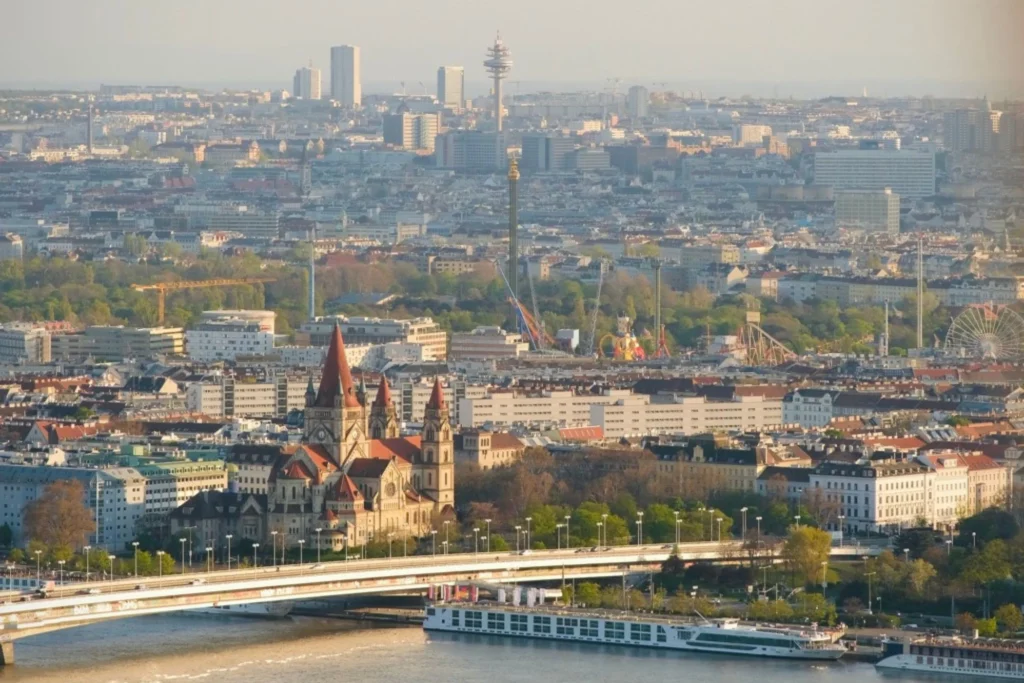
Dreaming of a city where imperial palaces whisper centuries of history, world-class orchestras fill the air with timeless melodies, and every café serves up a slice of Viennese elegance? Visiting Vienna: Culture, Music & Food Travel Guide delivers exactly that—an immersive journey through Austria’s capital, where art, classical music, and culinary tradition blend seamlessly into one unforgettable experience. Whether you’re strolling through Baroque streets, savoring a Sachertorte, or attending a concert at the Musikverein, Vienna offers a rich tapestry of cultural depth and sensory delight that few cities can match.
Why Vienna Stands Out as a Cultural Capital
Vienna isn’t just the political heart of Austria—it’s a global beacon of culture, music, and refined living. For centuries, this city has shaped Western civilization through its patronage of the arts, producing legends like Mozart, Beethoven, and Freud. Today, that legacy lives on in world-renowned museums, grand opera houses, and a vibrant contemporary arts scene. The city’s UNESCO-listed historic center, with its ornate architecture and sweeping boulevards, feels like an open-air museum, yet it pulses with modern energy.
What makes Vienna truly unique is how seamlessly tradition and innovation coexist. You can spend the morning exploring the Kunsthistorisches Museum, home to masterpieces by Rubens and Rembrandt, then unwind in a minimalist design café in the trendy Neubau district. The city’s commitment to preserving its cultural heritage while embracing modernity ensures that every visitor finds something that resonates—whether they’re history buffs, art lovers, or simply in search of authentic European charm.
Vienna’s Musical Heritage: A Symphony of Sound
No travel guide to Vienna would be complete without honoring its unparalleled musical legacy. Known as the “City of Music,” Vienna was home to some of the greatest composers in history. Mozart composed many of his masterpieces here, Beethoven developed his revolutionary symphonies within its walls, and Johann Strauss II turned the waltz into an art form. The city’s musical soul is still very much alive, with over 150 concerts held daily during peak season.
The Vienna State Opera, one of the world’s leading opera houses, offers performances nearly every night of the year. Even if you can’t snag a ticket, the standing-room section (Stehplätze) provides an affordable way to experience world-class performances. Meanwhile, the Musikverein—home to the Vienna Philharmonic—hosts the famous New Year’s Concert, broadcast globally. For a more intimate experience, consider attending a chamber music performance at the Konzerthaus or a Viennese coffeehouse concert, where classical pieces are played in historic settings.
Must-Visit Cultural Landmarks in Vienna
Vienna’s cultural landmarks are as diverse as they are magnificent. At the top of every traveler’s list should be Schönbrunn Palace, the former summer residence of the Habsburgs. This UNESCO World Heritage site boasts 1,441 rooms, stunning gardens, and the world’s oldest zoo. A guided tour reveals opulent interiors, imperial secrets, and the private apartments where Empress Sisi once lived.
Equally impressive is the Hofburg Palace, the sprawling imperial complex that served as the Habsburgs’ winter residence for over 600 years. Today, it houses several museums, including the Imperial Silver Collection and the Sisi Museum, offering deep dives into royal life. Don’t miss the Spanish Riding School, where Lipizzaner horses perform the ancient art of classical dressage in the Winter Riding School—a spectacle of grace and precision that dates back to the 16th century.
For art lovers, the Belvedere Palace is a must. This Baroque masterpiece holds the world’s largest collection of Gustav Klimt’s works, including the iconic The Kiss. Nearby, the Albertina Museum features one of the most important print rooms in the world, with works by Dürer, Picasso, and Monet. Meanwhile, the MuseumsQuartier—one of Europe’s largest cultural complexes—blends contemporary art, performance spaces, and cozy cafés in a former imperial stables complex.
Viennese Cuisine: A Feast for the Senses
Vienna’s food scene is a delicious fusion of imperial elegance and hearty comfort. The city’s culinary identity is rooted in its Austro-Hungarian past, with influences from neighboring regions and a strong café culture that’s been recognized by UNESCO. A true Viennese meal begins with a visit to a traditional Beisl—a cozy, unpretentious tavern serving local specialties like Tafelspitz (boiled beef with horseradish) or Wiener Schnitzel (breaded veal cutlet).
No discussion of Viennese food is complete without mentioning its legendary pastries. The Sachertorte, a dense chocolate cake with a thin layer of apricot jam and dark chocolate glaze, is a national treasure—best enjoyed at Hotel Sacher with a cup of strong Viennese coffee. Equally iconic is the Apfelstrudel, a flaky pastry filled with spiced apples, raisins, and cinnamon, often served warm with vanilla sauce. For something savory, try Kaiserschmarrn, a shredded pancake topped with plum jam and powdered sugar—a rustic favorite at countryside inns and city cafés alike.
Vienna’s coffeehouse culture is another cornerstone of its culinary identity. These aren’t just places to grab a quick espresso—they’re social institutions where people read newspapers, write novels, or simply linger for hours. The Café Central, with its marble columns and vaulted ceilings, is a classic, while Café Sperl offers a more bohemian vibe. Order a Melange (similar to a cappuccino) or an Einspänner (black coffee with whipped cream), and pair it with a slice of Linzer Torte for the full experience.
Hidden Gems and Local Favorites
Beyond the well-trodden tourist paths, Vienna hides countless gems that offer a more authentic glimpse into local life. One such spot is the Naschmarkt, the city’s largest open-air market. Stretching over a kilometer, it’s a sensory overload of fresh produce, exotic spices, cheeses, and street food from around the world. On weekends, the adjacent flea market adds a vintage flair, perfect for hunting down antique postcards or retro jewelry.
For a quieter escape, head to the Prater’s green spaces beyond the famous Riesenrad Ferris wheel. The nearby Volksgarten offers rose gardens and a peaceful pond, while the Augarten park is home to the Augarten Porcelain Manufactory, where you can watch artisans at work and purchase handmade tableware. Art enthusiasts should explore the MUMOK (Museum of Modern Art) in the MuseumsQuartier or the Kunsthalle Wien, which showcases cutting-edge contemporary exhibitions.
Another local favorite is the Heuriger culture—wine taverns on the outskirts of Vienna where vintners serve their own young wine (Heuriger) alongside simple, hearty fare. These rustic venues, especially popular in the Grinzing and Nussdorf districts, offer a relaxed atmosphere where locals gather after work. It’s a chance to sip Grüner Veltliner or Zweigelt wine straight from the barrel, paired with Bauernschmaus (a farmer’s platter of cold cuts, cheese, and bread).
Best Time to Visit Vienna: Seasonal Highlights
The ideal time to visit Vienna depends on your interests, but each season offers something special. Spring (March to May) brings blooming gardens, mild weather, and fewer crowds. The Vienna Spring Festival (Frühlingsfest) in May celebrates music and the arts with open-air concerts and performances across the city. It’s also a great time to explore Schönbrunn’s gardens or take a stroll along the Danube Canal.
Summer (June to August) is peak tourist season, with long days and a packed cultural calendar. The Vienna Festival (Wiener Festwochen) in May and June features theater, dance, and opera from international artists. Outdoor events like the Donauinselfest—a free music festival on an island in the Danube—draw massive crowds. While it can be warm and busy, summer offers extended museum hours and vibrant street life.
Autumn (September to November) is perhaps the most romantic time to visit. The city’s parks turn golden, and the air carries the crisp scent of chestnuts roasting in street stalls. The Vienna International Film Festival in October attracts cinephiles, while the wine harvest season brings lively Heuriger celebrations. Winter (December to February) transforms Vienna into a festive wonderland, especially during the Christmas markets. The Rathausplatz market, with its towering tree and ice rink, is a highlight, and the New Year’s Concert at the Musikverein is a once-in-a-lifetime experience.
Getting Around Vienna: Tips for Travelers
Vienna’s public transportation system is one of the most efficient in Europe, making it easy to explore the city without a car. The Wiener Linien operates an extensive network of U-Bahn (subway), trams, and buses that connect all major attractions. A single ticket (€2.40) is valid for 75 minutes, but most travelers opt for a 24-hour (€8.40), 48-hour (€15.30), or 72-hour (€21.40) pass for unlimited travel.
For a scenic ride, hop on tram line D, which winds through the historic center and offers views of the Ringstraße’s grand buildings. Trams 71 and 2 are also popular for sightseeing. If you prefer walking, Vienna’s compact center is highly pedestrian-friendly, with wide sidewalks and clear signage. Bike rentals are available through the Citybike Wien program, with stations throughout the city.
Taxis and ride-sharing services like Uber are available but can be expensive. Instead, consider using the Vienna City Card, which includes unlimited public transport and discounts at over 200 attractions, restaurants, and shops. It’s available for 24, 48, or 72 hours and can significantly enhance your travel experience while saving money.
Where to Stay in Vienna: Neighborhood Guide
Choosing the right neighborhood can greatly enhance your Vienna experience. The Innere Stadt (1st district) is the historic heart of the city, home to St. Stephen’s Cathedral, the Hofburg, and high-end shopping on Graben and Kärntner Straße. It’s ideal for first-time visitors who want to be close to major sights, though accommodations can be pricey.
The Leopoldstadt (2nd district) offers a more local vibe, with the Prater amusement park, the Danube Canal, and trendy cafés. It’s well-connected by public transport and often more affordable. For a bohemian atmosphere, consider the Neubau (7th district), known for its indie boutiques, art galleries, and hip restaurants. The Josefstadt (8th) and Alsergrund (9th) are quieter, residential areas popular with students and academics, thanks to their proximity to the University of Vienna.
If you’re seeking luxury, the Landstraße (3rd district) near Belvedere Palace offers upscale hotels and fine dining. For a quieter retreat, the Hietzing (13th) district, near Schönbrunn, provides green spaces and a more suburban feel. No matter where you stay, Vienna’s excellent transit system ensures you’re never far from the action.
Key Takeaways
- Vienna is a cultural powerhouse with deep roots in music, art, and imperial history.
- The city offers world-class museums, opera houses, and concert venues that celebrate its artistic legacy.
- Traditional Viennese cuisine blends elegance and comfort, with iconic dishes like Wiener Schnitzel and Sachertorte.
- Café culture is central to Viennese life, with historic coffeehouses serving as social and intellectual hubs.
- Seasonal events like the Vienna Festival, Christmas markets, and Heuriger wine taverns offer unique local experiences.
- Public transportation is efficient and affordable, making it easy to explore the city.
- Choosing the right neighborhood can enhance your stay, whether you prefer historic charm or modern vibrancy.
Conclusion
Visiting Vienna is more than a trip—it’s an immersion into a world where culture, music, and food converge in perfect harmony. From the grandeur of imperial palaces to the intimacy of a candlelit café, every corner of the city tells a story. Whether you’re marveling at a Klimt masterpiece, swaying to a waltz at the Musikverein, or savoring a slice of Apfelstrudel with a Melange, Vienna offers experiences that linger long after you’ve left.
This guide to Visiting Vienna: Culture, Music & Food Travel Guide equips you with everything you need to explore the city like a local. With its rich heritage, vibrant arts scene, and culinary delights, Vienna isn’t just a destination—it’s a celebration of the finer things in life. Pack your bags, bring your curiosity, and let Vienna enchant you.
FAQ
What is the best time of year to visit Vienna for music lovers?
The best time for music lovers is during the Vienna Festival in May and June, or around New Year’s when the Vienna Philharmonic performs its famous concert at the Musikverein. Summer also offers outdoor concerts and open-air opera performances.
Do I need to speak German to enjoy Vienna?
No, most Viennese speak excellent English, especially in tourist areas, museums, and restaurants. However, learning a few basic German phrases like “Danke” (thank you) or “Entschuldigung” (excuse me) is always appreciated.
Is Vienna expensive for tourists?
Vienna can be pricey, but it’s more affordable than cities like Paris or London. Using public transport, dining at local Beisln, and taking advantage of city passes can help manage costs. Many museums also offer free entry on certain days.