



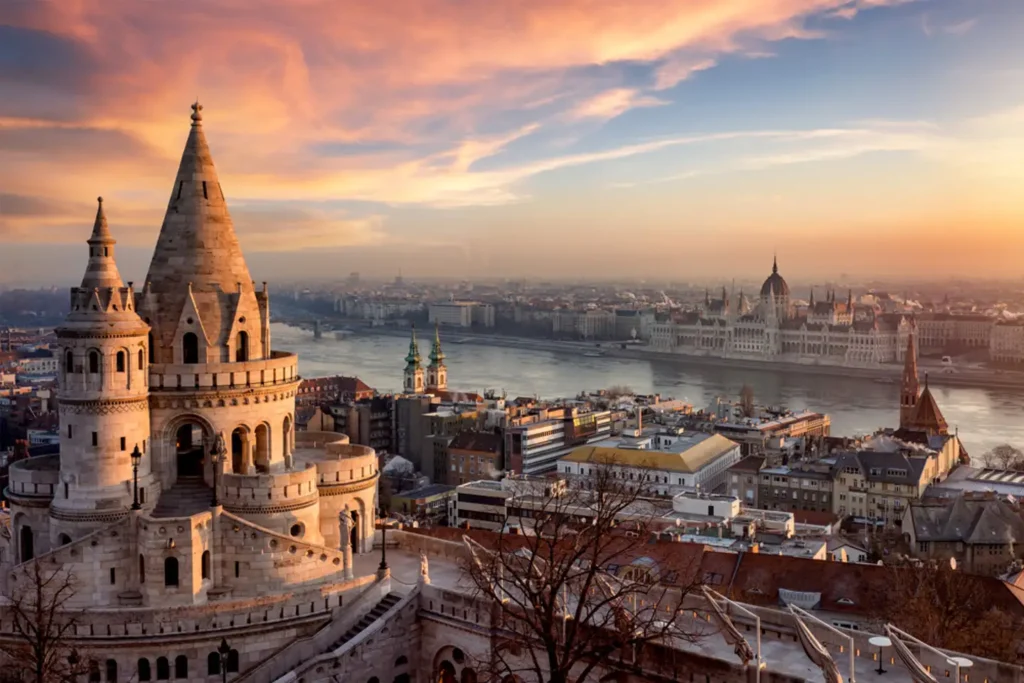
Looking for the ultimate guide to Budapest that dives deep into its world-famous thermal baths and rich history? You’ve found it. Budapest isn’t just a city—it’s a living museum of healing waters, Ottoman legacy, and Habsburg grandeur. With over 100 natural thermal springs bubbling beneath its streets, the Hungarian capital offers a unique blend of relaxation and cultural immersion. Whether you’re soaking in a 16th-century Turkish bath or wandering through Art Nouveau halls, Budapest’s thermal heritage tells a story centuries in the making. This guide reveals everything you need to know about the city’s iconic baths and the historical forces that shaped them.
Why Budapest Is the Global Capital of Thermal Baths
Budapest earns its title as the “Spa Capital of the World” not just through marketing, but through geology and history. The city sits atop a network of over 125 thermal springs, many of which emerge at temperatures between 21°C and 78°C. These mineral-rich waters, heated by volcanic activity deep beneath the Buda Hills, have flowed for thousands of years—long before humans even thought to build bathhouses around them. Today, these springs feed more than 50 public and private bath complexes, making Budapest unrivaled in both quantity and quality of thermal bathing experiences.
What sets Budapest apart isn’t just the abundance of water, but how deeply bathing is woven into daily life. Locals treat thermal baths as social hubs, fitness centers, and wellness sanctuaries—all in one. Unlike many Western spas that emphasize privacy and silence, Budapest’s baths encourage conversation, chess matches, and even group aqua aerobics. This communal culture, combined with affordable access and architectural splendor, creates an experience that’s both therapeutic and authentically Hungarian. From early morning swims to late-night steam sessions, the rhythm of Budapest life pulses through its thermal waters.
The Historical Roots of Budapest’s Thermal Culture
The story of Budapest’s thermal baths begins not with Hungarians, but with Romans. When Roman legions conquered the region in the 1st century AD, they established the settlement of Aquincum on the banks of the Danube. Recognizing the healing potential of the local springs, they built elaborate bath complexes modeled after those in Rome. Archaeological remains of these ancient thermae still exist today, offering a glimpse into how thermal bathing was already a valued practice over 2,000 years ago.
Centuries later, the Ottoman Empire brought another transformative wave to Budapest’s bathing culture. After conquering Buda in 1541, the Ottomans constructed some of the city’s most iconic bathhouses, including Rudas Baths and Király Baths. These structures featured domed ceilings, central pools, and gender-segregated sections—hallmarks of Islamic bath architecture. Though the Habsburgs later reclaimed the city, they preserved and expanded upon this Ottoman legacy, blending Turkish design with European elegance. This layered history—Roman, Ottoman, Austro-Hungarian—is what gives Budapest’s thermal scene its unique character.
From Roman Thermae to Ottoman Hammams
The Roman influence on Budapest’s thermal culture is often overlooked, but it laid the foundation for everything that followed. The Romans didn’t just bathe for cleanliness—they viewed hot springs as sacred gifts from the gods, capable of curing ailments and restoring vitality. Their bath complexes included frigidariums (cold rooms), tepidariums (warm rooms), and caldariums (hot rooms), creating a ritualized progression that modern spas still emulate. Even today, many Budapest bathhouses follow a similar thermal circuit, guiding visitors through varying temperatures for maximum benefit.
When the Ottomans arrived, they brought their own sophisticated bathing traditions. Unlike Roman baths, which were often civic and communal, Ottoman hammams emphasized privacy, ritual purification, and spiritual cleansing. The design of Király Baths, for example, features a central octagonal pool under a dome pierced by star-shaped skylights—a signature of Turkish bath architecture. These spaces were not just for physical rejuvenation but also for social bonding and religious observance. The fusion of Roman engineering and Ottoman aesthetics created a hybrid bathing culture that remains uniquely Budapest.
Top Thermal Baths to Visit in Budapest
With so many options, choosing where to soak can be overwhelming. To help, we’ve narrowed it down to the most historically significant and experientially rewarding thermal baths in the city. Each offers a distinct atmosphere, architectural style, and cultural vibe—ensuring there’s a perfect match for every traveler.
Széchenyi Thermal Bath is the crown jewel of Budapest’s bath scene. Located in City Park, this sprawling complex features 18 pools, including indoor and outdoor options, saunas, steam rooms, and even a wave pool. Built in the Neo-Baroque style in 1913, Széchenyi is the largest medicinal bath in Europe. Its outdoor pools are especially popular in winter, when steam rises off the water into the crisp air—a truly magical sight. Locals gather here for chess tournaments, beer-soaking sessions, and late-night swims, making it a social institution as much as a wellness destination.
Széchenyi Thermal Bath: A Cultural Icon
More than just a place to relax, Széchenyi embodies the spirit of Budapest. Its grand colonnades, mosaic-tiled pools, and red-roofed pavilions reflect the city’s golden age under the Austro-Hungarian Empire. The bath’s water comes from two thermal springs, with temperatures ranging from 28°C to 40°C, rich in sulfate, calcium, magnesium, and bicarbonate—minerals known for their anti-inflammatory and muscle-relaxing properties. Doctors often recommend Széchenyi for treating arthritis, joint pain, and post-injury rehabilitation.
What truly sets Széchenyi apart is its atmosphere. Unlike quieter, more luxurious spas, this bath thrives on energy and interaction. You’ll find families splashing in the shallow pools, seniors playing chess on floating boards, and groups of friends sharing stories over a pint of Hungarian beer. The “beer spa” experience—soaking in a private tub filled with thermal water and hops—has become a quirky yet beloved tradition. Whether you’re seeking therapy, socialization, or simply a stunning backdrop for photos, Széchenyi delivers on all fronts.
Gellért Thermal Bath: Art Nouveau Elegance
For a more refined and visually stunning experience, Gellért Baths is unmatched. Housed within the luxurious Gellért Hotel, this bath complex is a masterpiece of Art Nouveau design. Stained glass windows, mosaic floors, marble columns, and sculpted friezes create an atmosphere of opulence and tranquility. The main wave pool, illuminated by natural light from a central skylight, feels like stepping into a dream.
Gellért’s thermal waters are slightly cooler than Széchenyi’s, averaging around 35°C, but equally therapeutic. The complex includes a range of treatments, from mud wraps to hydrotherapy jets, all administered by trained therapists. While it’s more expensive and less rowdy than Széchenyi, Gellért attracts visitors seeking a serene, almost spa-like environment. Its historical significance is also profound—opened in 1918, it was one of the first baths to combine medical treatment with aesthetic beauty, setting a new standard for thermal wellness in Europe.
Rudas and Király: Ottoman Heritage Baths
For a taste of Budapest’s Ottoman past, Rudas and Király Baths are essential visits. Rudas, built in 1550, is one of the oldest functioning bathhouses in the city. Its massive dome, supported by eight pillars, creates an echoey, cathedral-like space that transports you back in time. The bath features a central pool, hot and cold plunge pools, and a rooftop jacuzzi with panoramic views of the Danube and Buda Castle.
Király Baths, dating back to 1565, is even more historically intact. Unlike many other baths, it has retained its original Ottoman structure, including the classic domed layout and star-shaped ceiling openings. The water here comes directly from a single thermal spring, maintaining a consistent temperature of 36°C. Both baths offer a more traditional, less touristy experience, ideal for history buffs and those seeking authenticity. They’re also less crowded than Széchenyi or Gellért, making them perfect for a peaceful soak.
Thermal Bath Etiquette and Practical Tips
Visiting a Budapest thermal bath isn’t just about showing up and jumping in—there’s an unspoken code of conduct that enhances the experience for everyone. Understanding local customs will help you blend in and make the most of your time. First and foremost, hygiene is paramount. Always shower thoroughly before entering any pool, and wear a swimming cap in the thermal pools (available for purchase at the entrance). Towels are usually provided, but you’ll need to rent a locker or bring your own.
Another key rule: silence in the thermal pools. While socializing is encouraged in lounging areas, the actual bathing zones are meant for relaxation and reflection. Loud conversations, phone calls, and splashing are frowned upon. If you want to chat, head to the sauna or relaxation room. Also, be mindful of personal space—Budapest baths are often crowded, but locals value their “soaking zone.” Avoid hovering near others or taking up too much room in the water.
What to Bring and What to Expect
To ensure a smooth visit, pack light but smart. Essentials include a swimsuit, towel (or rent one), flip-flops, a waterproof bag for wet items, and a water bottle. Some baths offer package deals that include towels, lockers, and even massages—check online in advance. Arrive early, especially on weekends, as popular baths like Széchenyi can reach capacity by mid-morning. Weekdays are generally quieter, with Tuesday and Wednesday offering the best balance of availability and atmosphere.
Expect a mix of locals and tourists, with peak hours between 10 a.m. and 4 p.m. After 6 p.m., many baths become more relaxed, with fewer families and more adults enjoying the evening ambiance. Some baths, like Széchenyi, host “spa parties” on Friday and Saturday nights, featuring DJs, drinks, and late-night swimming—a unique Budapest experience not to be missed. Just remember to book tickets in advance during high season (June to August), as walk-ins may be turned away.
Health Benefits of Thermal Bathing
The therapeutic power of Budapest’s thermal waters is backed by centuries of tradition and modern science. The mineral content—particularly sulfur, calcium, and magnesium—helps reduce inflammation, ease muscle tension, and improve circulation. Regular visits are known to benefit people with chronic pain, arthritis, and respiratory conditions. The warm water also promotes relaxation, reducing stress hormones and improving sleep quality.
Beyond physical benefits, thermal bathing supports mental well-being. The ritual of soaking, steaming, and resting creates a mindful pause in a busy day. Many locals treat bath visits as a form of self-care, scheduling weekly sessions to unwind and reconnect. For visitors, it’s a chance to slow down, reflect, and experience a slice of Hungarian lifestyle. Whether you’re recovering from jet lag or simply need a reset, Budapest’s baths offer a natural, accessible path to wellness.
Exploring Budapest’s Thermal History Beyond the Baths
While the baths themselves are the main attraction, Budapest’s thermal legacy extends far beyond their walls. The city’s geography, urban development, and cultural identity are all shaped by its underground springs. The Buda side, with its hilly terrain and proximity to the Gellért Hill spring, became the historic center of thermal culture. Pest, flatter and more commercial, developed later but still boasts significant bath complexes like Széchenyi.
Even the city’s name reflects its thermal nature. “Budapest” is a fusion of “Buda” and “Pest,” but the region was once known as “Aquincum” by the Romans and “İstanbul-ı Küçük” (Little Istanbul) by the Ottomans—both names hinting at water and healing. Today, thermal energy is also used for heating homes and generating electricity, showcasing how Budapest continues to harness its natural resources sustainably.
The Role of Thermal Waters in Urban Development
The presence of thermal springs influenced where and how Budapest grew. Early settlements clustered around the springs, with Roman Aquincum and Ottoman Buda both built near major water sources. In the 19th century, as Budapest emerged as a modern capital, city planners intentionally preserved and expanded bath infrastructure. The construction of the Chain Bridge and the unification of Buda, Pest, and Óbuda in 1873 were partly motivated by the desire to create a unified thermal city.
Today, thermal bathing is not just a tourist draw—it’s a civic pride. The city government maintains and renovates historic baths, ensuring they remain accessible and functional. Projects like the recent restoration of Rudas Baths demonstrate a commitment to preserving this heritage. Thermal tourism also supports local economies, with thousands of jobs tied to bath operations, hospitality, and wellness services.
Cultural Events and Thermal Traditions
Budapest’s thermal culture isn’t static—it evolves with the times. In recent years, the city has embraced innovative events that blend tradition with modernity. The Széchenyi Spa Parties, for example, attract thousands with electronic music, light shows, and themed nights. These events honor the bath’s social role while introducing it to younger generations.
Traditional practices also endure. Locals still gather for “banya” (bath) days, often on Sundays, to soak, steam, and socialize. Many families pass down bath rituals from grandparents to grandchildren, creating a living cultural thread. Seasonal events, like winter solstice soaks or spring wellness festivals, further embed thermal bathing into the city’s annual rhythm.
Key Takeaways
- Budapest is home to over 100 thermal springs, making it one of the world’s top destinations for thermal bathing.
- The city’s bath culture blends Roman, Ottoman, and Austro-Hungarian influences, creating a unique historical tapestry.
- Top baths include Széchenyi (social and grand), Gellért (Art Nouveau elegance), Rudas and Király (Ottoman heritage).
- Thermal waters are rich in minerals like sulfur and magnesium, offering proven health benefits for joints, muscles, and skin.
- Proper etiquette includes showering before entering pools, wearing swim caps, and maintaining quiet in bathing areas.
- Baths are not just for tourists—they’re integral to local life, used for relaxation, therapy, and social bonding.
- Modern innovations like spa parties and wellness packages keep thermal culture vibrant and relevant.
Conclusion
Budapest’s thermal baths are more than just places to soak—they’re living monuments to the city’s layered history and enduring spirit. From Roman thermae to Ottoman hammams, from Habsburg grandeur to modern wellness trends, each bath tells a story of resilience, adaptation, and cultural fusion. Whether you’re floating under a star-domed ceiling at Király, playing chess in the steam at Széchenyi, or unwinding in the Art Nouveau glow of Gellért, you’re participating in a tradition that spans millennia. This ultimate guide to Budapest’s thermal baths and history equips you to experience them with depth, respect, and wonder. So pack your swimsuit, embrace the warmth, and let the waters of Budapest heal your body and soul.
FAQs
What is the best time of year to visit Budapest’s thermal baths?
The best time is during the cooler months—late autumn, winter, or early spring. The contrast between the cold air and warm thermal water creates a uniquely invigorating experience, especially at outdoor baths like Széchenyi. However, baths are enjoyable year-round, with summer offering longer hours and spa parties.
Are Budapest’s thermal baths safe for children?
Yes, many baths welcome families and have shallow pools and kid-friendly areas. Széchenyi, in particular, is popular with families. However, always supervise children closely, as water temperatures can be high, and slippery surfaces are common.
Do I need to book tickets in advance for Budapest thermal baths?
It’s highly recommended, especially during peak season (June to August) and for popular baths like Széchenyi and Gellért. Booking online ensures entry, allows you to choose time slots, and sometimes includes discounts or package deals.