
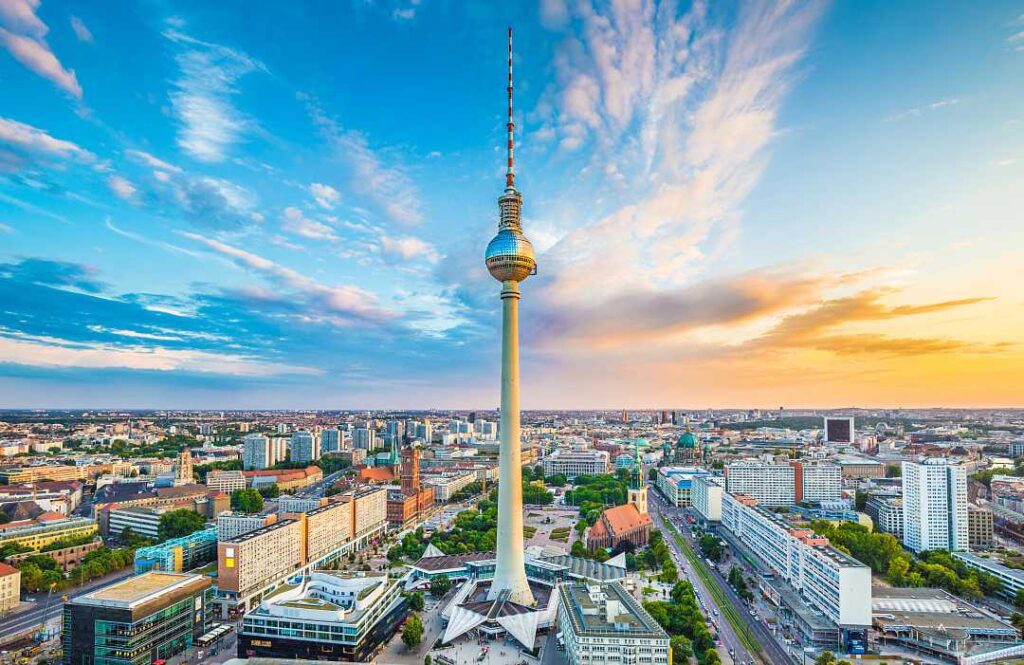
Berlin isn’t just a city—it’s a living museum of modern history, a pulsating hub of underground nightlife, and a global capital of street art. Whether you’re drawn to the echoes of the Cold War, the thumping beats of techno clubs, or the vibrant murals that transform entire neighborhoods, Berlin delivers an unforgettable experience. This Berlin travel guide dives deep into the city’s layered past, its legendary after-dark scene, and its ever-evolving urban art culture, giving you everything you need to explore like a local. From historic landmarks to hidden alleyways covered in graffiti, Berlin rewards curiosity at every turn.
Berlin’s Rich Historical Tapestry: From Imperial Capital to Divided City
Berlin’s history is a dramatic saga of power, division, and rebirth. Once the heart of the Prussian Empire and later the capital of Nazi Germany, the city bears the scars and triumphs of the 20th century. Walking through Berlin today, you’ll encounter remnants of its imperial past in grand buildings like the Berliner Dom and the Brandenburg Gate—symbols that have witnessed monarchy, war, dictatorship, and democracy. The city’s architecture tells stories: neoclassical facades stand beside brutalist structures, a visual timeline of political upheaval and cultural resilience.
The most defining chapter in Berlin’s modern history is undoubtedly the Cold War. The Berlin Wall, erected in 1961, split the city in two for 28 years, separating families and ideologies. Today, the East Side Gallery—a preserved 1.3-kilometer stretch of the Wall—features powerful murals like The Kiss by Dmitri Vrubel, serving as both memorial and canvas. Museums such as the DDR Museum and the Berlin Wall Memorial offer immersive insights into life behind the Iron Curtain, making history tangible for visitors.
Must-Visit Historical Sites in Berlin
- Brandenburg Gate: A neoclassical monument and symbol of German unity.
- Checkpoint Charlie: The famous crossing point between East and West Berlin during the Cold War.
- Reichstag Building: Home to Germany’s parliament, with a glass dome offering panoramic views.
- Topography of Terror: A museum built on the site of the former Gestapo and SS headquarters.
- Sachsenhausen Concentration Camp: A sobering day trip north of Berlin, preserving the memory of Nazi atrocities.
Berlin Nightlife: The Global Capital of Club Culture
When the sun sets, Berlin transforms into one of the world’s most electrifying nightlife destinations. Known for its legendary techno scene, the city pulses with energy from Thursday through Sunday—and sometimes beyond. Clubs like Berghain, Tresor, and Watergate are not just venues; they’re cultural institutions. Berghain, housed in a former power plant, is infamous for its strict door policy, marathon parties, and world-class DJs. It’s more than a club—it’s a pilgrimage site for electronic music lovers.
But Berlin’s nightlife isn’t limited to techno. The city offers a diverse range of experiences: intimate jazz bars in Prenzlauer Berg, rooftop lounges in Mitte with skyline views, and underground queer parties in Neukölln. The concept of “afterhours” is taken seriously—many clubs don’t even get busy until 3 or 4 a.m., and parties can last well into Monday afternoon. This 24/7 culture is rooted in Berlin’s post-reunification era, when abandoned buildings became temporary clubs, fostering a spirit of freedom and experimentation that still defines the scene today.
Top Nightlife Neighborhoods in Berlin
- Friedrichshain: Home to Berghain, KitKatClub, and countless bars along Simon-Dach-Straße.
- Kreuzberg: A bohemian hub with dive bars, LGBTQ+ venues, and street food markets open late.
- Mitte: Upscale cocktail bars and rooftop terraces with views of the city center.
- Neukölln: Trendy, multicultural area with underground parties and experimental music venues.
- Prenzlauer Berg: Cozy wine bars and jazz clubs popular with locals and expats.
Street Art in Berlin: A Canvas of Rebellion and Expression
Berlin’s streets are an open-air gallery, where walls, bridges, and abandoned buildings serve as canvases for local and international artists. The city’s street art scene exploded after the fall of the Berlin Wall, when artists seized the opportunity to reclaim public space. What began as political protest and urban rebellion has evolved into a respected art form, with murals that blend satire, social commentary, and stunning visual design. From stencils to large-scale frescoes, Berlin’s street art reflects the city’s progressive spirit and creative energy.
One of the most iconic street art locations is the East Side Gallery, where artists from around the world painted the Berlin Wall in 1990. Today, it remains one of the largest open-air galleries globally. But street art in Berlin extends far beyond the Wall. Neighborhoods like Kreuzberg, Friedrichshain, and Wedding are covered in ever-changing murals. Artists like Alias, El Bocho, and ROA have turned entire buildings into masterpieces. The RAW-Gelände, a former industrial complex in Friedrichshain, is now a creative hub filled with graffiti, pop-up galleries, and street food stalls.
Best Spots to Experience Berlin Street Art
- East Side Gallery: The most famous stretch of the Berlin Wall, featuring over 100 murals.
- RAW-Gelände: A former railway yard turned cultural hotspot with vibrant graffiti and art installations.
- Teufelssee Lake Area: A lesser-known spot with large-scale murals along the lakeside path.
- Graffiti Alley (Revaler Straße):strong> A legal graffiti zone where artists can paint freely.
- Kreuzberg’s Oranienstraße: A bustling street lined with politically charged and colorful murals.
How History, Nightlife, and Street Art Intersect in Berlin
What makes Berlin truly unique is how its history, nightlife, and street art are deeply intertwined. The city’s turbulent past has directly shaped its creative present. The fall of the Berlin Wall didn’t just reunite a city—it unleashed a wave of artistic freedom. Abandoned buildings in East Berlin became squats, galleries, and clubs, fostering a DIY culture that still thrives. Street art emerged as a form of resistance and reclamation, turning symbols of oppression into expressions of hope and unity.
Today, you can trace this evolution by walking from the Berlin Wall Memorial to a techno club in Friedrichshain, passing murals that reference both the Stasi and modern social issues. Many nightlife venues are housed in repurposed industrial spaces, their raw architecture echoing Berlin’s gritty past. Even the music reflects this fusion—techno, born in Detroit, found a spiritual home in Berlin because of its themes of repetition, resilience, and transcendence. The city’s nightlife and art scenes are not separate entities; they’re part of a continuous dialogue with history.
Moreover, Berlin’s progressive policies have protected its creative culture. The city government supports street art through legal walls and public art programs, recognizing its cultural value. Clubs benefit from relaxed licensing laws and a tolerant attitude toward all-night parties. This ecosystem allows artists, DJs, and activists to coexist and collaborate, creating a dynamic urban environment where history is not just remembered—it’s lived.
Practical Tips for Exploring Berlin’s History, Nightlife & Street Art
To fully experience Berlin’s history, nightlife, and street art, planning is key. Start your day with a walking tour of historic sites—many are free or low-cost, and guided tours offer deeper context. The Berlin WelcomeCard provides discounts and unlimited public transport, making it easy to move between neighborhoods. For street art, consider a guided graffiti tour; local guides know the best hidden spots and the stories behind the murals.
When it comes to nightlife, timing and preparation matter. Clubs often have long lines, and dress codes vary—some are strict, others are casual. Always carry ID, as age checks are common. Arrive late; most clubs don’t get busy until after midnight. If you’re new to the scene, start with smaller venues like ://about blank or Mensch Meier before attempting Berghain. And remember: cash is king—many clubs don’t accept cards.
Safety is generally not a concern in Berlin, but stay aware of your surroundings, especially in crowded clubs or late-night areas. Public transport runs 24/7 on weekends, and the U-Bahn and S-Bahn are reliable. For a truly local experience, join a “club crawl” or attend a pop-up party in a warehouse—these events are often advertised on social media or through word of mouth. Finally, respect the culture: Berlin values authenticity, so embrace the city’s quirks with an open mind.
Key Takeaways
- Berlin’s history is visible in its architecture, memorials, and museums—visit the Berlin Wall, Brandenburg Gate, and Topography of Terror.
- The city’s nightlife is world-renowned, especially for techno; clubs like Berghain and Tresor define the global club scene.
- Street art is a vital part of Berlin’s identity, with murals in Kreuzberg, Friedrichshain, and the East Side Gallery reflecting social and political themes.
- History, nightlife, and art are interconnected—Berlin’s past shapes its creative present.
- Plan ahead: use public transport, join guided tours, and arrive late to clubs for the best experience.
Conclusion
Berlin is more than a destination—it’s an experience. Its layered history, electrifying nightlife, and bold street art create a city that’s constantly evolving yet deeply rooted in its past. Whether you’re standing before the remnants of the Berlin Wall, dancing until dawn in a converted power plant, or discovering a hidden mural in a quiet alley, Berlin invites you to engage, reflect, and explore. This Berlin travel guide offers a roadmap to the city’s most compelling facets, but the real magic happens when you wander off the beaten path. Come with curiosity, leave with stories.
FAQs
What is the best time of year to visit Berlin for nightlife and street art?
The best time to visit Berlin for nightlife and street art is from late spring to early autumn (May to September). The weather is mild, outdoor events are frequent, and many street art festivals take place during this period. However, Berlin’s nightlife thrives year-round, and winter brings cozy indoor parties and holiday markets.
Is Berlin safe for tourists interested in nightlife and street art?
Yes, Berlin is generally safe for tourists. The city has a low crime rate, and areas popular with visitors—like Kreuzberg, Friedrichshain, and Mitte—are well-patrolled and lively at night. As with any major city, stay aware of your surroundings, avoid poorly lit alleys, and keep your belongings secure in crowded clubs.
Can I take photos of street art in Berlin?
Yes, photography of street art is allowed in public spaces. However, always be respectful—avoid blocking pedestrian traffic, and don’t touch or damage the artwork. Some murals are on private property, so check for signs or ask locals if unsure. Many artists appreciate when visitors share their work online, as it helps promote Berlin’s creative scene.