



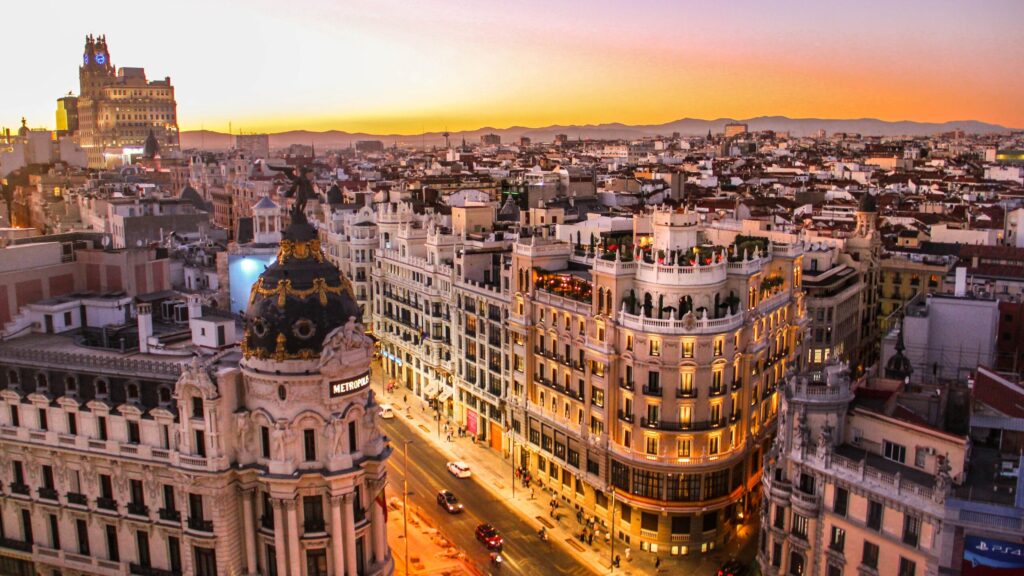
Madrid isn’t just Spain’s capital—it’s a vibrant heartbeat of culture, food, and nightlife that pulses with energy from sunrise to sunrise. Whether you’re strolling through historic plazas, savoring smoky *bocadillos de calamares*, or dancing until dawn in a tucked-away *tertulia*, this ultimate guide to Madrid reveals everything you need to experience the city like a local. From world-class museums to late-night *vermuterías*, we’ll walk you through the must-see sights, hidden culinary gems, and electrifying nightlife spots that define Madrid’s unique charm.
Madrid’s Cultural Landscape: Art, History & Architecture
Madrid’s cultural scene is as rich and layered as its centuries-old cobblestone streets. Home to the famed Golden Triangle of Art—the Prado, Reina Sofía, and Thyssen-Bornemisza museums—the city offers an unparalleled journey through European masterpieces. The Prado houses Velázquez’s *Las Meninas* and Goya’s haunting Black Paintings, while Reina Sofía shines with Picasso’s *Guernica* and modern Spanish avant-garde works. These institutions aren’t just galleries; they’re portals into Spain’s soul, reflecting its political upheavals, artistic revolutions, and enduring creativity.
Beyond museums, Madrid’s architecture tells a story of royal ambition and urban evolution. The Royal Palace, one of Europe’s largest, blends Baroque grandeur with intimate courtyards and opulent throne rooms. Nearby, the Plaza Mayor and Puerta del Sol serve as historic anchors, where festivals, protests, and daily life have unfolded for centuries. Neighborhoods like Lavapiés and Malasaña pulse with street art, independent galleries, and cultural fusion, showcasing Madrid’s modern identity as a cosmopolitan hub where tradition and innovation coexist.
Madrid’s Culinary Scene: Tapas, Markets & Must-Try Dishes
Food in Madrid isn’t just sustenance—it’s a social ritual. The city’s tapas culture thrives in bustling bars where locals gather for *raciones* (large portions) and *pinchos* (small bites on bread). Start your culinary adventure at Mercado de San Miguel, a restored iron-and-glass market brimming with gourmet stalls offering Iberian ham, fresh seafood, and artisanal cheeses. For a more local vibe, head to Mercado de la Cebada or Mercado de San Antón, where you can sample seasonal dishes and sip natural wine amid lively chatter.
No visit to Madrid is complete without trying its iconic dishes. *Cocido madrileño*, a hearty chickpea-based stew, warms the soul on chilly evenings. *Bocadillo de calamares*—a simple sandwich of fried squid rings—is a beloved staple near Plaza Mayor. Don’t miss *croquetas*, creamy bechamel-based bites often filled with jamón or bacalao. Pair these with a *caña* (small beer) or a glass of crisp vermouth, and you’ve captured the essence of Madrid’s food culture: unpretentious, communal, and deeply satisfying.
Where to Eat Like a Local in Madrid
- Casa Lucio – Famous for its *huevos rotos* (broken eggs with potatoes and chorizo), this no-frills spot is a Madrid institution.
- Sobrino de Botín – Claimed to be the world’s oldest restaurant, serving roast suckling pig since 1725.
- La Bola – A historic tavern specializing in traditional *cocido*, served in clay pots.
- Mercado de San Antón – A modern market with a rooftop bar and diverse food stalls, perfect for a casual meal.
- Taberna La Bola – A cozy spot in Chueca offering authentic *montaditos* (small open-faced sandwiches).
Madrid’s Nightlife: Bars, Clubs & Late-Night Culture
Madrid’s nightlife is legendary—not just for its duration, but for its diversity. While many cities wind down by midnight, Madrid comes alive after 10 PM. The city’s *movida* (nightlife scene) spans elegant cocktail bars, underground clubs, and neighborhood *tabernas* where conversation flows as freely as the wine. Whether you’re into jazz, electronic beats, or flamenco fusion, Madrid delivers. The key is knowing where to go and when—most clubs don’t even open until 1 AM, and the real party starts around 2 or 3 AM.
Neighborhoods like Malasaña, Chueca, and La Latina are nightlife epicenters. Malasaña, once the heart of Madrid’s counterculture, now blends vintage shops with trendy bars and rooftop terraces. Chueca, the city’s LGBTQ+ hub, pulses with inclusive energy, hosting drag shows, themed parties, and laid-back wine bars. La Latina offers a more traditional vibe, with narrow streets lined with *tabernas* serving *vermut* (vermouth) and *pulpo a la gallega* (Galician-style octopus). Each district offers a different flavor of Madrid’s after-dark personality.
Top Nightlife Spots in Madrid
- Kapital – A seven-story mega-club with multiple dance floors, themed rooms, and international DJs.
- Gruta 77 – An underground club in a former bomb shelter, known for electronic and techno music.
- El Sol – A historic venue hosting live music, from rock to flamenco, since the 1970s.
- Bar Cock – A speakeasy-style bar in Malasaña with craft cocktails and a retro vibe.
- La Via Lactea – A beloved LGBTQ+ bar in Chueca with karaoke, drag shows, and a welcoming atmosphere.
Experiencing Madrid’s Festivals & Traditions
Madrid’s cultural calendar is packed with festivals that reflect its deep-rooted traditions and modern spirit. One of the most iconic is *San Isidro*, the city’s patron saint festival held every May. For three weeks, Madrid transforms into a carnival of music, dance, and street food. Locals dress in traditional *chulapo* and *chulapa* attire—men in flat caps and short jackets, women in polka-dot dresses—and gather in parks for *verbenas* (street parties) and *corridas de toros* (bullfights). It’s a celebration of Madrid’s identity, blending folklore with contemporary festivity.
Another highlight is *Nochevieja* (New Year’s Eve), when thousands flock to Puerta del Sol to eat 12 grapes at midnight—one for each chime of the clock—a tradition believed to bring good luck. In December, the city sparkles with Christmas markets, ice rinks, and the stunning light displays along Gran Vía. Smaller but equally vibrant are neighborhood festivals like *Fiestas de Lavapiés* and *Fiesta de San Antón*, which celebrate local culture with live music, food stalls, and community gatherings. These events offer an authentic glimpse into Madrid’s communal soul.
For art lovers, Madrid hosts major cultural events year-round. The *Madrid Fusión* gastronomy congress attracts top chefs from around the world, while the *Madrid Fashion Week* showcases Spanish design talent. The *Festival de Otoño* (Autumn Festival) features theater, dance, and music performances in historic venues. Even outside festival seasons, Madrid’s plazas and parks host impromptu concerts, poetry readings, and flamenco shows, ensuring there’s always something cultural happening.
Practical Tips for Exploring Madrid’s Culture, Food & Nightlife
To make the most of your trip, timing and planning are essential. Madrid operates on a unique schedule: lunch is typically from 2 to 4 PM, dinner starts around 9 PM, and nightlife kicks off after midnight. Embrace the *siesta* culture—many shops close in the early afternoon, but this is the perfect time to relax in a park or enjoy a quiet coffee. Public transportation is efficient and affordable, with the metro running until 1:30 AM and night buses (“búhos”) covering the city until dawn.
When dining out, remember that reservations are recommended for popular restaurants, especially on weekends. Tapas bars often operate on a first-come, first-served basis, so arrive early. Tipping isn’t mandatory, but rounding up the bill or leaving 5–10% is appreciated. For nightlife, dress codes vary—some clubs require smart casual attire, while neighborhood bars welcome casual wear. Always carry ID, as many venues check age and identity.
Safety in Madrid is generally excellent, but stay alert in crowded areas like Puerta del Sol and metro stations, where pickpocketing can occur. Stick to well-lit, busy streets at night, and use official taxis or ride-sharing apps. Learning a few basic Spanish phrases—like “una caña, por favor” (a small beer, please) or “¿dónde está el baño?” (where is the bathroom?)—goes a long way in connecting with locals. Above all, embrace the *mañana* (tomorrow) attitude: Madrid moves at its own pace, and the best experiences often come from spontaneity.
Key Takeaways
- Madrid’s culture blends world-class art, historic architecture, and vibrant street life.
- The city’s food scene centers on tapas, traditional stews, and bustling markets.
- Nightlife in Madrid starts late and lasts all night, with diverse options across neighborhoods.
- Festivals like San Isidro and Nochevieja offer immersive cultural experiences.
- Plan around local schedules, use public transport, and engage with the community for an authentic visit.
Conclusion
Madrid is more than a destination—it’s an experience that lingers long after you leave. This ultimate guide to Madrid captures the city’s essence: a place where centuries of history meet modern creativity, where every meal is a celebration, and where the night never truly ends. Whether you’re admiring a Goya masterpiece, sharing *croquetas* with friends at a corner bar, or dancing under the stars in Malasaña, Madrid invites you to live fully, passionately, and authentically. Come with curiosity, leave with stories.
FAQs
What is the best time of year to visit Madrid for culture, food, and nightlife?
The ideal time is spring (April to June) or fall (September to October), when the weather is mild and festivals like San Isidro and Madrid Fashion Week take place. Summers can be hot, but the nightlife remains vibrant, and many locals stay out late. Winters are cooler but festive, with Christmas markets and cozy tapas bars.
Is Madrid safe for tourists exploring nightlife and cultural areas?
Yes, Madrid is generally very safe. However, like any major city, be cautious of pickpockets in crowded tourist spots and on public transport. Stick to well-lit areas at night, avoid isolated alleys, and use licensed taxis or ride-sharing services. Most neighborhoods, including Malasaña and Chueca, are lively and welcoming after dark.
Do I need to speak Spanish to enjoy Madrid’s food and cultural scene?
While many locals in tourist areas speak English, knowing basic Spanish enhances your experience. Simple phrases help when ordering food, asking for directions, or chatting with vendors at markets. Most restaurant menus include English translations, but venturing into local *tabernas* often rewards those who try the language.