










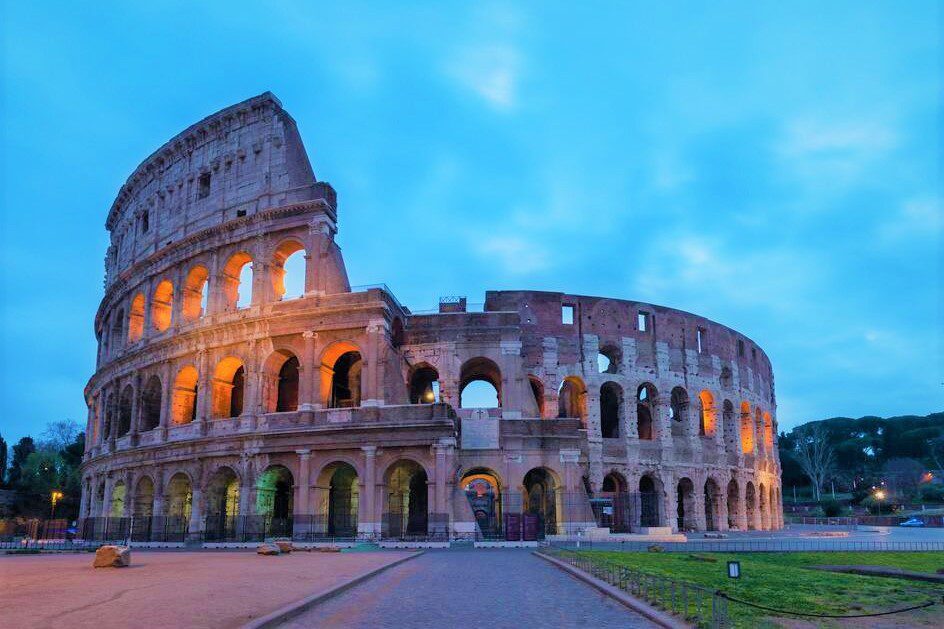
Dreaming of ancient ruins, cobblestone streets, and the aroma of fresh espresso drifting through piazzas? Exploring Rome: A Complete Travel Guide to the Eternal City is your ultimate companion to uncovering the magic of one of the world’s most iconic destinations. From the grandeur of the Colosseum to the quiet charm of Trastevere, this guide delivers everything you need to navigate Rome like a local. Whether you’re a history buff, food lover, or first-time visitor, this comprehensive resource ensures you experience the Eternal City in all its timeless glory—without missing a beat.
Why Rome Deserves a Spot on Every Traveler’s Bucket List
Rome isn’t just a city—it’s a living museum, a culinary paradise, and a cultural crossroads that has shaped Western civilization for over two millennia. As the capital of Italy, Rome blends ancient history with modern vibrancy in a way few cities can match. Every corner tells a story: from the marble columns of the Roman Forum to the Baroque fountains that sparkle under golden sunsets. The city’s nickname, the “Eternal City,” isn’t just poetic—it’s a testament to its enduring influence on art, religion, politics, and architecture.
Beyond its historical weight, Rome offers an unmatched lifestyle. Italians embrace la dolce vita—the sweet life—with leisurely meals, evening strolls, and a deep appreciation for beauty in everyday moments. Whether you’re sipping wine at a sidewalk café near Piazza Navona or marveling at Michelangelo’s frescoes in the Sistine Chapel, Rome invites you to slow down and savor. It’s a city where past and present coexist effortlessly, making it a must-visit for travelers seeking depth, authenticity, and unforgettable experiences.
Top Historical Landmarks to Visit in Rome
No trip to Rome is complete without visiting its legendary historical landmarks. The Colosseum, the largest amphitheater ever built, stands as a symbol of Roman engineering and imperial power. Walk through its ancient arches and imagine gladiatorial battles that once drew crowds of 50,000. Just a short walk away, the Roman Forum offers a hauntingly beautiful glimpse into the political and social heart of ancient Rome. Ruined temples, basilicas, and triumphal arches line the Sacred Way, where emperors once paraded in victory.
Another unmissable site is the Pantheon, one of the best-preserved ancient buildings in the world. Its massive dome, with its famous oculus opening to the sky, remains an architectural marvel after nearly 2,000 years. Nearby, the Palatine Hill offers panoramic views and the ruins of imperial palaces where Rome’s elite once lived. For a deeper dive into Roman history, consider a guided tour that connects these sites, revealing stories of emperors, senators, and everyday citizens who shaped the empire.
The Vatican: A Spiritual and Artistic Epicenter
The Vatican City, an independent city-state enclaved within Rome, is a destination unto itself. Home to the Pope and the headquarters of the Roman Catholic Church, it’s also a treasure trove of art and architecture. The Vatican Museums house one of the world’s greatest art collections, spanning from ancient sculptures to Renaissance masterpieces. The journey through the museums culminates in the Sistine Chapel, where Michelangelo’s ceiling frescoes—including the iconic Creation of Adam—leave visitors in awe.
St. Peter’s Basilica, the largest church in the world, dominates the Vatican skyline with its majestic dome designed by Michelangelo. Climb to the top for a breathtaking view of St. Peter’s Square and the city beyond. Inside, marvel at Bernini’s ornate baldachin over the papal altar and the revered Pietà sculpture. Whether you’re religious or not, the Vatican’s spiritual atmosphere and artistic grandeur make it a profound experience. Book skip-the-line tickets in advance to avoid long queues, especially during peak seasons.
Neighborhoods to Explore: Where to Stay and Wander
Rome is a city of distinct neighborhoods, each with its own personality and charm. Trastevere, located on the west bank of the Tiber River, is one of the most beloved areas for its narrow, winding streets, colorful buildings, and lively nightlife. By day, it’s perfect for exploring artisan shops and quiet courtyards; by night, it transforms into a hub of wine bars, trattorias, and live music. Staying in Trastevere offers a more local, bohemian vibe compared to the tourist-heavy center.
For a more upscale experience, consider Monti, a trendy neighborhood nestled between the Colosseum and Via Nazionale. Once a working-class district, Monti has evolved into a stylish enclave filled with boutique hotels, vintage stores, and hip cafés. It’s also within walking distance of major attractions, making it ideal for travelers who want convenience without sacrificing authenticity. Other notable areas include Campo de’ Fiori, known for its daily market and vibrant piazza, and Prati, a quieter, residential zone near the Vatican with elegant architecture and excellent dining.
Hidden Gems Beyond the Beaten Path
While Rome’s famous sites draw millions, the city’s true magic often lies in its hidden corners. Tucked away in the Aventine Hill is the Orange Garden (Giardino degli Aranci), a peaceful park offering one of the best panoramic views of Rome, especially at sunset. Nearby, the Keyhole of the Knights of Malta provides a perfectly framed view of St. Peter’s Dome through a small aperture in a tall gate—a surreal and photogenic moment.
For art lovers, the MAXXI Museum in the Flaminio district showcases contemporary architecture and modern art in a striking building designed by Zaha Hadid. Meanwhile, the Basilica di San Clemente offers a unique archaeological journey: a 12th-century church built atop a 4th-century basilica, which in turn sits above a 1st-century Roman house and Mithraic temple. These layered discoveries reveal Rome’s deep historical strata in a single location. Exploring these lesser-known spots allows travelers to experience the city beyond the guidebooks.
Roman Cuisine: A Food Lover’s Paradise
Italian cuisine reaches its peak in Rome, where simplicity and quality ingredients define every dish. Pasta is the star here, with iconic Roman recipes that have been perfected over generations. Don’t miss carbonara (made with eggs, Pecorino Romano, guanciale, and black pepper), cacio e pepe (cheese and pepper), amatriciana (tomato, guanciale, and chili), and gricia (the precursor to carbonara, without eggs). These dishes are best enjoyed in traditional trattorias like Da Enzo al 29 in Trastevere or Roscioli near Campo de’ Fiori.
Beyond pasta, Rome offers a wealth of culinary delights. Supplì, deep-fried rice balls filled with mozzarella, are a popular street food, often found at kiosks near major piazzas. Pizza al taglio (pizza by the slice) is perfect for a quick, delicious meal—try it at Antico Forno Roscioli or Pizzarium Bonci, where chef Gabriele Bonci elevates Roman pizza to an art form. For dessert, indulge in maritozzo, a sweet cream-filled bun that’s become a modern Roman favorite, or classic tiramisu at a family-run café.
Wine, Coffee, and Aperitivo Culture
No Roman meal is complete without a glass of wine. The city boasts a growing number of enoteche (wine bars) that serve natural and biodynamic wines from across Italy. Enoteca Ferrara in Trastevere and Fafiuché in Monti are excellent choices for wine lovers. Romans also take their coffee seriously—order an espresso standing at the bar for an authentic experience, and avoid cappuccino after 11 a.m., as it’s considered a breakfast drink.
The aperitivo tradition is a beloved Roman ritual, especially in the late afternoon. Head to a stylish bar in neighborhoods like Testaccio or San Lorenzo, where for the price of a cocktail or glass of wine, you can enjoy a generous buffet of small plates, salads, and snacks. It’s a social, relaxed way to unwind before dinner and a great opportunity to mingle with locals. Popular spots include Freni e Frizioni and Femme, known for their creative drinks and vibrant atmospheres.
Practical Tips for Exploring Rome Like a Local
To make the most of your trip, it’s essential to travel smart. Public transportation in Rome is efficient and affordable. Purchase a BIT (single ticket) or a Biglietto Giornaliero (daily pass) for unlimited travel on buses, trams, and the metro. The metro has three lines (A, B, and C), with Line A connecting major sites like the Vatican and Termini Station. Avoid driving in the city center—traffic is chaotic, and ZTL (Limited Traffic Zones) are strictly enforced with hefty fines.
Dress appropriately when visiting religious sites. Shoulders and knees must be covered in churches and basilicas, including St. Peter’s and the Pantheon. Bring a lightweight scarf or shawl if needed. Also, be mindful of pickpockets in crowded areas like the Colosseum, Vatican, and public transport. Keep your belongings secure and avoid flashing expensive items. Lastly, learn a few basic Italian phrases—locals appreciate the effort, and it can enhance your interactions significantly.
Best Time to Visit Rome
The ideal time to visit Rome is during the spring (April to June) and autumn (September to October), when the weather is mild, crowds are manageable, and the city blooms with seasonal charm. Summer (July and August) can be extremely hot and crowded, especially around major attractions. Winter (November to March) is quieter and more affordable, though some outdoor sites may have reduced hours. Regardless of when you go, Rome’s timeless beauty shines year-round.
Consider visiting during local festivals for a unique cultural experience. Easter in Rome is a major event, with processions and special masses at St. Peter’s. Festa de’ Noantri in Trastevere (July) celebrates neighborhood pride with food stalls, music, and fireworks. Natale al Gianicolo (Christmas on the Janiculum) features a living nativity scene and festive lights. These events offer a deeper connection to Roman traditions and community spirit.
Key Takeaways for Your Roman Adventure
- Must-see landmarks: Colosseum, Roman Forum, Pantheon, Vatican Museums, and St. Peter’s Basilica.
- Best neighborhoods: Trastevere for charm, Monti for style, and Prati for tranquility near the Vatican.
- Essential Roman dishes: Carbonara, cacio e pepe, supplì, and maritozzo.
- Travel tips: Use public transport, dress modestly at religious sites, and book skip-the-line tickets.
- Optimal visiting times: Spring and autumn for ideal weather and fewer crowds.
Conclusion
Exploring Rome: A Complete Travel Guide to the Eternal City equips you with everything needed to experience this magnificent destination to its fullest. From ancient wonders and world-class art to mouthwatering cuisine and vibrant neighborhoods, Rome offers an unparalleled blend of history, culture, and lifestyle. Whether you’re marveling at the engineering of the Colosseum, savoring a perfectly crafted cacio e pepe, or watching the sunset from the Orange Garden, the Eternal City leaves an indelible mark on every visitor. Plan wisely, embrace the local rhythm, and let Rome reveal its timeless magic—one unforgettable moment at a time.
FAQs
What is the best way to get around Rome?
The most efficient way to explore Rome is by using public transportation, including the metro, buses, and trams. Purchase a daily or multi-day pass for convenience. Walking is also ideal for discovering hidden alleys and piazzas, especially in the historic center.
Do I need to book tickets in advance for major attractions?
Yes, booking skip-the-line tickets in advance is highly recommended for popular sites like the Colosseum, Vatican Museums, and Pantheon. This saves hours of waiting and ensures entry during peak seasons.
Is Rome safe for tourists?
Rome is generally safe for tourists, but like any major city, it’s important to stay vigilant against pickpockets, especially in crowded areas and on public transport. Keep your belongings secure and avoid displaying valuables openly.