

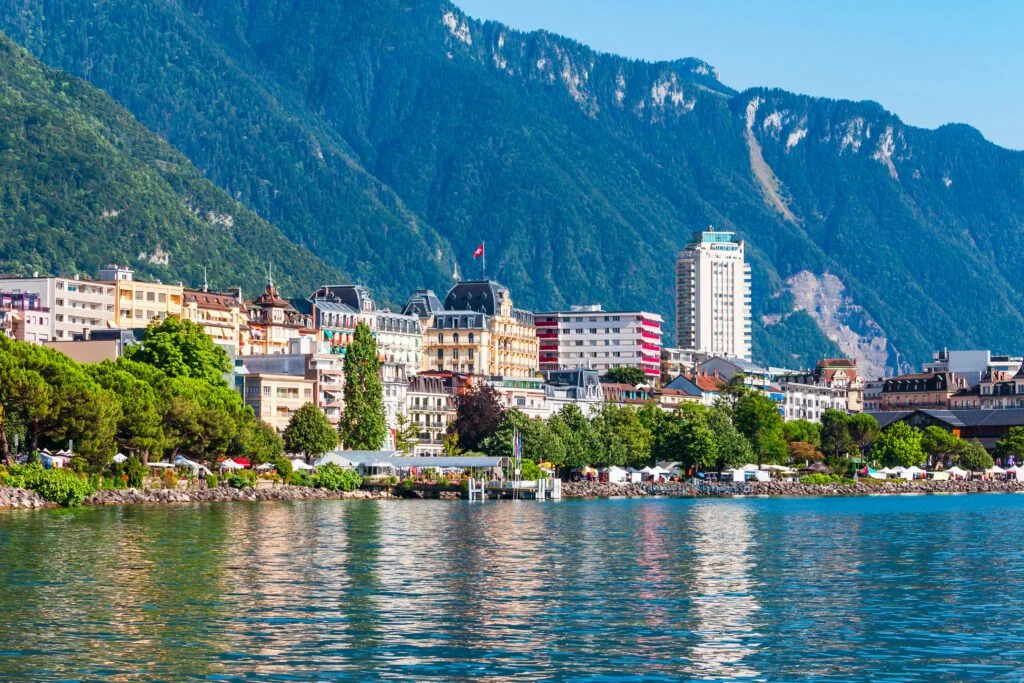
Planning a trip to Switzerland? The Ultimate Travel Guide to Geneva is your essential companion for exploring one of Europe’s most elegant and cosmopolitan cities. Nestled on the shores of Lake Geneva and framed by the Alps, Geneva blends international diplomacy, rich history, and natural beauty into a seamless travel experience. Whether you’re drawn to its global institutions, cultural landmarks, or scenic promenades, this guide delivers everything you need—from must-see attractions and local cuisine to practical tips and hidden gems—so you can make the most of your visit to this Swiss gem.
Why Geneva Should Be on Your Travel Bucket List
Geneva isn’t just the headquarters of the United Nations and the Red Cross—it’s a vibrant city where French sophistication meets Swiss precision. Known for its neutrality, diplomacy, and high quality of life, Geneva offers travelers a unique blend of political significance and leisurely charm. From strolling along the Jet d’Eau to sipping coffee in Old Town cafés, the city invites you to slow down and savor every moment. It’s also a gateway to the Alps, making it ideal for both urban exploration and mountain adventures.
Beyond its global reputation, Geneva is a city of contrasts. You’ll find luxury boutiques on Rue du Rhône just steps away from historic churches and artisan markets. The city’s multicultural population ensures a rich culinary scene, with everything from traditional Swiss fondue to international fine dining. Whether you’re a history buff, a nature lover, or a foodie, Geneva delivers an experience that’s both refined and refreshingly authentic.
Top Attractions in Geneva You Can’t Miss
No visit to Geneva is complete without seeing the iconic Jet d’Eau, the towering water fountain that shoots 140 meters into the air from Lake Geneva. Located at the tip of the Mont Blanc quay, it’s not just a symbol of the city but also a stunning photo opportunity, especially at sunset. Nearby, the Jardin Anglais offers a peaceful retreat with manicured gardens and the famous Flower Clock—a whimsical tribute to Switzerland’s watchmaking heritage.
For history and culture enthusiasts, the Old Town (Vieille Ville) is a must. Wander through cobblestone streets lined with medieval buildings, boutique shops, and cozy bistros. Don’t miss the St. Pierre Cathedral, where you can climb the tower for panoramic views of the city and lake. Just a short walk away, the International Red Cross and Red Crescent Museum provides a powerful, thought-provoking look at humanitarian efforts around the world.
Museums and Cultural Landmarks
Geneva is home to over 30 museums, making it a cultural hub in Europe. The Musée d’Art et d’Histoire houses an impressive collection spanning archaeology, fine arts, and applied arts. Art lovers should also visit the MAMCO (Musée d’Art Moderne et Contemporain), one of Switzerland’s leading contemporary art museums, featuring rotating exhibitions from international artists.
Another standout is the Palais des Nations, the European headquarters of the United Nations. Guided tours offer insight into global diplomacy and access to stunning assembly halls and gardens. Meanwhile, the Musée Ariana showcases exquisite ceramics and glasswork in a beautiful lakeside setting. These institutions reflect Geneva’s role as a center of peace, culture, and innovation.
Natural Beauty and Outdoor Activities
With Lake Geneva at its heart, Geneva is perfect for outdoor enthusiasts. Rent a bike and explore the Lake Geneva Promenade, a scenic path that stretches from the Eaux-Vives district to the botanical gardens. In summer, locals flock to the lake for swimming, paddleboarding, and boat cruises. The Bains des Pâquis is a popular public bath with sunbathing decks and a lively social atmosphere.
For a dose of greenery, head to the Parc La Grange or the Jardin Botanique, home to over 12,000 plant species. In winter, the nearby Salève Mountain offers hiking and skiing just a short drive from the city. Geneva’s proximity to nature ensures that relaxation and adventure are always within reach.
Where to Eat and Drink in Geneva
Geneva’s culinary scene is as diverse as its population. Start your day with a café crème and a buttery croissant at a sidewalk café in the Carouge district, known for its bohemian vibe and artisan bakeries. For lunch, try fondue or raclette at a traditional Swiss restaurant like Le Chalet des Eaux-Vives, which offers lake views and authentic flavors.
Dinner options range from Michelin-starred venues to cozy wine bars. Hôtel Les Armures in Old Town serves classic Swiss dishes in a historic setting, while La Table du 22 offers modern French cuisine with seasonal ingredients. Don’t leave without sampling Geneva’s famous papet vaudois (leek and potato stew) or indulging in Swiss chocolate from Sprüngli or Läderach.
Local Markets and Food Experiences
For a true taste of local life, visit the Marché de la Croix-Rousse or the Marché des Grottes, where farmers sell fresh produce, cheeses, and baked goods. On Saturdays, the Marché de Plainpalais transforms into a bustling flea market with food stalls offering everything from falafel to Swiss sausages.
Wine lovers should explore Geneva’s vineyards just outside the city. The Lavaux Vineyard Terraces, a UNESCO World Heritage site, offer scenic tastings with views of the lake. Many local wineries offer tours and pairings with regional cheeses and charcuterie. Geneva’s wine culture, though often overshadowed by Swiss chocolate, is a hidden gem worth discovering.
Coffee Culture and Nightlife
Geneva takes its coffee seriously. Independent cafés like Café de Grancy and Café du Centre serve expertly brewed espresso and pour-overs in relaxed settings. Many also offer light meals and pastries, making them ideal for midday breaks.
When the sun sets, Geneva’s nightlife comes alive. The Pâquis district is known for its vibrant bars, live music, and international crowd. For something more refined, head to a wine bar in Old Town or enjoy cocktails with a view at Skybar Geneva, located on the 31st floor of the Hotel InterContinental. Whether you prefer quiet evenings or energetic nights, Geneva has something for every traveler.
Getting Around Geneva: Transportation Tips
Geneva is compact and highly walkable, especially in the city center. Most major attractions are within a 20-minute walk of each other, making strolling the best way to explore. The city also boasts an efficient public transportation system, including trams, buses, and trains, all operated by TPG (Transports Publics Genevois).
Upon arrival, consider purchasing a Geneva Transport Card, which offers unlimited travel on public transit and free entry to over 50 museums. The card is automatically issued to guests staying in registered accommodations. For longer trips, the Swiss Travel Pass provides access to trains, buses, and boats across Switzerland, including scenic routes to Montreux and Zermatt.
Arriving in Geneva
Geneva is served by Geneva Cointrin International Airport (GVA), located just 4 kilometers from the city center. The airport is well-connected by train, with direct service to the main station (Gare Cornavin) every 15 minutes. Taxis and ride-sharing services are also available, though they can be expensive.
Alternatively, travelers can arrive by train from major European cities like Paris, Milan, and Zurich. The high-speed TGV from Paris takes just over three hours, offering a scenic and comfortable journey. Once in Geneva, the train station is centrally located and within walking distance of most hotels and attractions.
Biking and Walking
Geneva is one of the most bike-friendly cities in Europe. The city has over 300 kilometers of dedicated bike lanes, and rental services like Geneva Bike and Donkey Republic make it easy to explore on two wheels. Many hotels also offer complimentary bicycles for guests.
Walking remains the best way to soak in Geneva’s charm. The Old Town, Lakefront Promenade, and Parc des Eaux-Vives are all pedestrian-friendly areas with plenty to see and do. Comfortable shoes are a must, especially if you plan to climb the cathedral tower or explore the hilly neighborhoods.
Best Time to Visit Geneva
The ideal time to visit Geneva depends on your interests. Summer (June to August) is peak tourist season, with warm weather, long days, and numerous outdoor events. The city hosts festivals like the Fêtes de Genève and open-air concerts along the lake. However, accommodation prices are higher, and popular spots can be crowded.
Spring (April to May) and autumn (September to October) offer milder weather, fewer crowds, and beautiful foliage. These shoulder seasons are perfect for sightseeing, hiking, and enjoying café culture without the summer rush. Winter (December to February) is quieter and more affordable, with Christmas markets and ice skating adding festive charm.
Weather and Packing Tips
Geneva enjoys a temperate climate, but weather can be unpredictable. Summers are warm, averaging 20–25°C (68–77°F), while winters hover around 0–5°C (32–41°F). Rain is common year-round, so pack a lightweight rain jacket and layers.
Comfortable walking shoes are essential, especially for cobblestone streets. Don’t forget sunglasses and sunscreen for summer visits, and a warm coat if traveling in winter. If you plan to dine at upscale restaurants, smart casual attire is recommended, though Geneva is generally relaxed in dress code.
Special Events and Festivals
Geneva hosts a variety of events throughout the year. In December, the Escalade Festival commemorates the city’s 1602 victory over the Duke of Savoy with parades, costumes, and traditional chocolate marmites. August features the Geneva International Film Festival and the Musical Prelude to the Fêtes de Genève, a free concert series by the lake.
For a unique experience, attend the Corso in August, a flower-decorated parade where locals ride elaborately decorated floats through the streets. These events offer a glimpse into Geneva’s community spirit and cultural traditions.
Accommodation Options in Geneva
Geneva offers a range of accommodations to suit every budget. Luxury travelers can choose from five-star hotels like the Four Seasons Hotel des Bergues or the Hotel d’Angleterre, both offering lake views and world-class service. Mid-range options include boutique hotels in Old Town and Carouge, known for their charm and personalized service.
Budget-conscious visitors will find hostels, guesthouses, and vacation rentals throughout the city. Areas like Eaux-Vives and Jonction offer good value and easy access to public transport. Booking in advance is recommended, especially during peak seasons or major events.
Neighborhoods to Stay In
Old Town is ideal for first-time visitors, with historic charm and proximity to major sights. Carouge offers a bohemian atmosphere with artisan shops and cafés. Pâquis is central and lively, though it can be noisy at night. For a quieter stay, consider Eaux-Vives or Champel, both residential areas with easy access to the lake and parks.
Booking Tips
Use trusted platforms like Booking.com, Airbnb, or directly contact hotels for the best rates. Look for properties offering free cancellation and breakfast inclusion. Many hotels provide early check-in or late check-out for an additional fee. Always read recent reviews to ensure quality and location accuracy.
Key Takeaways
- Geneva is a cosmopolitan city blending diplomacy, culture, and natural beauty.
- Top attractions include the Jet d’Eau, Old Town, and the UN headquarters.
- The city offers diverse dining, from Swiss fondue to international cuisine.
- Public transportation is efficient; walking and biking are highly recommended.
- Best visited in spring or autumn for pleasant weather and fewer crowds.
- Accommodations range from luxury hotels to budget-friendly hostels.
Conclusion
The Ultimate Travel Guide to Geneva equips you with everything needed to explore this elegant Swiss city with confidence. From iconic landmarks and cultural institutions to lakeside strolls and culinary delights, Geneva offers a rich and rewarding travel experience. Whether you’re here for a weekend or a week, the city’s blend of international flair and local charm ensures unforgettable memories. With practical tips on transportation, dining, and accommodations, you’re ready to discover why Geneva is more than just a diplomatic capital—it’s a destination that captivates the heart and inspires the soul.
FAQs
What is the best way to get from Geneva Airport to the city center?
The fastest and most convenient option is the train, which runs every 15 minutes from the airport to Gare Cornavin, the main train station. The journey takes about 6–7 minutes. Taxis are available but significantly more expensive.
Is Geneva expensive for tourists?
Yes, Geneva is one of the more expensive cities in Europe. However, many attractions are free or low-cost, and public transportation is efficient. Budget travelers can save by staying in hostels, eating at local markets, and using the Geneva Transport Card for museum access.
Do I need to speak French to visit Geneva?
While French is the official language, English is widely spoken in tourist areas, hotels, and restaurants. Most signs and menus are bilingual, and locals are generally accommodating to international visitors.