









Visiting Lisbon offers an unforgettable blend of old-world charm, vibrant culture, and modern energy—making it one of Europe’s most captivating destinations. From its sun-drenched hills and cobbled streets to its rich maritime history and thriving food scene, Lisbon delivers a complete travel experience that satisfies every type of traveler. Whether you’re drawn to historic trams, Fado music, or panoramic viewpoints, this Portuguese capital seamlessly blends tradition with innovation. In this comprehensive guide, we’ll walk you through everything you need to know to make the most of your trip, from must-see attractions to hidden gems and practical travel tips.
Why Lisbon Stands Out as a Top European Destination
Lisbon isn’t just another European city—it’s a cultural crossroads where history, art, and coastal beauty converge. Nestled along the Tagus River and just a stone’s throw from the Atlantic Ocean, the city enjoys over 2,800 hours of sunshine annually, earning it the nickname “City of Light.” This golden glow enhances its pastel-colored buildings, terracotta rooftops, and azulejo-tiled facades, creating a postcard-perfect atmosphere at every turn. Unlike more crowded capitals, Lisbon maintains a relaxed, authentic vibe that invites exploration at a leisurely pace.
What truly sets Lisbon apart is its layered identity. Once the launchpad for Age of Discovery voyages, the city still bears the legacy of explorers like Vasco da Gama in its monuments and museums. Today, it’s equally known for its startup scene, digital nomad community, and creative energy. This duality—between past and present—makes visiting Lisbon a dynamic experience. You can wander through medieval alleys in Alfama one moment and sip craft coffee in a minimalist café in LX Factory the next. The city rewards curiosity, offering depth beyond its Instagrammable surfaces.
Top Attractions You Can’t Miss When Visiting Lisbon
No visit to Lisbon is complete without exploring its iconic landmarks. Start with the Belém Tower, a UNESCO World Heritage Site that symbolizes Portugal’s Age of Exploration. This fortified tower, perched on the banks of the Tagus, offers stunning river views and a glimpse into 16th-century maritime ambition. Nearby, the Jerónimos Monastery dazzles with its intricate Manueline architecture—a style unique to Portugal that blends Gothic, Renaissance, and nautical motifs. Both sites are easily accessible by tram and form the heart of Belém, a district rich in history and flavor.
Closer to the city center, the Alfama district is Lisbon’s oldest neighborhood and a maze of narrow, winding streets that echo with Fado music. Climb to the Miradouro de Santa Luzia for one of the city’s most photographed viewpoints, overlooking red rooftops and the river beyond. Don’t miss the São Jorge Castle, perched atop a hill with panoramic views of the entire city. For a more modern experience, head to the MAAT (Museum of Art, Architecture and Technology), a sleek riverside venue that hosts cutting-edge exhibitions and offers a striking contrast to the city’s historic core.
Exploring Lisbon’s Neighborhoods: Where to Stay and What to Do
Lisbon’s neighborhoods each offer a distinct flavor, making it easy to tailor your stay to your interests. Bairro Alto is the city’s nightlife hub, packed with bars, restaurants, and live music venues. By day, it’s quieter, with boutique shops and art galleries tucked into its steep streets. Just below lies Chiado, a sophisticated district known for its literary cafés, high-end fashion stores, and the iconic Café A Brasileira, where poet Fernando Pessoa once sipped coffee. This area blends culture and commerce, making it ideal for travelers who want convenience and charm.
For a more local experience, consider staying in Príncipe Real or Estrela. These up-and-coming areas are filled with independent designers, organic markets, and quiet parks like the Jardim da Estrela. Alcântara and Belém are perfect for history buffs and families, offering spacious accommodations and easy access to major museums. If you’re drawn to creative energy, Alcântara’s LX Factory—a converted industrial complex—hosts art studios, vintage shops, and weekend markets. Each neighborhood tells a different story, allowing you to experience Lisbon from multiple angles during your visit.
Lisbon’s Culinary Scene: A Food Lover’s Paradise
Lisbon’s food scene is a highlight of any trip, blending traditional Portuguese flavors with modern innovation. Start your day with a pastel de nata, the city’s legendary custard tart, best enjoyed fresh from Manteigaria or Fábrica da Nata in Belém. Pair it with a bica (espresso) and watch the city wake up from a corner café. For lunch, dive into bacalhau (salted cod), prepared in over 365 ways—try it baked with potatoes and onions at a family-run tasca in Alfama. Don’t skip the caldo verde, a hearty kale and potato soup, or the grilled sardines, especially during the June festivals.
Dinner in Lisbon is an experience in itself. The city boasts several Michelin-starred restaurants, such as Belcanto by José Avillez, which reimagines Portuguese cuisine with artistic flair. Yet, some of the best meals come from unassuming local spots. Head to Time Out Market in Cais do Sodré for a curated selection of top chefs and food stalls under one roof. Seafood lovers should visit the Mercado da Ribeira or take a short trip to Cascais for fresh grilled fish by the sea. And no meal is complete without a glass of vinho verde or a ginjinha, a sour cherry liqueur often served in edible chocolate cups.
Getting Around Lisbon: Transportation Tips for Travelers
Lisbon’s public transportation system is efficient, affordable, and well-connected, making it easy to explore the city without a car. The metro is clean, modern, and covers key areas like Baixa, Chiado, and Belém. Trains run frequently, and stations are clearly marked in English. For a more scenic ride, hop on the iconic tram 28, which winds through Alfama, Graça, and Estrela. Though popular with tourists, it’s also used by locals—just be mindful of pickpockets in crowded areas. Alternatively, the electric trams (like tram 15 to Belém) offer a smoother, less crowded experience.
For flexibility, consider using the Viva Viagem card, a rechargeable transport pass that works on metro, buses, trams, and even the ferry to Cacilhas. A single ride costs around €3, but a 24-hour pass (€6.60) offers unlimited travel and pays for itself after just a few trips. Taxis and ride-sharing apps like Bolt are also widely available and reasonably priced, especially for short distances or late-night returns. Walking is another excellent option—Lisbon is compact, and many attractions are within a 20-minute stroll of each other. Just wear comfortable shoes, as the city’s hills and cobblestones can be challenging.
Day Trips and Nearby Escapes from Lisbon
One of the greatest advantages of visiting Lisbon is its proximity to stunning day-trip destinations. Just 30 minutes by train, Sintra feels like a fairy tale come to life. This UNESCO-listed town is home to the colorful Pena Palace, the mystical Moorish Castle, and the lush Quinta da Regaleira with its enigmatic initiation wells. The cool mountain air and forested hills offer a refreshing contrast to Lisbon’s urban energy. Trains depart frequently from Rossio Station, making it an easy and popular excursion.
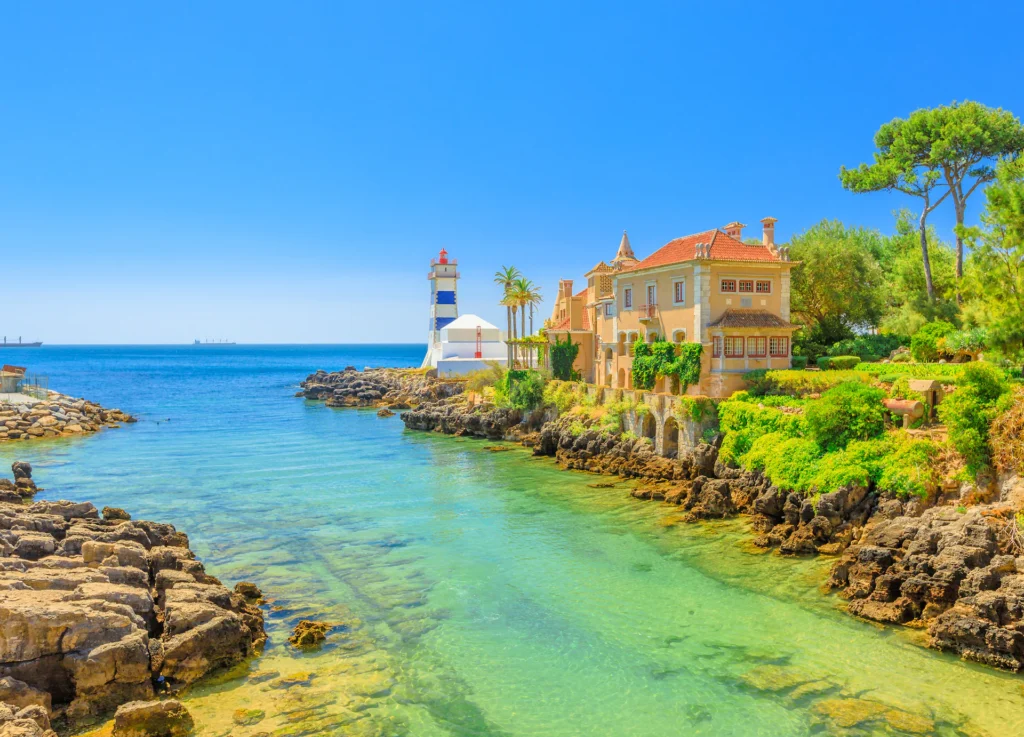
For beach lovers, the Cascais and Estoril coastline is a must. This glamorous seaside resort town, once a favorite of European royalty, boasts golden beaches, cliffside promenades, and charming boutiques. Take the scenic train ride along the coast from Cais do Sodré, stopping at Oeiras for its long sandy stretch or Guincho Beach for windsurfing and dramatic dunes. Further west, Costa da Caparica offers a more local beach experience with seafood shacks and surf schools. Each destination provides a different facet of Portugal’s coastal beauty, all within an hour of Lisbon.
Cultural travelers should consider a trip to Óbidos, a medieval walled village nestled in the countryside. Known for its cherry liqueur (ginjinha) and annual chocolate festival, Óbidos feels frozen in time. Wander its cobbled streets, visit the castle-turned-hotel, and sample local wines at family-run taverns. Another underrated option is Setúbal, a working port city with a vibrant fish market, the scenic Arrábida Natural Park, and access to the Tróia Peninsula. These day trips enrich your Lisbon experience, revealing the diversity of the surrounding region.
Best Time to Visit Lisbon: Weather and Crowds
The best time to visit Lisbon depends on your priorities—whether you prefer warm weather, fewer crowds, or cultural events. Spring (March to May) and autumn (September to October) are widely considered the ideal seasons. Temperatures range from 15°C to 25°C (59°F to 77°F), skies are clear, and the city blooms with flowers or golden light. These months also offer fewer tourists than summer, making it easier to explore popular sites without long waits.
Summer (June to August) brings peak tourism, with temperatures often exceeding 30°C (86°F). While the beaches are inviting and the city pulses with energy—especially during the Santo António Festival in June—popular areas like Alfama and Belém can feel overcrowded. If you visit in summer, plan early morning or late evening sightseeing to avoid the heat and crowds. Winter (November to February) is mild by European standards, with temperatures rarely dropping below 8°C (46°F). It’s the quietest season, perfect for budget travelers and those seeking a more authentic, local experience.
Practical Tips for a Smooth Lisbon Experience
To make the most of your trip, keep a few practical tips in mind. First, learn a few Portuguese phrases—while many locals speak English, a simple “obrigado” (thank you) or “bom dia” (good morning) goes a long way. Second, carry cash, especially for small purchases. While cards are widely accepted, some tascas, markets, and trams still prefer euros. Third, be mindful of pickpockets in tourist-heavy areas like tram 28, metro stations, and busy plazas. Keep your belongings secure and avoid flashing valuables.
When it comes to accommodations, book early—especially during festivals or summer months. Consider staying in centrally located areas like Baixa, Chiado, or Príncipe Real for easy access to attractions. If you’re traveling with family, look for apartments with kitchens to save on meals. Lastly, embrace the local pace. Lunch is typically served from 12:30 PM to 3 PM, and dinner starts around 8 PM. Shops may close for a few hours in the afternoon, so plan accordingly. Respecting local rhythms will enhance your experience and help you connect with the city’s authentic spirit.
Key Takeaways for Visiting Lisbon
- Lisbon offers a complete travel experience blending history, culture, food, and coastal beauty.
- Must-see attractions include Belém Tower, Jerónimos Monastery, Alfama, and São Jorge Castle.
- Explore diverse neighborhoods like Bairro Alto, Chiado, and LX Factory for unique vibes.
- Savor traditional dishes like pastel de nata, bacalhau, and grilled sardines at local tascas.
- Use the Viva Viagem card for seamless travel on metro, trams, and buses.
- Take day trips to Sintra, Cascais, or Óbidos to enrich your itinerary.
- Visit in spring or autumn for ideal weather and fewer crowds.
- Stay aware of pickpockets and embrace the local pace for a smoother trip.
Frequently Asked Questions About Visiting Lisbon
What is the best way to get from Lisbon Airport to the city center?
The most convenient option is the Aerobus (shuttle service) or the metro (Red Line), both of which connect the airport to central stations like Sintra and Oriente. A taxi or Bolt ride takes about 20–30 minutes and costs around €20–€25, depending on traffic.
Is Lisbon safe for solo travelers?
Yes, Lisbon is generally very safe for solo travelers. The city has low crime rates, and locals are friendly and helpful. As with any urban destination, stay alert in crowded areas and avoid poorly lit streets at night. Women traveling alone report feeling comfortable exploring during the day and evening.
Do I need to tip in restaurants in Lisbon?
Tipping is appreciated but not mandatory. A service charge is often included in the bill, but leaving 5–10% for good service is common. In cafés, rounding up the bill is sufficient. Always check the receipt before adding a tip.
Conclusion
Visiting Lisbon is more than just a trip—it’s an immersion into a city that pulses with life, history, and warmth. From its sun-kissed hills and timeless neighborhoods to its world-class cuisine and easy day trips, Lisbon delivers a complete travel experience that lingers long after you’ve left. Whether you’re marveling at Manueline architecture, savoring a fresh pastel de nata, or watching the sunset from a miradouro, every moment in Lisbon feels intentional and memorable. With thoughtful planning and an open mind, your journey through this Portuguese gem will be as enriching as it is enjoyable.