



Prague, often called Europe’s fairytale city, enchants visitors with its cobblestone streets, Gothic spires, and storybook charm. This complete travel guide to Prague reveals everything you need to know to explore the Czech capital like a local. From historic castles and winding alleys to vibrant markets and riverside views, Prague blends medieval grandeur with modern energy. Whether you’re planning a romantic getaway, a cultural deep dive, or a budget-friendly European escape, this guide ensures you won’t miss a single magical moment in one of Europe’s most photogenic destinations.
Why Prague Is Europe’s Fairytale City
Prague earns its reputation as a fairytale city through its remarkably preserved architecture and dreamlike atmosphere. The city’s skyline is dominated by the Prague Castle complex, one of the largest ancient castles in the world, perched atop a hill overlooking the Vltava River. Its red-roofed buildings, Baroque churches, and Gothic towers create a scene straight out of a Brothers Grimm tale. Walking through the Old Town Square, you’ll feel transported to another era, where horse-drawn carriages clip-clop past colorful facades and astronomical clocks chime on the hour.
The city’s layout enhances its enchanting vibe. Narrow, winding lanes lead to hidden courtyards, secret gardens, and centuries-old taverns. Unlike many European capitals that have modernized aggressively, Prague has maintained its historical integrity. UNESCO has recognized its significance by designating the historic center as a World Heritage Site. This preservation ensures that every corner of the city feels authentic and timeless. Whether you’re sipping coffee in a centuries-old café or crossing the iconic Charles Bridge at sunrise, Prague delivers a sense of wonder that few cities can match.
Top Attractions in Prague: Must-See Landmarks
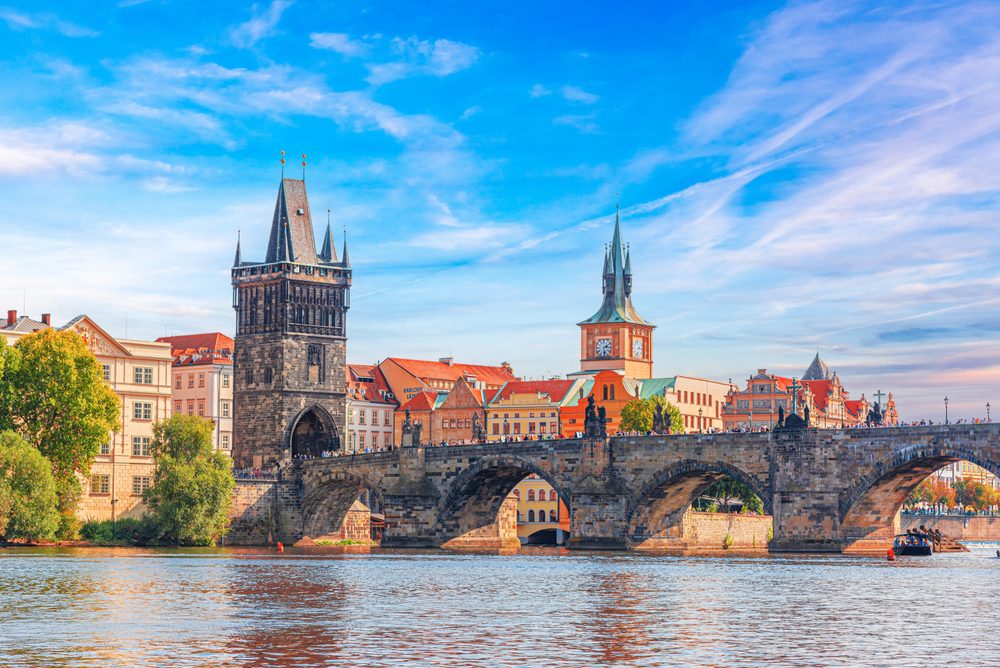
No complete travel guide to Prague would be complete without highlighting its most iconic landmarks. The Charles Bridge is arguably the city’s most photographed site. Spanning the Vltava River, this 14th-century stone bridge is lined with 30 Baroque statues and offers breathtaking views of the castle and riverbanks. Visit early in the morning to avoid crowds and capture the golden light reflecting off the water. The bridge connects the Old Town with the Lesser Town (Malá Strana), making it a central artery in Prague’s historic core.
Another unmissable site is the Prague Astronomical Clock, located in the Old Town Square. Installed in 1410, it’s the oldest functioning astronomical clock in the world. Every hour, crowds gather to watch the animated apostles appear in a small window above the clock face. The square itself is surrounded by colorful Gothic and Baroque buildings, including the Church of Our Lady before Týn and the Old Town Hall. Don’t miss climbing the clock tower for panoramic views of the city’s red rooftops and church spires.
Prague Castle: The Heart of the City
Prague Castle is not just a single building but a vast complex that includes palaces, churches, gardens, and museums. As the official residence of the President of the Czech Republic, it remains a functioning seat of government, yet it welcomes millions of tourists each year. The castle’s St. Vitus Cathedral is a masterpiece of Gothic architecture, with stunning stained glass windows and the tomb of Saint Wenceslas, the patron saint of the Czech state.
Beyond the cathedral, explore the Golden Lane, a row of tiny, colorful houses that once housed castle guards and alchemists. Today, they serve as souvenir shops and a small museum. The castle grounds also feature the Old Royal Palace and the Basilica of St. George, each offering unique insights into Czech history. Allow at least half a day to explore the castle thoroughly, and consider purchasing a combined ticket to access multiple sites efficiently.
Lesser Town and Petřín Hill: Scenic Escapes
The Lesser Town (Malá Strana) is one of Prague’s most picturesque neighborhoods, characterized by its quiet streets, pastel-colored buildings, and tranquil gardens. It’s home to the Wallenstein Gardens, one of the earliest Baroque gardens in Central Europe, complete with fountains, sculptures, and a peaceful pond. The area also hosts the Church of St. Nicholas, a stunning example of High Baroque architecture with a magnificent frescoed ceiling.
For panoramic views of the city, head to Petřín Hill. Accessible by a funicular railway or a scenic hike, the hilltop offers a peaceful retreat from the bustling city center. At the summit stands the Petřín Tower, a steel structure inspired by the Eiffel Tower, which provides 360-degree views of Prague’s skyline. The surrounding park is perfect for a leisurely stroll, picnic, or simply soaking in the atmosphere. Don’t miss the Mirror Maze, a fun optical illusion attraction that adds a playful touch to the experience.
Best Time to Visit Prague: Seasonal Insights
The best time to visit Prague depends on your travel preferences. Spring (April to May) and early autumn (September to October) offer mild weather, fewer crowds, and blooming gardens or golden foliage. These shoulder seasons are ideal for walking tours, outdoor dining, and photography. Temperatures range from 10°C to 20°C (50°F to 68°F), making it comfortable for sightseeing without the summer heat or winter chill.
Summer (June to August) is peak tourist season, with long days, vibrant festivals, and extended opening hours for attractions. However, popular sites like Charles Bridge and Prague Castle can become extremely crowded. If you visit during this time, plan to arrive early or book skip-the-line tickets. Winter (December to February) transforms Prague into a snowy wonderland, especially during the Christmas markets. The city sparkles with lights, mulled wine flows freely, and the atmosphere is cozy and festive. Just be prepared for cold temperatures and shorter daylight hours.
Weather Considerations and Packing Tips
Prague experiences a temperate continental climate, with cold winters and warm summers. Rain is possible year-round, so packing a compact umbrella or waterproof jacket is wise. In winter, thermal layers, a warm coat, gloves, and a hat are essential. Summer visitors should bring light clothing, sunscreen, and comfortable walking shoes. Spring and autumn call for layered outfits to adapt to changing conditions.
Comfortable footwear is non-negotiable in Prague. The city’s cobblestone streets and hilly terrain can be tough on unprepared feet. Opt for supportive, broken-in shoes with good grip. Also, consider bringing a reusable water bottle—Prague has excellent tap water, and public fountains are common. For electronics, a universal power adapter is recommended, as Czech outlets use the European standard (Type C and E).
Getting Around Prague: Transportation Made Easy
Prague boasts an efficient and affordable public transportation system that includes metro, trams, and buses. The metro is fast and covers major tourist areas, while trams are ideal for shorter trips and scenic rides through the city center. A single ticket costs around 30 CZK (about $1.30 USD) and is valid for 90 minutes across all modes. For longer stays, consider a 24-hour (120 CZK), 72-hour (330 CZK), or weekly pass for unlimited travel.
Walking is one of the best ways to explore Prague, especially in the historic center. Many attractions are within a 15- to 30-minute walk of each other. The city is compact and pedestrian-friendly, with clear signage and well-marked routes. For a unique experience, take a river cruise along the Vltava. These range from short sightseeing trips to dinner cruises with live music. Taxis are available but should be booked through reputable companies like AAA or Liftago to avoid overcharging.
Navigating the Metro and Tram System
The Prague metro has three lines (A, B, and C) that intersect at key stations like Muzeum and Můstek. Stations are clean, safe, and well-lit, with electronic displays showing arrival times. Validate your ticket upon boarding trams and buses—inspections are common, and fines for invalid tickets are steep. The tram network is extensive, with some lines running 24 hours on weekends.
For first-time visitors, downloading the PID Lítačka app is highly recommended. It provides real-time schedules, route planning, and mobile ticketing. The app supports multiple languages and integrates all public transport options. Alternatively, paper maps are available at metro stations and tourist information centers. Remember that trams and buses stop on request—press the red button near the door to signal your stop.
Where to Stay in Prague: Neighborhoods and Accommodations
Choosing the right neighborhood can greatly enhance your Prague experience. The Old Town (Staré Město) is the most central and tourist-friendly area, with easy access to major attractions, restaurants, and shops. It’s ideal for first-time visitors who want to be in the heart of the action. However, it can be noisy and crowded, especially at night.
The Lesser Town (Malá Strana) offers a quieter, more residential atmosphere while still being close to Prague Castle and Charles Bridge. It’s perfect for travelers seeking charm and tranquility. New Town (Nové Město) is more modern, with wider streets, shopping centers, and a vibrant nightlife scene. It’s well-connected by public transport and suits those who prefer a mix of history and contemporary comfort.
Budget, Mid-Range, and Luxury Options
Prague offers accommodations for every budget. Budget travelers can find clean, centrally located hostels starting at 500 CZK ($22 USD) per night. Many include free Wi-Fi, breakfast, and communal kitchens. Mid-range hotels and boutique guesthouses range from 1,500 to 3,500 CZK ($65–$150 USD) and often feature stylish interiors, en-suite bathrooms, and personalized service.
Luxury hotels like the Four Seasons, Augustine, and Mandarin Oriental offer five-star amenities, spa services, and fine dining. Prices start around 6,000 CZK ($260 USD) per night. For a unique stay, consider a historic apartment in a converted townhouse or a riverside loft with views of the castle. Booking platforms like Booking.com, Airbnb, and Hotels.com offer detailed filters to match your preferences and budget.
Prague Food and Drink: A Culinary Adventure
Prague’s culinary scene blends traditional Czech flavors with international influences. Must-try dishes include svíčková, a marinated beef sirloin in creamy vegetable sauce served with bread dumplings and cranberry compote, and guláš, a hearty goulash stew. For a quick bite, sample trdelník, a sweet pastry rolled in sugar and nuts, often filled with ice cream or Nutella.
Local pubs, or hospody, are central to Czech culture. They serve draft beer—often cheaper than bottled water—and hearty meals in a cozy, unpretentious setting. Pilsner Urquell and Budvar are popular Czech lagers. Don’t miss trying medovník, a honey cake, or kofola, a local cola alternative. For fine dining, restaurants like Field, La Degustation, and Eska offer modern Czech cuisine with a creative twist.
Markets and Food Tours
For a taste of local life, visit the Naplavka Farmers’ Market along the Vltava River. Held on weekends, it features organic produce, artisanal cheeses, fresh bread, and street food from around the world. The market also hosts live music and craft stalls, making it a lively weekend destination.
Food tours are an excellent way to explore Prague’s culinary landscape. Guided tours take you to hidden eateries, historic taverns, and specialty shops, offering tastings of beer, pastries, and traditional dishes. Many tours are led by local foodies who share stories about Czech cuisine and culture. Options range from 2-hour walking tours to multi-course dinner experiences.
Day Trips from Prague: Exploring Beyond the City
While Prague itself is rich in attractions, several nearby destinations make for rewarding day trips. Český Krumlov, a UNESCO-listed town in South Bohemia, is a 2.5-hour drive or train ride away. Its winding streets, Renaissance castle, and scenic river setting make it a favorite among travelers. Karlštejn Castle, just 40 minutes from Prague, was built in the 14th century to protect the royal crown jewels and offers guided tours through its fortified chambers.
For nature lovers, the Bohemian Switzerland National Park offers dramatic sandstone formations, hiking trails, and the iconic Pravčická Gate, the largest natural sandstone arch in Europe. Accessible by train and bus, the park is perfect for a full-day adventure. Another option is Kutná Hora, a historic silver-mining town known for its Gothic cathedral and the eerie Sedlec Ossuary, decorated with human bones.
Transportation for Day Trips
Most day trips from Prague are accessible by public transport. Trains and buses depart regularly from main stations like Praha hlavní nádraží (main train station) and Florenc. Booking tickets in advance through websites like IDOS or RegioJet can save time and money. For more flexibility, consider renting a car or joining an organized tour, which often includes transportation, guide, and entrance fees.
When planning your itinerary, allow extra time for travel and check opening hours, especially for castles and museums. Some attractions close on Mondays or have limited winter hours. Packing snacks, water, and a portable charger ensures a comfortable journey. Always carry a map or download offline versions in case of poor signal in rural areas.
Key Takeaways
- Prague is Europe’s fairytale city, known for its preserved medieval architecture, cobblestone streets, and enchanting atmosphere.
- Top attractions include Prague Castle, Charles Bridge, the Astronomical Clock, and Petřín Hill.
- The best time to visit is during spring or early autumn for mild weather and fewer crowds.
- Public transportation is efficient and affordable, with metro, trams, and buses covering the city.
- Stay in the Old Town for convenience, Lesser Town for charm, or New Town for modern comfort.
- Try traditional Czech dishes like svíčková and guláš, and enjoy local beer in authentic pubs.
- Explore nearby destinations like Český Krumlov, Karlštejn Castle, and Bohemian Switzerland National Park.
Conclusion
A complete travel guide to Prague reveals a city where history, culture, and charm converge in perfect harmony. From the fairy-tale spires of Prague Castle to the lively energy of the Old Town Square, every corner of this European gem tells a story. Whether you’re marveling at Gothic architecture, savoring hearty Czech cuisine, or taking in panoramic views from Petřín Hill, Prague offers an unforgettable experience. With its efficient transport, diverse accommodations, and rich cultural offerings, the city welcomes travelers of all interests and budgets. Plan your visit with this guide, and discover why Prague truly deserves its title as Europe’s fairytale city.
FAQs
What is the best way to get from Prague Airport to the city center?
The most convenient options are the Airport Express bus (AE), which connects to the main train station, or the regular bus 119 to Nádraží Veleslavín metro station. A taxi or ride-sharing service like Uber is also available and takes about 30 minutes, depending on traffic.
Is Prague safe for tourists?
Yes, Prague is generally safe for tourists. Like any major city, be aware of pickpockets in crowded areas such as Charles Bridge, public transport, and tourist hotspots. Avoid poorly lit alleys at night and keep your belongings secure.
Do I need to speak Czech to get around Prague?
No, English is widely spoken in tourist areas, hotels, and restaurants. Most signs are bilingual, and younger locals often speak fluent English. Learning a few basic Czech phrases like “Děkuji” (thank you) and “Prosím” (please) is appreciated and enhances your experience.