









London is a city where history and modernity collide in the most captivating way. Whether you’re drawn to its world-famous landmarks or the hidden corners known only to locals, this London travel guide delivers exactly what you need. From the Tower of London to a quiet riverside pub in Bermondsey, we’ll walk you through the must-see attractions and the under-the-radar gems that make London truly unforgettable. This guide blends practical tips with insider knowledge, ensuring your visit is both seamless and deeply authentic.
Why This London Travel Guide Stands Out
Most travel guides list the same top attractions—Big Ben, the London Eye, Buckingham Palace—but few reveal what lies beyond the postcards. This London travel guide goes deeper, offering curated insights into both iconic landmarks and local secrets. We focus on experiences, not just checklists. Whether you’re a first-time visitor or a seasoned traveler returning for another layer of discovery, our approach balances efficiency with authenticity.
We’ve spent years exploring London’s neighborhoods, speaking with residents, and testing routes, transport options, and hidden spots. The result is a guide that doesn’t just tell you where to go—it tells you how to go, when to go, and why it matters. From avoiding crowds at major sites to finding the best Sunday roast in South London, every recommendation is grounded in real experience and local insight.
Top Iconic Landmarks Every Visitor Must See
No London travel guide would be complete without highlighting the city’s most iconic landmarks. These are the symbols of London recognized around the world, and for good reason. The Tower of London, with its 1,000-year history, houses the Crown Jewels and tells tales of royalty, betrayal, and execution. Just across the Thames, Tower Bridge offers panoramic views and a glass-floored walkway that’s as thrilling as it is Instagram-worthy.
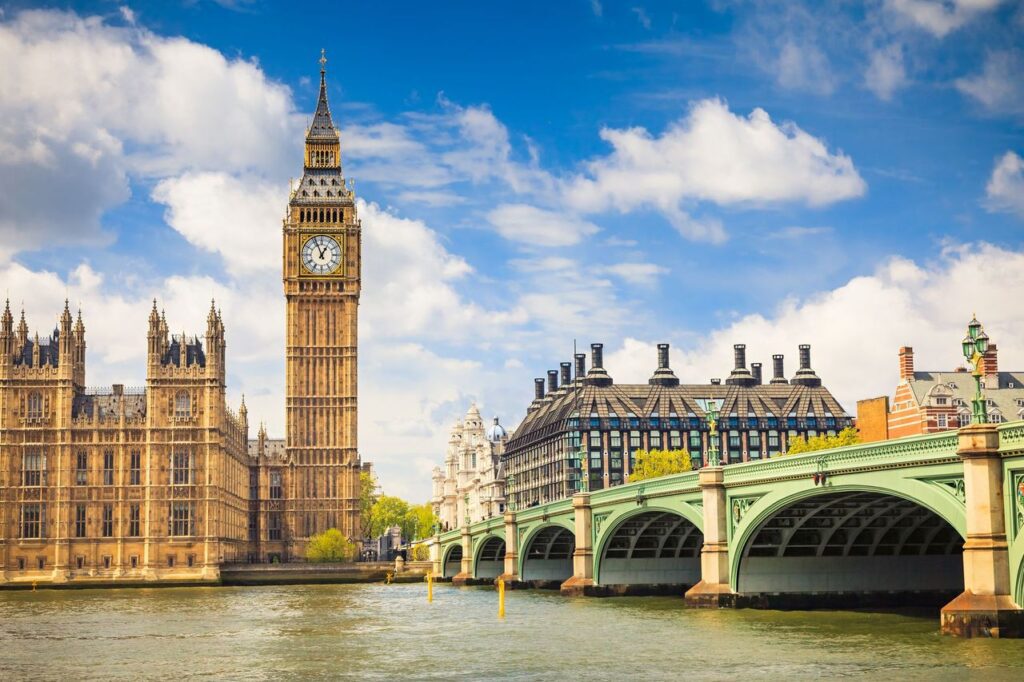
Westminster Abbey, the site of coronations and royal weddings, stands as a masterpiece of Gothic architecture. Nearby, the Houses of Parliament and Big Ben (officially the Elizabeth Tower) dominate the skyline. A short walk brings you to Buckingham Palace, where you can witness the Changing of the Guard—a ceremonial tradition that draws crowds but remains a must-see. These landmarks aren’t just photo ops; they’re living pieces of British heritage.
Best Times to Visit Major Attractions
- Tower of London: Arrive at opening time (9:00 AM) or book a Yeoman Warder tour to avoid queues.
- Buckingham Palace: Visit during summer months (July–September) when the State Rooms are open.
- London Eye: Sunset slots offer stunning views; book online to skip the line.
- Westminster Abbey: Weekday mornings are quieter; avoid Sundays when services are held.
Timing is everything in London. Many top attractions are free to enter, but paid experiences—like the London Eye or Tower Bridge Exhibition—offer faster access and enhanced views. Consider purchasing a London Pass if you plan to visit multiple paid sites, as it can save both time and money.
Local Secrets: Hidden Gems Beyond the Tourist Trail
While iconic landmarks define London’s global image, its true soul lives in the neighborhoods. This London travel guide shines a light on places that don’t make it into mainstream itineraries. Start with Neal’s Yard in Covent Garden—a rainbow-hued courtyard tucked behind a nondescript alley. It’s a haven for independent cafes, holistic shops, and street performers, offering a burst of color and creativity in the heart of the West End.
For a quieter riverside escape, head to the Greenwich Foot Tunnel. This pedestrian underpass beneath the Thames connects Greenwich to the Isle of Dogs and offers a unique perspective of the river. On the other side, the Trinity Buoy Wharf</> is home to artist studios, the Longplayer installation, and the quirky Container City—a community built from shipping containers. It’s a creative enclave few tourists ever find.
Neighborhoods with Local Flavor
- Camden: Beyond the market, explore the Regent’s Canal towpath for street art and indie cafes.
- Brixton: Visit the covered market for Caribbean food, vintage shops, and live music.
- Shoreditch: Hunt for hidden speakeasies and mural-covered alleys in this East London hotspot.
- Richmond: Escape to Richmond Park for deer sightings and peaceful walks in a royal park.
These areas offer a more authentic slice of London life. Locals don’t just live here—they thrive here. Whether it’s a Sunday market in Brockley or a poetry reading in a Hackney pub, these experiences connect you to the city’s evolving culture. Don’t be afraid to wander; some of the best discoveries happen off the map.
Getting Around London: Transport Tips from a Local
London’s public transport system is one of the most efficient in the world, but it can be overwhelming for first-time visitors. The key is to embrace the Oyster Card or contactless payment. Both work on the Tube, buses, DLR, and most National Rail services within Greater London. Avoid buying single tickets—they’re significantly more expensive.
The Tube (London Underground) is fast and covers the city comprehensively, but it can be crowded during rush hours. For a more scenic route, try the bus. Route 24, for example, runs from Pimlico to Hampstead Heath and passes many landmarks. Night buses are also safe and affordable if you’re out late. Walking is underrated—London is surprisingly walkable, especially in central areas like Westminster, South Bank, and Covent Garden.
Transport Hacks for Smoother Travel
- Download the TfL Go app for real-time updates and journey planning.
- Use the Santander Cycles bike-sharing scheme for short trips (£2 per 30 minutes).
- Avoid driving—congestion charges and limited parking make it impractical.
- Take the Thames Clipper river bus for a unique view of the city skyline.
One local secret: the DLR (Docklands Light Railway) is often faster than the Tube for East London destinations like Canary Wharf and Stratford. It’s also elevated in parts, offering great views of the city. For airport transfers, the Heathrow Express is quick but pricey; the Tube (Piccadilly Line) is cheaper and only slightly slower.
Where to Eat: From Michelin Stars to Market Stalls
London’s food scene is as diverse as its population. This London travel guide wouldn’t be complete without highlighting the culinary journey awaiting you. Start with a traditional English breakfast at Dishoom in Covent Garden—a Bombay-inspired café that’s become a London institution. Their bacon naan roll is legendary.
For fine dining, The Ledbury in Notting Hill offers modern European cuisine with a Michelin star. But you don’t need a reservation or a big budget to eat well. Borough Market, open Wednesday to Sunday, is a food lover’s paradise. Sample artisanal cheeses, fresh oysters, and Moroccan tagines while soaking in the historic atmosphere. Don’t miss the Padella pasta stall—long queues are worth it for their silky pappardelle.
Budget-Friendly Eats with Big Flavor
- Franco Manca: Sourdough pizzas from £5 in multiple locations.
- Hoppers: Sri Lankan street food in Soho—try the egg hoppers and kottu roti.
- Kerb Markets: Street food festivals in Camden, Shoreditch, and Kings Cross.
- Polpo: Venetian-style small plates in a cozy setting.
Tea culture is alive and well in London. Skip the tourist traps and head to Fortnum & Mason for a classic afternoon tea, or try The Wolseley for an Art Deco experience. For something more relaxed, Monmouth Coffee in Borough serves some of the best brews in the city. And if you’re craving something sweet, Gail’s Bakery offers fresh pastries and sourdough loaves at reasonable prices.
Best Time to Visit London: Weather, Events & Crowds
London is a year-round destination, but the best time to visit depends on your priorities. Summer (June–August) offers long days, warm weather, and outdoor festivals, but also peak crowds and higher prices. Spring (March–May) and autumn (September–October) are ideal—mild weather, fewer tourists, and beautiful foliage in parks like Hyde Park and Kew Gardens.
Winter (November–February) is colder and wetter, but it’s magical during the holiday season. Christmas lights illuminate Oxford Street and Regent Street, and Winter Wonderland in Hyde Park transforms the area into a festive wonderland. New Year’s Eve fireworks over the Thames are spectacular, though you’ll need to arrive early or book a viewing spot in advance.
Major Events to Plan Around
- Notting Hill Carnival: Late August—Europe’s largest street festival with Caribbean music and food.
- London Fashion Week: February and September—high-end fashion shows and pop-ups.
- Thames Festival: September—celebrating the river with art, music, and boat parades.
- Guy Fawkes Night: November 5th—bonfires and fireworks across the city.
Even in peak season, you can avoid crowds by visiting popular sites early in the morning or later in the evening. Many museums and galleries offer late-night openings on certain days—check their websites for details. And remember: Londoners love a good queue, but you don’t have to join every one.
Cultural Etiquette & Practical Tips for Travelers
London is a cosmopolitan city, but it has its own unwritten rules. Politeness is paramount—say “please” and “thank you” often, and always stand on the right side of escalators (left is for walking). On the Tube, offer your seat to those who need it more, and avoid loud conversations or phone calls.
Tipping is appreciated but not mandatory. In restaurants, 10–12.5% is standard if service isn’t included. In pubs, it’s common to offer to buy a round if you’re with a group. Tipping taxi drivers is optional—rounding up is fine.
Essential Travel Tips
- Carry a reusable water bottle—London has many free refill stations.
- Download offline maps; some Tube stations have poor signal.
- Be aware of pickpockets in crowded areas like Oxford Circus and Leicester Square.
- Respect quiet zones on public transport—especially on night buses.
London is generally safe, but like any major city, it pays to stay alert. Keep your belongings secure, especially in busy markets and on public transport. If you’re lost, don’t hesitate to ask a local—Londoners are often more helpful than their reserved reputation suggests.
Key Takeaways
- This London travel guide balances iconic landmarks with local secrets for a well-rounded experience.
- Visit major attractions early or book in advance to avoid crowds.
- Explore neighborhoods like Brixton, Shoreditch, and Greenwich for authentic culture.
- Use Oyster or contactless payment for seamless travel on public transport.
- Eat at a mix of high-end restaurants and local markets for the full culinary picture.
- Spring and autumn offer the best weather and fewer tourists.
- Respect local customs—politeness and awareness go a long way.
Conclusion
London is a city of layers—each visit reveals something new. Whether you’re marveling at the Crown Jewels or sipping coffee in a hidden courtyard, this London travel guide ensures you experience the city like a savvy traveler. It’s not just about seeing the sights; it’s about feeling the rhythm of the city, from the chime of Big Ben to the laughter in a South London pub.
With its mix of history, culture, and innovation, London rewards curiosity. Use this guide as your compass, but leave room for spontaneity. Some of the best moments happen when you step off the beaten path. So pack your walking shoes, charge your Oyster card, and get ready to fall in love with one of the world’s greatest cities.
FAQ
What are the must-see landmarks in London?
The Tower of London, Buckingham Palace, Westminster Abbey, the London Eye, and Tower Bridge are essential stops. Each offers a unique glimpse into London’s history and culture.
How can I avoid crowds at popular attractions?
Visit early in the morning, book timed-entry tickets online, or explore during off-peak seasons like spring or autumn. Late afternoon visits can also be quieter.
Is London expensive for tourists?
London can be pricey, but many attractions are free, including museums like the British Museum and Tate Modern. Use public transport, eat at markets, and stay in areas outside central zones to save money.