
Looking for a destination where vibrant art, pulsating music, and stunning coastal scenery converge? Dakar, the dynamic capital of Senegal, offers an unforgettable blend of creative energy and natural beauty. This Dakar travel guide dives deep into the city’s artistic soul, rhythmic heartbeat, and sun-kissed shoreline—perfect for travelers seeking culture, inspiration, and relaxation. From bustling markets filled with handcrafted treasures to beachfront cafes echoing with mbalax rhythms, Dakar delivers an authentic West African experience that’s as rich in spirit as it is in scenery.
Discover Dakar’s Thriving Art Scene
Dakar is a cultural powerhouse, long recognized as a hub for African contemporary art. The city pulses with creativity, from street murals in the Medina district to world-class galleries like the IFAN Museum of African Arts. This institution, housed in a colonial-era building, showcases an extensive collection of traditional masks, sculptures, and textiles that trace the artistic heritage of West Africa. Visitors can explore centuries of craftsmanship while gaining insight into the spiritual and social significance behind each piece.
Beyond formal institutions, Dakar’s art scene thrives in open-air markets and community spaces. The Sandaga Market is a sensory feast, where artisans sell hand-painted fabrics, carved wooden figures, and intricate jewelry. Local artists often work on-site, allowing travelers to witness the creative process firsthand. The city also hosts the renowned Dakar Biennale, a biennial festival that draws international artists and curators, transforming the city into a living canvas of innovation and expression.
Street Art and Public Installations
Wandering through Dakar’s neighborhoods reveals a city that celebrates art in everyday life. In the Plateau district, colorful murals depict historical figures, cultural symbols, and social messages, turning ordinary walls into storytelling platforms. These public artworks reflect the resilience and optimism of Senegalese people, often created through community-led initiatives.
One standout example is the Mur du Souvenir (Wall of Remembrance), a powerful installation honoring victims of political violence. Nearby, the Village des Arts in the Ouakam suburb offers a sanctuary for working artists. This creative enclave features studios, exhibition spaces, and residencies, fostering collaboration between local and international creators. It’s a must-visit for anyone interested in the evolving landscape of African art.
Support Local Artists and Artisans
To truly engage with Dakar’s art culture, consider purchasing directly from local creators. Markets like Kermel and Hann Maristes offer authentic, handmade goods—from batik fabrics to bronze sculptures—that make meaningful souvenirs. Supporting these artisans not only brings home a piece of Dakar but also contributes to the sustainability of the local creative economy.
Many artists also welcome visitors into their workshops, offering behind-the-scenes glimpses into their techniques and inspirations. Whether you’re drawn to painting, sculpture, or textile design, Dakar’s art community is open, welcoming, and deeply passionate about preserving and evolving its cultural legacy.
Experience the Rhythmic Heartbeat of Dakar’s Music
Music is the lifeblood of Dakar, and no visit is complete without immersing yourself in its vibrant soundscape. The city is the birthplace of mbalax, a high-energy fusion of traditional Wolof rhythms and modern pop, popularized globally by the legendary Youssou N’Dour. From street corners to nightclubs, the syncopated beats of the sabar drum echo through the city, inviting spontaneous dance and celebration.
Live music is everywhere in Dakar. Venues like Just4You and Le Djoloff host nightly performances featuring local bands, jazz ensembles, and Afrobeat artists. These intimate spaces offer a front-row seat to the city’s musical evolution, where traditional instruments blend seamlessly with electric guitars and synthesizers. Even casual beachside bars often feature live acts, turning sunset drinks into impromptu concerts.
Traditional Rhythms and Modern Beats
To understand Dakar’s musical soul, one must experience the power of the sabar drum. These tall, narrow drums are played in ensembles during ceremonies, festivals, and community gatherings. The rhythms are complex and deeply rooted in Wolof culture, often accompanied by call-and-response singing and energetic dance.
At the same time, Dakar is a breeding ground for innovation. Young musicians experiment with genres like hip-hop, reggae, and electronic music, creating a sound that’s distinctly urban and forward-thinking. Artists such as Didier Awadi and Xuman use their platforms to address social issues, blending artistry with activism. This dynamic interplay between tradition and modernity defines Dakar’s musical identity.
Festivals and Cultural Events
Dakar’s calendar is packed with music festivals that draw crowds from across Africa and beyond. The Saint-Louis Jazz Festival, though held in a nearby city, has strong ties to Dakar’s music scene and attracts many local performers. Closer to home, the Festival International de la Mode de Dakar (FIDAK) often features musical performances alongside fashion shows, highlighting the intersection of art forms.
Another highlight is the Ramadan Night Market, where food, music, and community come together after sunset. As families break their fast, musicians take to makeshift stages, filling the air with soulful melodies and rhythmic beats. These events offer a deeply personal glimpse into Senegalese life and the central role music plays in daily rituals.
Relax and Rejuvenate Along Dakar’s Coastal Beauty
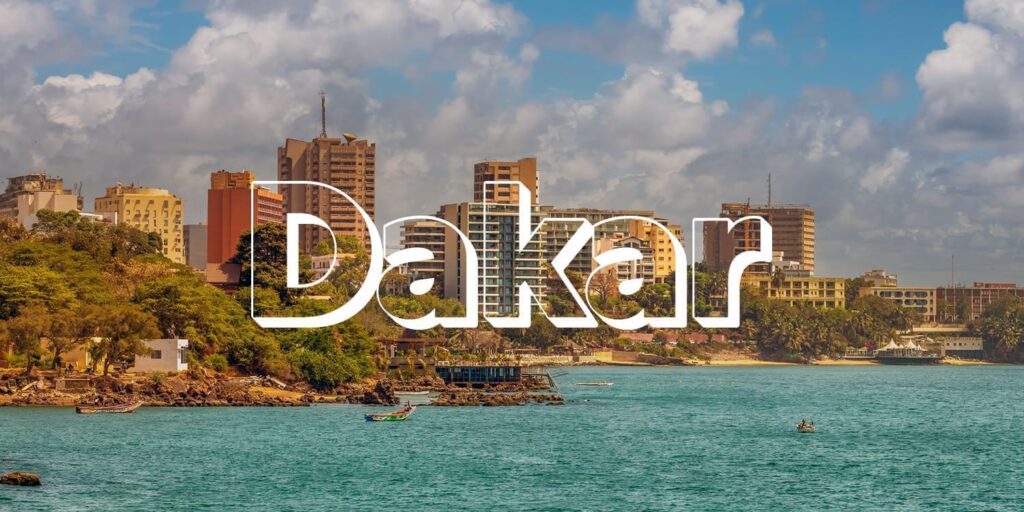
Dakar’s coastline is a stunning contrast to its urban energy—a stretch of golden beaches, rocky cliffs, and turquoise waters that beckon travelers to unwind. The city’s Atlantic shoreline offers everything from lively beach clubs to quiet coves perfect for reflection. Whether you’re seeking adventure or serenity, Dakar’s coastal beauty delivers.
One of the most iconic spots is Yoff Beach, located just north of the city center. Known for its vibrant fishing community, Yoff is where brightly painted pirogues (traditional wooden boats) dot the shoreline each morning. Visitors can watch fishermen haul in their catch, take boat tours, or simply relax under the shade of palm trees. The beach is also a hotspot for kite surfing and windsurfing, thanks to consistent ocean winds.
Beachfront Dining and Sunset Views
No coastal experience in Dakar is complete without savoring fresh seafood at a beachfront restaurant. Places like La Case du Pecheur in Yoff serve grilled fish, octopus, and prawns, often accompanied by attieke (cassava couscous) or yassa (onion and lemon sauce). Dining here as the sun dips below the horizon is a sensory delight—warm breezes, the sound of waves, and the aroma of spices filling the air.
For a more upscale experience, Le Ngor Diarama offers panoramic views of the Atlantic from its cliffside terrace. This restaurant and hotel complex is a favorite among locals and tourists alike, combining elegant ambiance with authentic Senegalese cuisine. Whether you’re enjoying a casual meal or a romantic dinner, the coastal setting elevates every bite.
Explore Hidden Gems and Coastal Villages
Beyond the main beaches, Dakar’s coastline hides lesser-known treasures. A short drive south leads to Ngor Island, a peaceful village accessible by a narrow sandbar at low tide. Here, visitors can wander quiet streets, interact with friendly locals, and enjoy pristine beaches without the crowds. The island is also home to the Ngor Village Museum, which showcases traditional architecture and daily life.
Further along the coast, Popenguine is a protected nature reserve known for its biodiversity and spiritual significance. The area is home to a small fishing village and a Benedictine monastery, offering a blend of natural beauty and cultural depth. Hiking trails wind through lush vegetation to secluded beaches, making it an ideal escape for nature lovers.
Immerse Yourself in Dakar’s Cultural Fusion
Dakar is more than a city—it’s a cultural crossroads where African traditions meet French colonial influence, creating a unique identity that’s both modern and deeply rooted. This fusion is evident in its architecture, cuisine, and daily life. Walking through the Plateau district, you’ll see grand colonial buildings housing government offices and cafes, while nearby, vibrant markets buzz with activity.
The city’s culinary scene is a reflection of this blend. Dishes like thieboudienne (fish and rice) and mafé (peanut stew) are staples, often served with a side of French bread or baguette. Cafes offer espresso and croissants alongside traditional mint tea, creating a fusion that’s uniquely Dakarois. Food tours are a great way to explore this diversity, with guides leading travelers through markets and family-run eateries.
Language, Religion, and Daily Life
French is the official language, but Wolof is widely spoken on the streets. Learning a few basic phrases—like “Jërejëf” (thank you) or “Na nga def?” (how are you?)—goes a long way in building connections. Islam is the predominant religion, and the call to prayer echoes five times a day, adding a spiritual rhythm to the city’s pace.
Despite its urban density, Dakar maintains a strong sense of community. Neighbors greet each other warmly, and family gatherings are central to social life. Visitors are often welcomed with open arms, invited to share meals or join in celebrations. This hospitality is one of the city’s most enduring charms.
Shopping for Authentic Souvenirs
For travelers seeking meaningful mementos, Dakar’s markets are treasure troves. The Sandaga Market is the largest, offering everything from spices and fabrics to handmade instruments and religious artifacts. Bargaining is expected, and engaging with vendors can lead to fascinating conversations about craftsmanship and culture.
Artisans in the Hann Maristes area specialize in leather goods, producing high-quality bags, shoes, and wallets. Many items are custom-made, allowing travelers to leave with a truly unique piece. Supporting these local businesses helps sustain traditional crafts in a rapidly modernizing world.
Plan Your Perfect Dakar Adventure
To make the most of your trip, timing is key. The best months to visit Dakar are between November and March, when the weather is dry and temperatures are mild. This is also peak tourist season, so booking accommodations and tours in advance is recommended. The city is generally safe for travelers, but it’s wise to stay aware of your surroundings, especially in crowded areas.
Getting around Dakar is relatively easy. Taxis are affordable and widely available, though it’s best to agree on a fare before starting the ride. For a more local experience, try the car rapide—colorful minibuses that follow fixed routes. Renting a car offers flexibility, but traffic can be chaotic, especially during rush hour.
Where to Stay in Dakar
Accommodations in Dakar range from luxury beachfront resorts to budget-friendly guesthouses. The Radisson Blu Hotel offers modern amenities and stunning ocean views, while La Maison Rose provides a charming, boutique experience in the heart of the Plateau. For a more authentic stay, consider a family-run gîte in Ngor or Yoff, where hosts often share meals and stories with guests.
Many travelers appreciate the balance between comfort and cultural immersion. Staying in a coastal neighborhood allows easy access to beaches and local life, while still being within reach of the city’s cultural attractions. No matter where you stay, Dakar’s warmth and energy will make you feel at home.
Essential Tips for Travelers
Before you go, ensure your passport is valid for at least six months and check visa requirements. Most visitors can obtain a visa on arrival, but it’s best to confirm with the nearest Senegalese embassy. Travel insurance is highly recommended, especially if you plan to engage in water sports or remote excursions.
Respect local customs by dressing modestly, particularly when visiting religious sites or rural areas. Photography is generally welcomed, but always ask for permission before taking pictures of people. And don’t forget to try the local coffee—Dakar’s café culture is a delightful blend of French elegance and African warmth.
Key Takeaways
- Dakar’s art scene is vibrant and accessible, with galleries, markets, and public installations showcasing both traditional and contemporary works.
- The city’s music culture is rooted in mbalax and sabar rhythms, with live performances available nightly in clubs, bars, and festivals.
- Coastal beauty defines Dakar’s shoreline, offering golden beaches, fishing villages, and stunning sunsets ideal for relaxation and adventure.
- Travelers can immerse themselves in a rich cultural fusion of African traditions and French influences, evident in food, language, and daily life.
- Planning ahead—especially for accommodations and transportation—ensures a smooth and enjoyable visit to this dynamic West African capital.
Conclusion
Dakar is a city that captivates the senses and nourishes the soul. Whether you’re drawn to its bold art, infectious music, or breathtaking coastline, this Dakar travel guide reveals a destination where culture and nature coexist in perfect harmony. From the rhythmic pulse of the sabar drum to the golden sands of Yoff Beach, every moment in Dakar tells a story of resilience, creativity, and beauty. It’s a place that doesn’t just welcome visitors—it invites them to become part of its ongoing narrative. For travelers seeking authenticity, inspiration, and unforgettable experiences, Dakar stands out as one of Africa’s most compelling destinations.
FAQs
What is the best time to visit Dakar for art and music events?
The ideal time is during the dry season, from November to March, when the weather is pleasant and cultural events like the Dakar Biennale and local music festivals are in full swing. This period offers the best combination of comfort and cultural activity.
Is Dakar safe for solo travelers interested in art and coastal exploration?
Yes, Dakar is generally safe for solo travelers, especially in well-trafficked areas like the Plateau, Yoff, and Ngor. As with any city, it’s important to stay aware of your surroundings, avoid walking alone at night in isolated areas, and use trusted transportation.
Can I buy authentic Senegalese art and music in Dakar?
Absolutely. Markets like Sandaga and Hann Maristes offer a wide range of authentic crafts, from paintings and sculptures to handmade instruments. Many artists sell directly, ensuring your purchase supports the local creative community.