


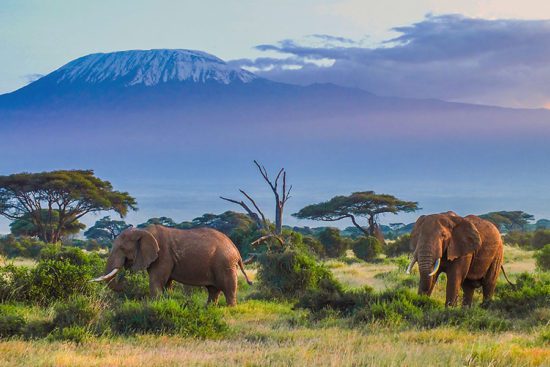
Dreaming of a safari under endless skies, turquoise waters lapping white-sand shores, and the majestic silhouette of Africa’s highest peak? Tanzania delivers all three in one unforgettable journey. This Tanzania travel guide covers everything you need to know about experiencing the country’s world-famous wildlife, pristine beaches, and towering mountains. From the Serengeti’s Great Migration to Zanzibar’s coral reefs and the snow-capped summit of Mount Kilimanjaro, Tanzania offers a diverse adventure like no other. Whether you’re a nature lover, thrill-seeker, or culture enthusiast, this guide ensures your trip is seamless, safe, and spectacular.
Wildlife Safaris: The Heart of Tanzania Travel
Tanzania is synonymous with wildlife, and for good reason. The country boasts some of the most biodiverse ecosystems on the planet, making it a premier destination for safari enthusiasts. The Serengeti National Park, a UNESCO World Heritage Site, is the crown jewel of Tanzania’s wildlife offerings. Spanning over 14,750 square kilometers, it’s home to the annual Great Migration—a breathtaking spectacle where over 1.5 million wildebeest, 200,000 zebras, and thousands of gazelles traverse the plains in search of fresh grazing. This natural phenomenon, often called the “Greatest Show on Earth,” peaks between July and October but offers year-round wildlife viewing.
Beyond the Serengeti, Tanzania’s Ngorongoro Conservation Area features the world’s largest intact volcanic caldera. The Ngorongoro Crater is a self-contained ecosystem teeming with lions, elephants, rhinos, and hippos. Its dense concentration of wildlife makes it one of the best places in Africa to see the Big Five in a single day. For a more off-the-beaten-path experience, consider visiting the Selous Game Reserve or Ruaha National Park, where fewer crowds and vast wilderness create a raw, authentic safari atmosphere. Guided game drives, walking safaris, and hot air balloon rides offer varied perspectives on Tanzania’s wild heart.
Beach Escapes: Zanzibar and the Coastal Paradise
After days of game drives and mountain treks, Tanzania’s coastline offers a serene contrast with its idyllic beaches and turquoise waters. Zanzibar, an archipelago off the mainland, is the most famous beach destination in Tanzania. Known as the “Spice Island,” Zanzibar blends natural beauty with rich cultural heritage. Stone Town, a UNESCO-listed historic center, features winding alleys, Arab-influenced architecture, and bustling markets filled with cloves, cinnamon, and vanilla. Beyond the town, pristine beaches like Nungwi, Paje, and Jambiani offer powdery white sand, clear waters, and vibrant coral reefs perfect for snorkeling and diving.
For travelers seeking luxury, Zanzibar’s private island resorts and boutique beachfront lodges provide world-class amenities. Mnemba Island, just off Zanzibar’s northeast coast, is a marine conservation area with a luxury resort and some of the best diving in the Indian Ocean. Further south, the Mafia Island Marine Park offers untouched reefs and seasonal whale shark encounters—ideal for eco-conscious travelers. Whether you’re lounging under a palm tree, exploring historic ruins, or swimming with dolphins, Tanzania’s beaches deliver relaxation and adventure in equal measure.
Mountains of Tanzania: Conquer Kilimanjaro and More
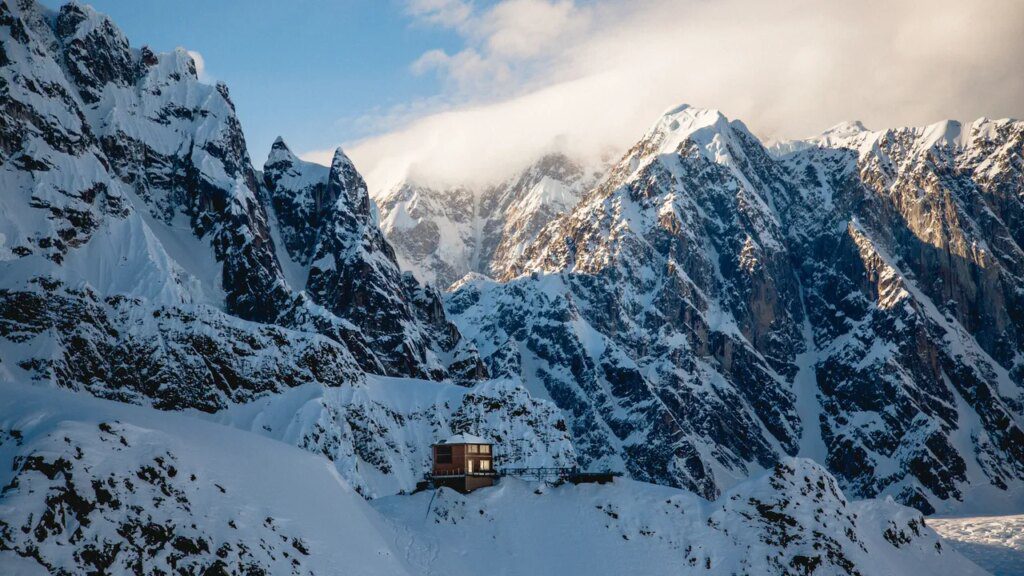
For adventurers, Tanzania’s mountains are a siren call. Mount Kilimanjaro, Africa’s highest peak at 5,895 meters (19,341 feet), dominates the northern landscape and draws climbers from around the globe. Unlike other major summits, Kilimanjaro requires no technical climbing skills—just endurance, preparation, and acclimatization. Several routes, including the popular Machame and Lemosho paths, offer varying levels of difficulty and scenic diversity, from rainforest to alpine desert and glacial ice. Most climbers take 6–9 days to reach Uhuru Peak, with summit success rates ranging from 65% to 85%, depending on the route and preparation.
Beyond Kilimanjaro, Mount Meru—Tanzania’s second-highest mountain—offers a challenging but less crowded alternative. Located in Arusha National Park, Meru provides stunning views of Kilimanjaro and diverse wildlife, including giraffes and buffaloes, along the ascent. For a unique highland experience, the Usambara and Pare Mountains in northeastern Tanzania offer lush forests, waterfalls, and traditional Chagga villages. These ranges are perfect for hiking, birdwatching, and cultural immersion. Whether you’re summiting Africa’s roof or trekking through misty highlands, Tanzania’s mountains promise awe-inspiring vistas and personal triumphs.
Best Time to Visit Tanzania: Weather and Wildlife Cycles
Timing your Tanzania travel is crucial for maximizing wildlife sightings, beach comfort, and mountain conditions. The dry season, from June to October, is ideal for safaris. With sparse vegetation and water sources concentrated around rivers, animals gather in predictable locations, making game viewing exceptional. This period also coincides with the Great Migration’s river crossings in the northern Serengeti, particularly the Mara River, where crocodile ambushes create dramatic scenes. The cooler, dry weather also makes it the best time for climbing Kilimanjaro, with clear skies and stable conditions.
The wet season, from November to May, brings lush landscapes and lower prices, but also challenges. Short rains in November and December can cause muddy roads, though wildlife is still abundant. The long rains from March to May are heavier and may disrupt travel plans, but this is also the calving season in the southern Serengeti, when thousands of wildebeest give birth—a prime time for predator activity. For beach lovers, the warm, sunny months from December to February are perfect for Zanzibar, while April to May offers fewer crowds and lower rates, despite occasional showers. Planning around these cycles ensures a rewarding experience across all three pillars of Tanzania travel.
Essential Tips for a Seamless Tanzania Adventure
To make the most of your Tanzania travel, preparation is key. Start by securing the necessary visas—most visitors can obtain an e-visa online before arrival. Ensure your passport is valid for at least six months and that you have vaccinations for yellow fever, typhoid, and hepatitis A. Malaria prophylaxis is strongly recommended, especially for safari areas. Pack lightweight, neutral-colored clothing for game drives, warm layers for mountain climbs, and reef-safe sunscreen for beach days. Don’t forget binoculars, a quality camera, and a reusable water bottle to stay hydrated.
Transportation within Tanzania varies by region. Domestic flights connect major parks and Zanzibar efficiently, while 4×4 vehicles are essential for safari routes. Hiring a reputable tour operator with experienced guides enhances safety and insight. Respect local customs—dress modestly in Zanzibar and rural areas, and always ask permission before photographing people. Tipping is customary for guides, drivers, and hotel staff. Lastly, support conservation by choosing eco-friendly lodges and avoiding single-use plastics. With thoughtful planning, your Tanzania adventure will be as responsible as it is remarkable.
Key Takeaways
- Wildlife Safaris: The Serengeti and Ngorongoro Crater offer unparalleled Big Five sightings and the Great Migration.
- Beach Destinations: Zanzibar and Mafia Island provide world-class beaches, diving, and cultural experiences.
- Mountain Adventures: Kilimanjaro and Mount Meru are accessible peaks for trekkers of varying skill levels.
- Best Time to Visit: June to October for safaris and climbing; December to February for beaches.
- Travel Tips: Get visas early, vaccinate, pack wisely, and choose eco-conscious operators.
Conclusion
Tanzania is a destination that defies comparison. Its seamless blend of wildlife, beaches, and mountains creates a travel experience that is both diverse and deeply immersive. Whether you’re tracking lions across the Serengeti, diving among coral gardens off Zanzibar, or standing atop Kilimanjaro at sunrise, every moment in Tanzania feels transformative. This Tanzania travel guide equips you with the knowledge to plan a journey that’s not only thrilling but also respectful of the environment and local communities. With its natural wonders, rich culture, and warm hospitality, Tanzania doesn’t just meet expectations—it exceeds them. Start planning your adventure today and discover why this East African gem remains one of the world’s most coveted destinations.
FAQs
What is the best time of year to visit Tanzania for a safari?
The best time for a safari in Tanzania is during the dry season, from June to October. During this period, wildlife congregates around water sources, making game viewing more predictable and rewarding. The Great Migration’s river crossings in the northern Serengeti typically occur between July and September, offering some of the most dramatic wildlife spectacles on Earth.
Is it safe to climb Mount Kilimanjaro?
Yes, climbing Mount Kilimanjaro is generally safe for healthy individuals with proper preparation. While no technical climbing skills are required, the main risks are altitude sickness and physical exhaustion. Choosing a reputable guide company, allowing adequate acclimatization time, and listening to your body are essential for a successful and safe summit attempt.
Do I need a visa to visit Tanzania?
Yes, most travelers need a visa to enter Tanzania. Fortunately, the process is straightforward—visitors can apply for an e-visa online through the official Tanzania Immigration website before departure. Visa-on-arrival is also available at major entry points, but pre-applying is recommended to avoid delays.