










Paris—the City of Light—has long captivated travelers with its timeless elegance, world-class art, and unmistakable charm. Whether you’re strolling along the Seine, savoring a buttery croissant at a sidewalk café, or discovering a tucked-away courtyard in Montmartre, this ultimate travel guide to Paris delivers everything you need for an unforgettable trip. From iconic landmarks like the Eiffel Tower and Louvre to secret spots known only to locals, we’ve curated a detailed roadmap covering top attractions, authentic food experiences, and hidden gems that go beyond the postcards. Let’s dive into the heart of Paris, where every corner tells a story.
Top Attractions in Paris: Must-See Landmarks & Cultural Icons
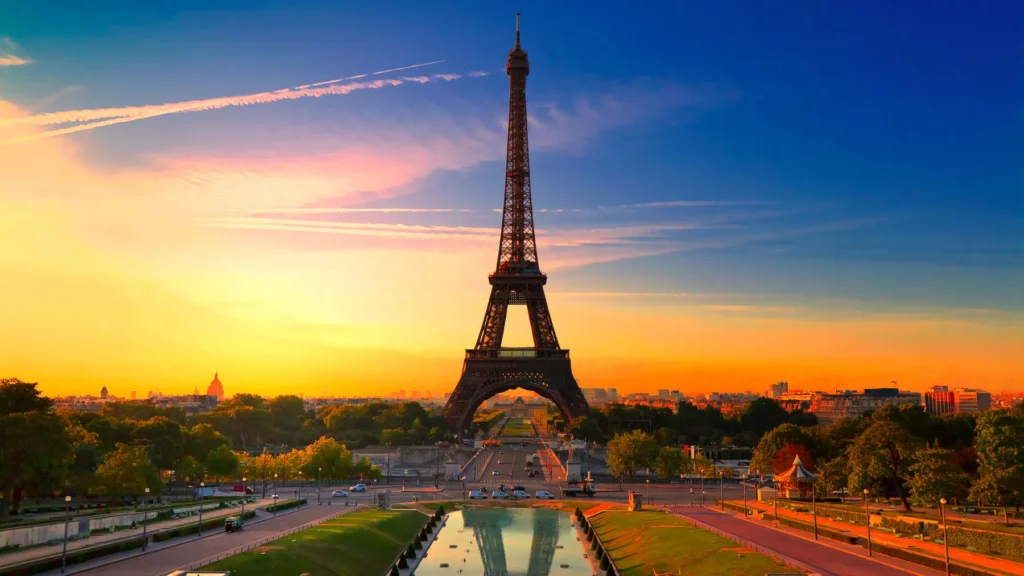
No travel guide to Paris would be complete without highlighting its legendary landmarks. The Eiffel Tower remains the city’s most recognizable symbol, drawing millions each year. For the best experience, visit at sunset when the tower begins to sparkle—on the hour, every hour after dark. Opt for a timed-entry ticket to skip the lines, or enjoy a picnic on the Champ de Mars for a more relaxed vibe. Nearby, the Trocadéro offers one of the most photographed views of the tower, especially stunning at night.
The Louvre Museum, home to the Mona Lisa and thousands of masterpieces, is another non-negotiable stop. To avoid crowds, arrive early or book a late-evening slot. Focus on specific wings—like the Denon wing for classical art or the Richelieu wing for Napoleon III’s opulent apartments. Don’t miss the glass pyramid entrance, a modern contrast to the historic palace. For a quieter alternative, the Musée d’Orsay, housed in a former railway station, showcases stunning Impressionist works by Monet, Van Gogh, and Degas.
Parisian Cuisine: A Food Lover’s Paradise
Paris isn’t just about sightseeing—it’s a gastronomic haven where every meal feels like a celebration. Start your day like a local with a café au lait and a freshly baked croissant or pain au chocolat from a neighborhood boulangerie. Look for the “boulangerie de référence” label, indicating high-quality, traditional baking. For lunch, dive into a classic croque-monsieur or a bowl of onion soup gratinée at a traditional bistro. Don’t shy away from trying escargot or duck confit—these French staples are prepared with finesse in even the most unassuming eateries.
Dinner in Paris is an experience in itself. Reserve a table at a Michelin-starred restaurant like Le Comptoir du Relais for refined bistro fare, or opt for a cozy wine bar serving natural wines and charcuterie. Street food also shines here: falafel in the Marais, crêpes from a stand near Notre-Dame, or a gourmet burger from a trendy pop-up. And no trip is complete without indulging in pastries—visit Pierre Hermé for innovative macarons or Ladurée for timeless elegance. Remember, mealtimes are sacred: lunch is typically 12–2 PM, dinner 7:30–10 PM.
Hidden Gems in Paris: Off-the-Beaten-Path Experiences
Beyond the well-trodden paths, Paris hides enchanting secrets waiting to be discovered. One such gem is the Jardin des Serres d’Auteuil, a lush botanical garden tucked in the 16th arrondissement. With its stunning glasshouses, exotic plants, and peaceful ponds, it’s a serene escape from the city’s hustle. Another lesser-known treasure is the Passage des Panoramas, Paris’s oldest covered passage. Lined with vintage stamp shops, cozy restaurants, and retro signage, it offers a glimpse into 19th-century Parisian life.
For art lovers, the Musée de la Chasse et de la Nature (Museum of Hunting and Nature) in the Marais blends natural history, art, and taxidermy in a whimsical, thought-provoking space. Meanwhile, the Parc des Buttes-Chaumont in the 19th arrondissement feels like a hidden oasis. With its dramatic cliffs, waterfalls, and a temple perched on a rocky island, it’s perfect for a quiet picnic or a scenic walk. These spots offer authentic Parisian charm without the tourist crowds.
Don’t overlook the city’s literary and artistic corners. The Shakespeare and Company bookstore, though popular, retains its bohemian spirit with cozy reading nooks and a resident cat. For something truly unique, visit the Catacombs of Paris at night—special evening tours offer a hauntingly beautiful experience through the underground ossuaries. And if you’re seeking tranquility, the Square René Le Gall in the 4th arrondissement is a tiny, ivy-covered park with a bamboo grove and a hidden tea house—ideal for a moment of reflection.
Neighborhood Guide: Where to Stay & Explore in Paris
Choosing the right neighborhood can transform your Parisian experience. The Marais (3rd and 4th arrondissements) is a vibrant mix of history, culture, and trendy boutiques. Home to the Picasso Museum, Place des Vosges, and a thriving LGBTQ+ scene, it’s perfect for walkers and foodies. The narrow streets are lined with falafel shops, vintage stores, and art galleries, making it ideal for both day and night exploration.
For a more romantic vibe, Saint-Germain-des-Prés in the 6th arrondissement offers classic Parisian charm. Think sidewalk cafés, historic bookshops, and the iconic Café de Flore. It’s close to the Luxembourg Gardens and the Seine, making it a great base for leisurely strolls. Meanwhile, Montmartre in the 18th arrondissement captures the city’s artistic soul. Climb the steps to the Sacré-Cœur Basilica for panoramic views, then wander the cobbled streets past street artists and hidden vineyards.
If you prefer a quieter, residential feel, consider Le Marais’s eastern edge or the Canal Saint-Martin area in the 10th arrondissement. This up-and-coming neighborhood blends hip cafés, independent designers, and a laid-back vibe. Rent a bike and cruise along the canal, or enjoy brunch at a riverside terrace. Each district offers a unique slice of Parisian life—choose based on your travel style and interests.
Practical Tips for Your Ultimate Travel Guide to Paris
To make the most of your trip, planning is key. Start by purchasing a Paris Museum Pass, which grants access to over 50 attractions, including the Louvre, Orsay, and Versailles, while skipping long lines. It’s available for 2, 4, or 6 days and can save both time and money. For transportation, the Navigo Découverte pass offers unlimited metro, bus, and RER travel within zones 1–5 for a week—ideal for day trips to Versailles or Disneyland Paris.
Language-wise, while many Parisians speak English, learning a few basic French phrases goes a long way. A simple “Bonjour” when entering a shop or “Merci” when leaving shows respect and often earns a warmer response. Tipping is not mandatory—service charges are included—but rounding up the bill or leaving small change is appreciated. Also, be mindful of pickpockets in tourist-heavy areas like the Eiffel Tower and metro stations; keep your belongings secure and avoid flashing valuables.
Timing your visits can dramatically enhance your experience. Many museums are free on the first Sunday of the month (October to March), and some attractions offer late-night openings with fewer crowds. For example, the Musée d’Orsay stays open until 9:45 PM on Thursdays. Additionally, consider visiting in shoulder seasons—April to June or September to October—when the weather is pleasant and tourist numbers are lower. Avoid August if possible, as many locals vacation and some shops close.
Key Takeaways
- Must-see attractions include the Eiffel Tower, Louvre, and Musée d’Orsay—book timed tickets in advance.
- Authentic food experiences range from boulangeries and bistros to wine bars and gourmet patisseries.
- Hidden gems like Jardin des Serres d’Auteuil, Passage des Panoramas, and Parc des Buttes-Chaumont offer unique, crowd-free experiences.
- Best neighborhoods to stay include the Marais, Saint-Germain-des-Prés, and Canal Saint-Martin, each with distinct character.
- Practical tips: Use the Paris Museum Pass and Navigo card, learn basic French, and visit during shoulder seasons for fewer crowds.
Conclusion
Paris is more than a destination—it’s a feeling, a rhythm, a way of life. This ultimate travel guide to Paris equips you with the knowledge to explore its iconic landmarks, savor its culinary delights, and uncover its best-kept secrets. Whether you’re marveling at the Seine at dusk, discovering a hidden garden, or sharing a bottle of wine at a neighborhood bistro, every moment in Paris is an invitation to slow down and savor. With thoughtful planning and a sense of curiosity, your trip can be as magical as the city itself. So pack your walking shoes, bring an appetite for adventure, and let Paris reveal its wonders—one unforgettable experience at a time.
FAQs
What is the best time of year to visit Paris?
The ideal times to visit Paris are during the shoulder seasons—April to June and September to October. The weather is mild, the city is less crowded, and many outdoor attractions are at their most beautiful. Avoid August if possible, as many locals take vacation and some businesses close.
Do I need to speak French to get around Paris?
While many Parisians speak English, especially in tourist areas, learning a few basic French phrases like “Bonjour,” “Merci,” and “Parlez-vous anglais?” is highly recommended. It shows respect and often leads to more friendly interactions. Most signs and menus are in French, so a translation app can also be helpful.
Is Paris safe for tourists?
Paris is generally safe for tourists, but like any major city, it’s important to stay aware of your surroundings. Pickpocketing is common in crowded areas like the metro, tourist sites, and busy markets. Keep your belongings secure, avoid displaying valuables, and use hotel safes for passports and extra cash.